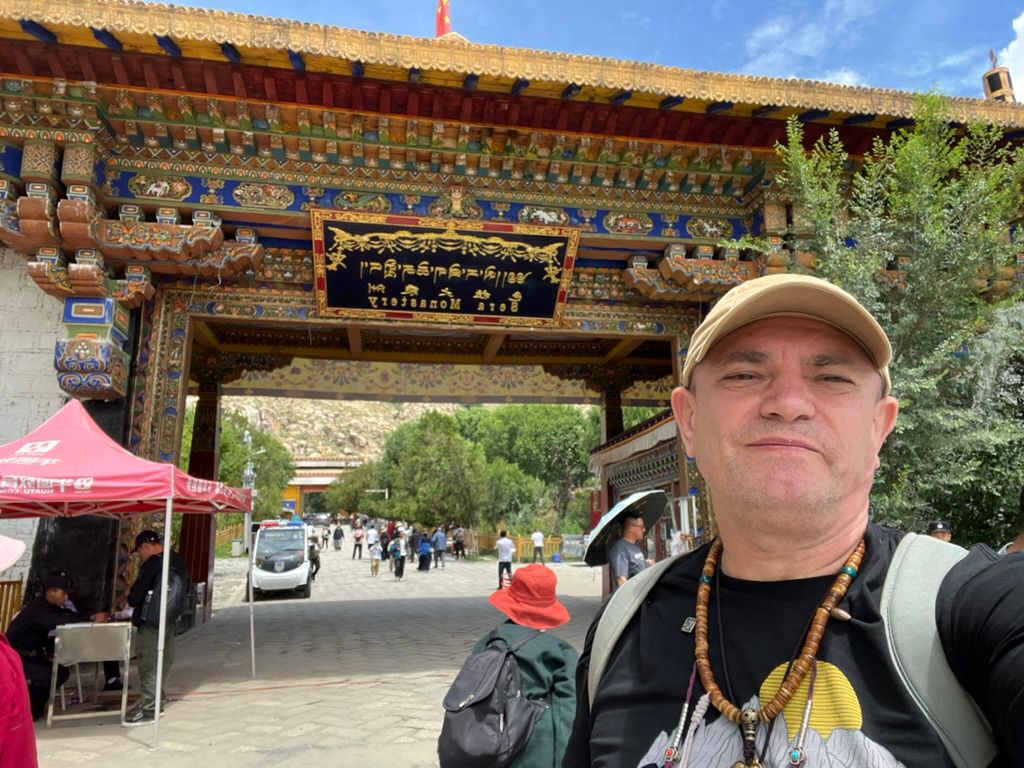
Sera Monastery

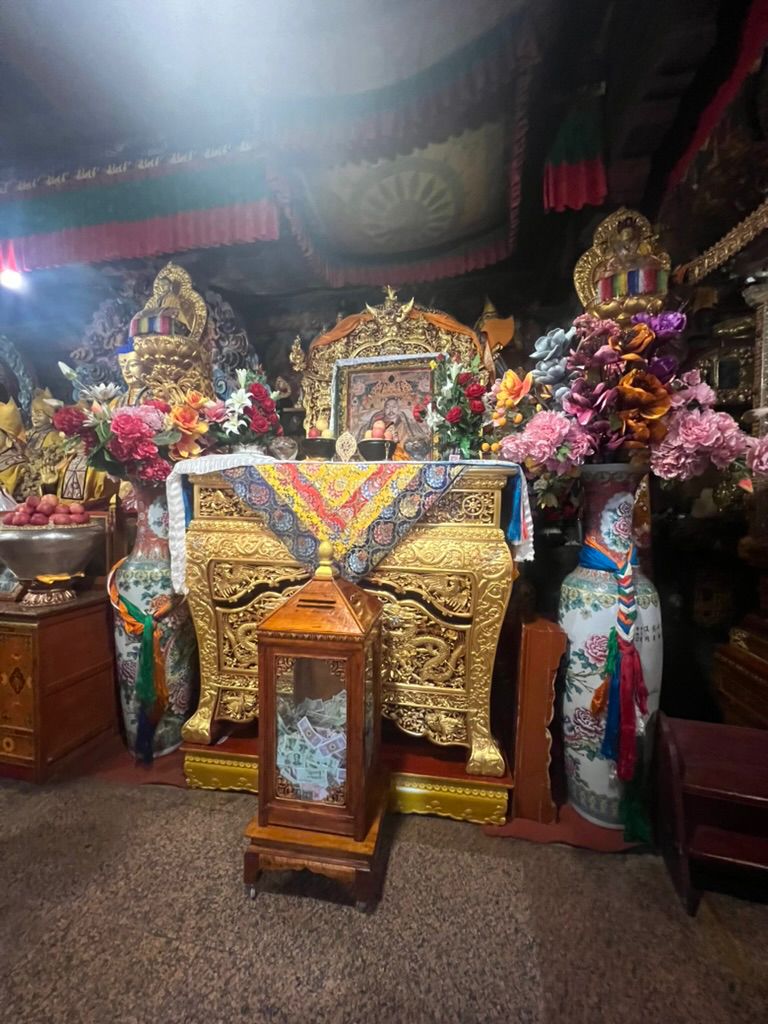
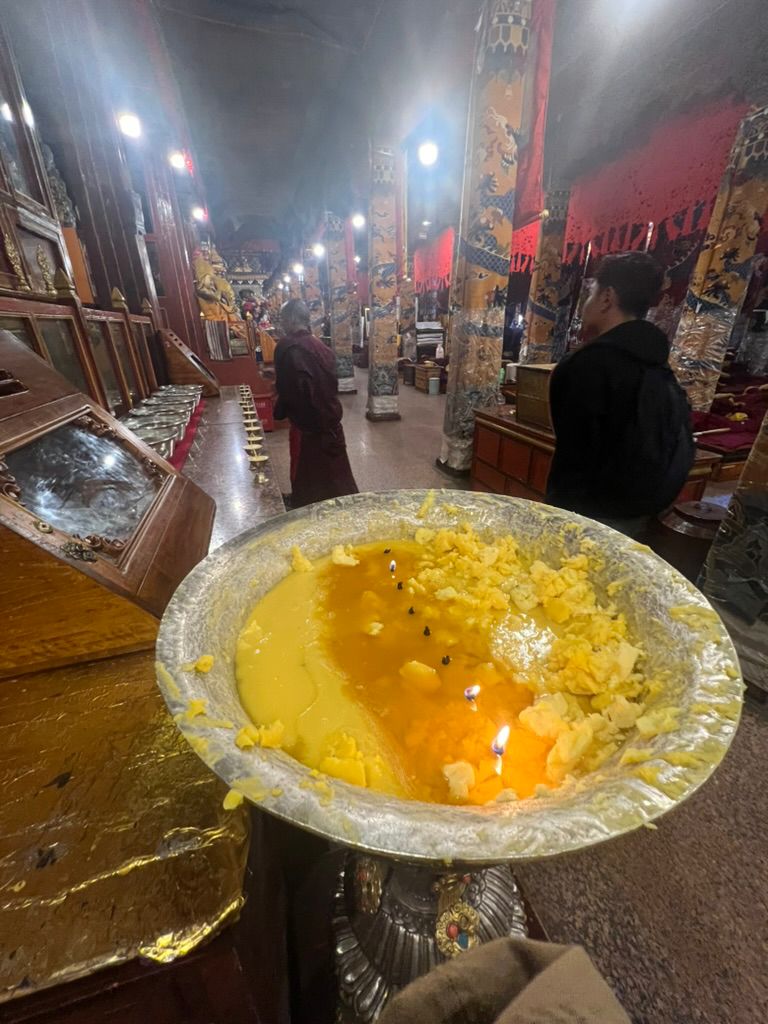
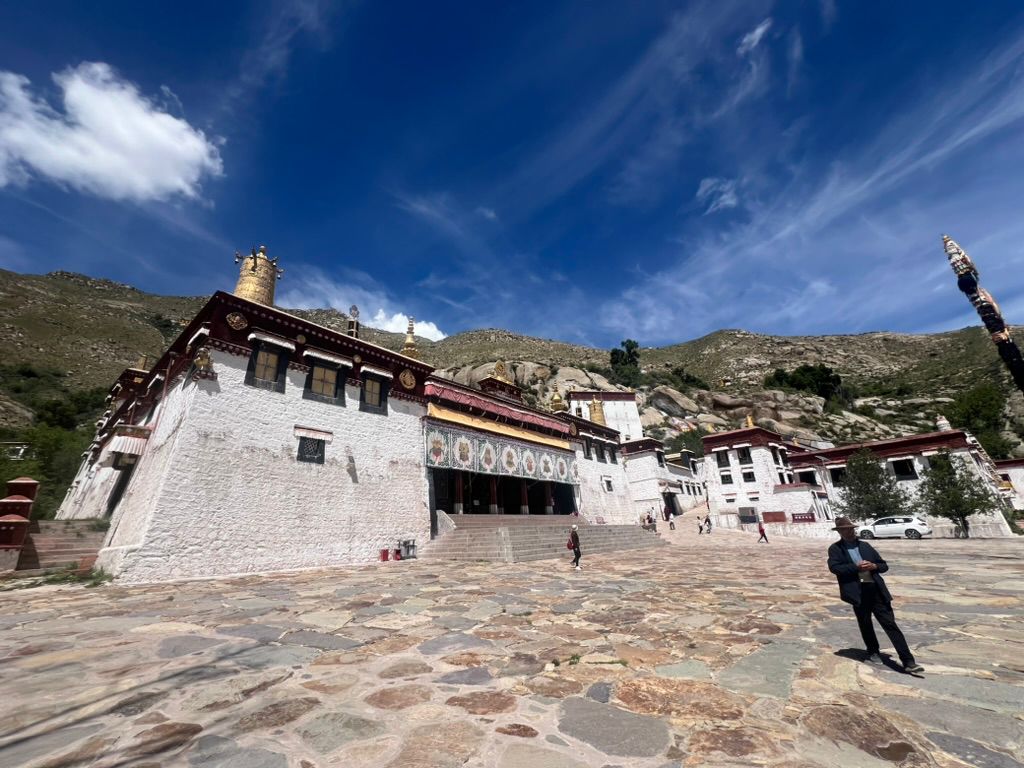
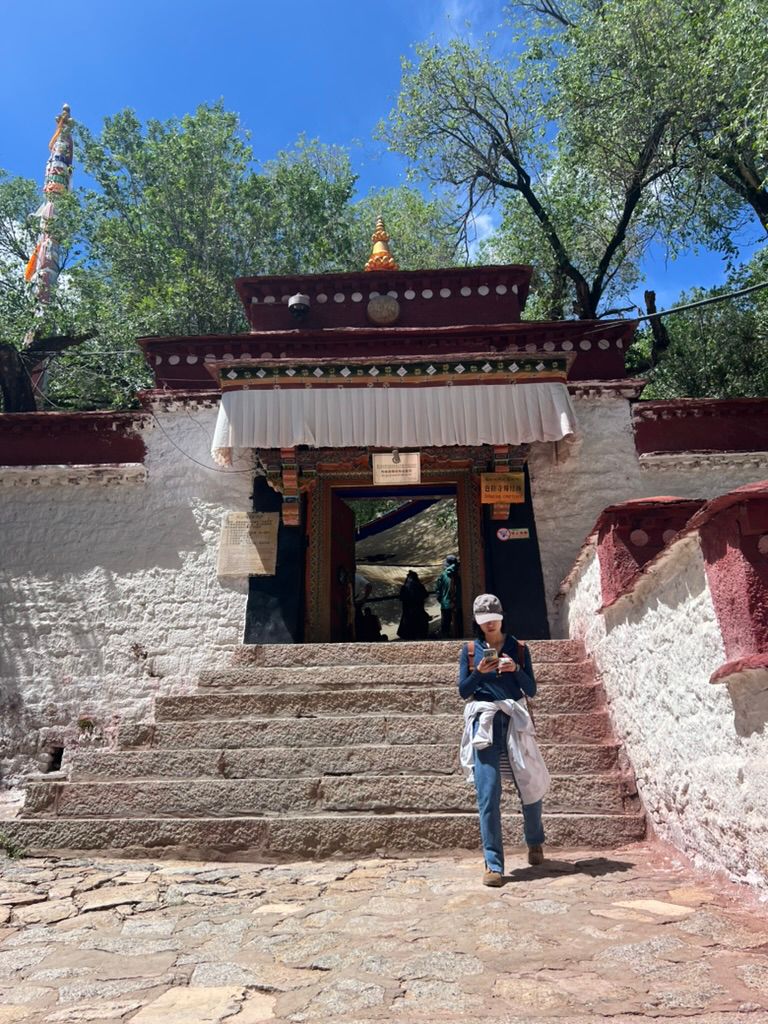
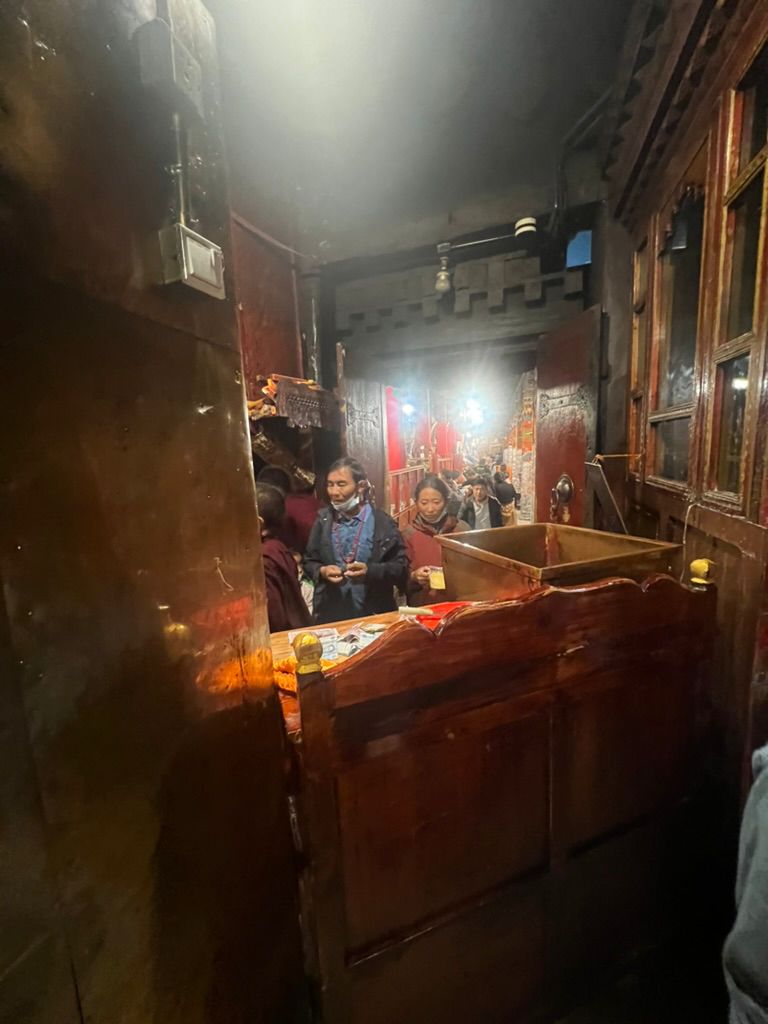
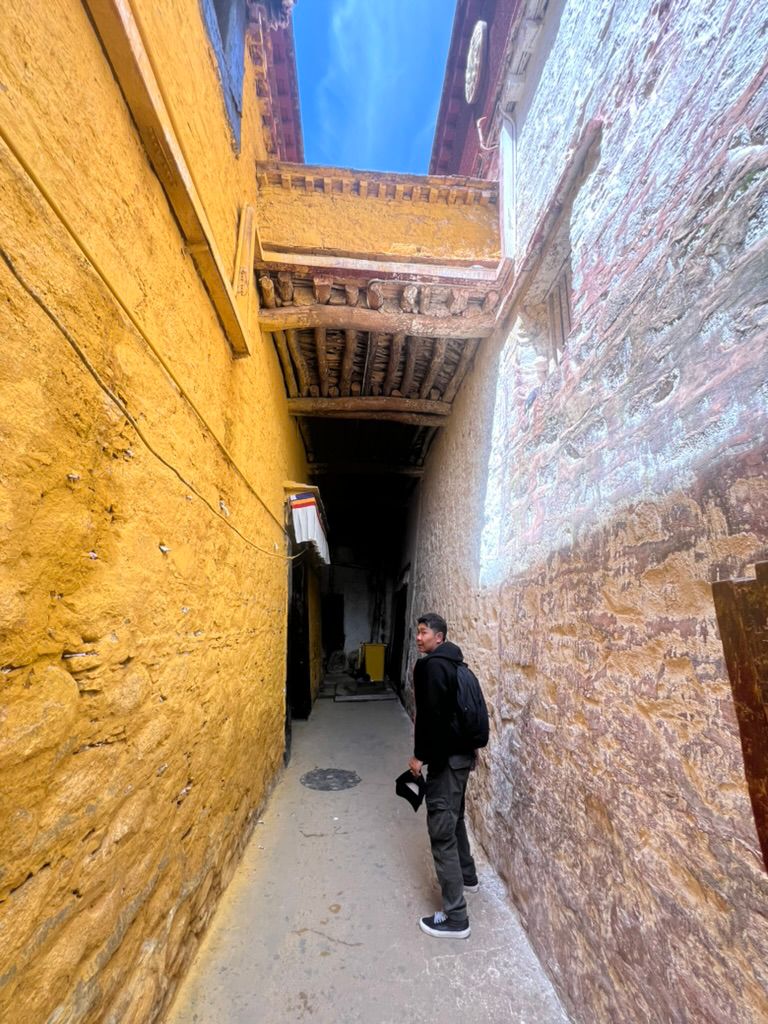
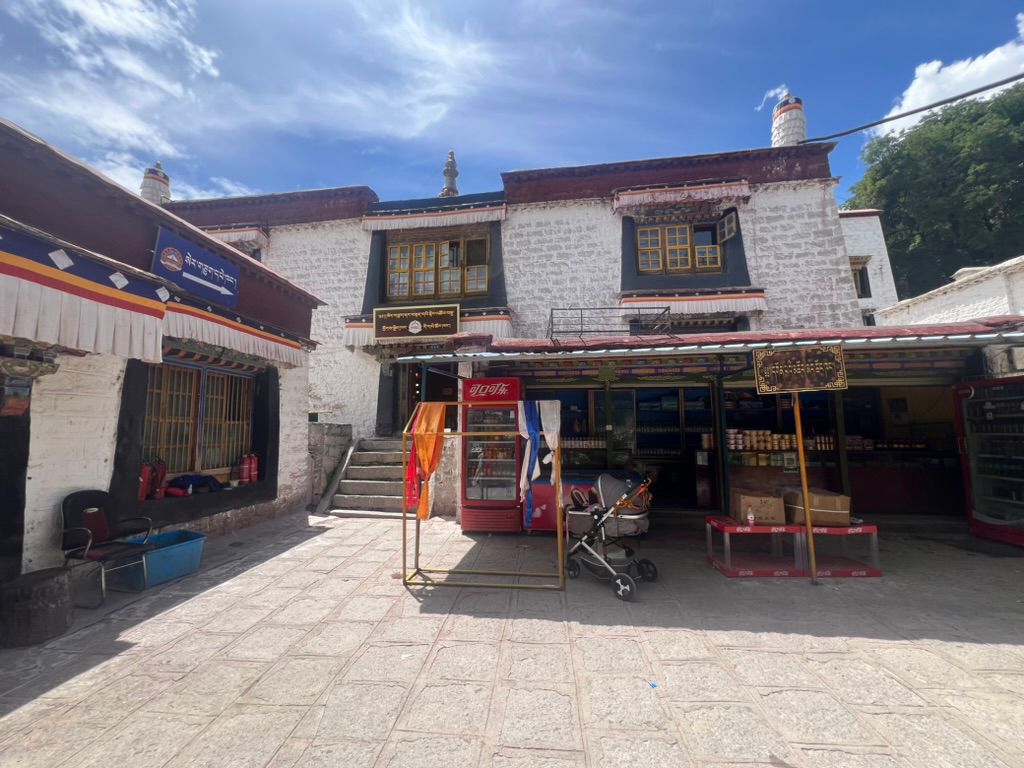
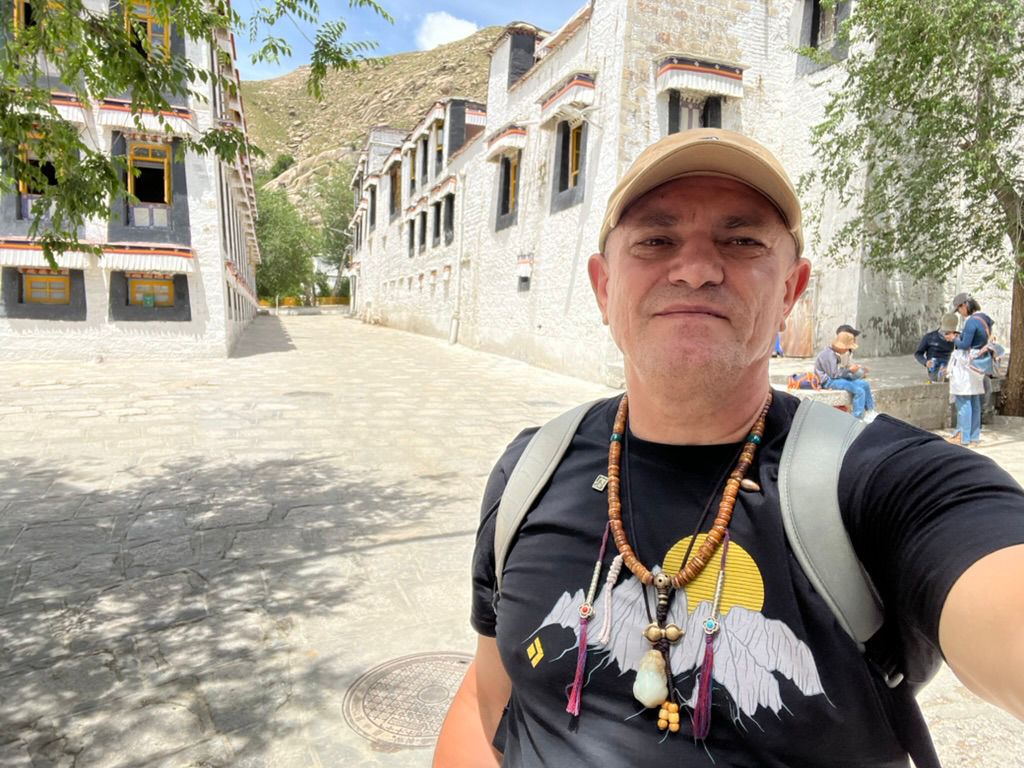
Located around five kilometers to the north of the Ramoche Temple and Potala Palace in Lhasa, on the outskirts of the city, Sera Monastery lies at the foot of the Serawoze Mountain, at an altitude of around 3,700 meters. Built in 1419, the monastery was the third of the Great Three university monasteries of the Gelug tradition to be built in Lhasa, the first two being Ganden and Drepung Monasteries.

Built in the same year that the founder of the Gelug tradition, Je Tsongkhapa, died, the monastery has been one of the most important teaching monasteries in Tibet for more than 600 years. 

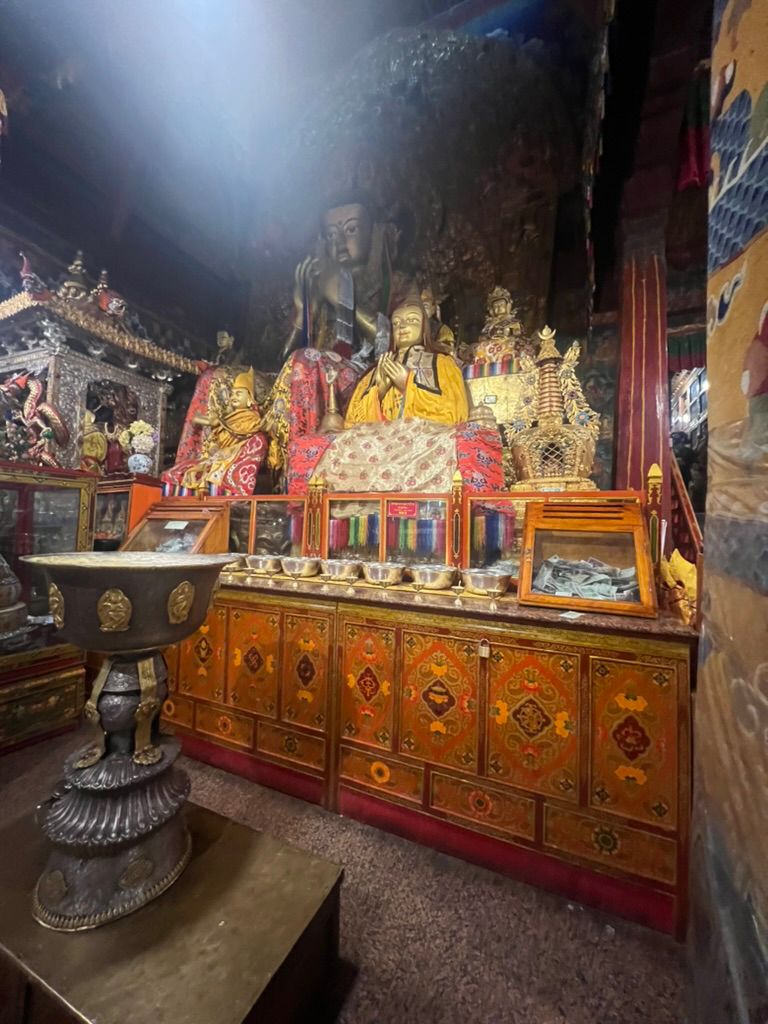
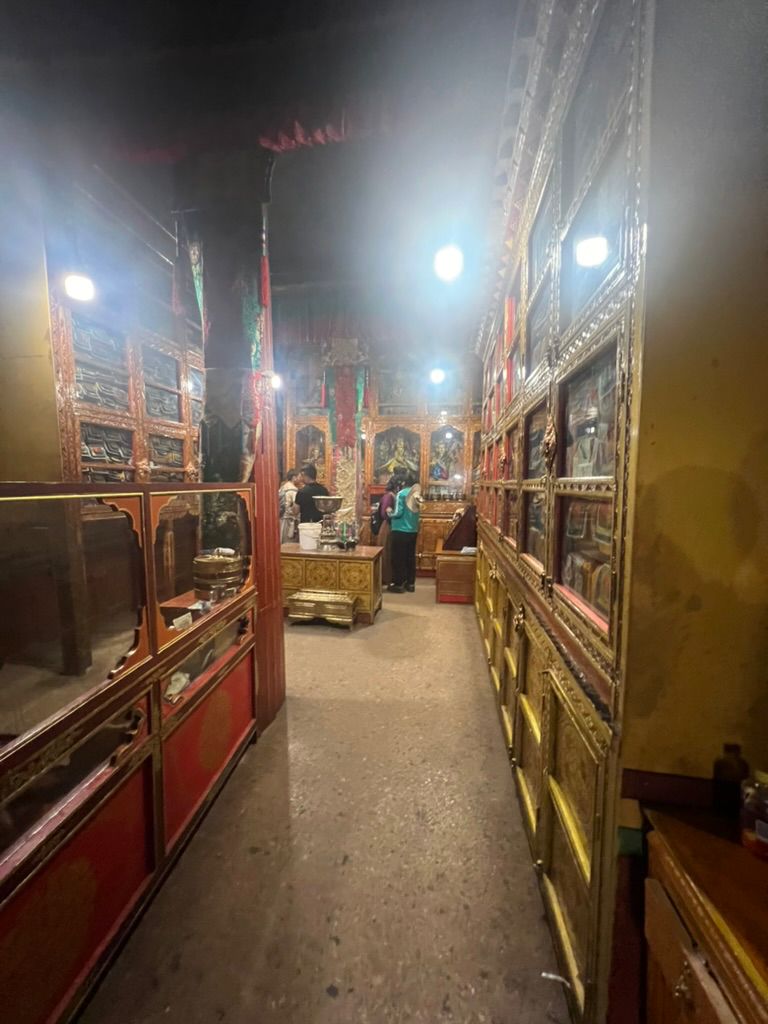
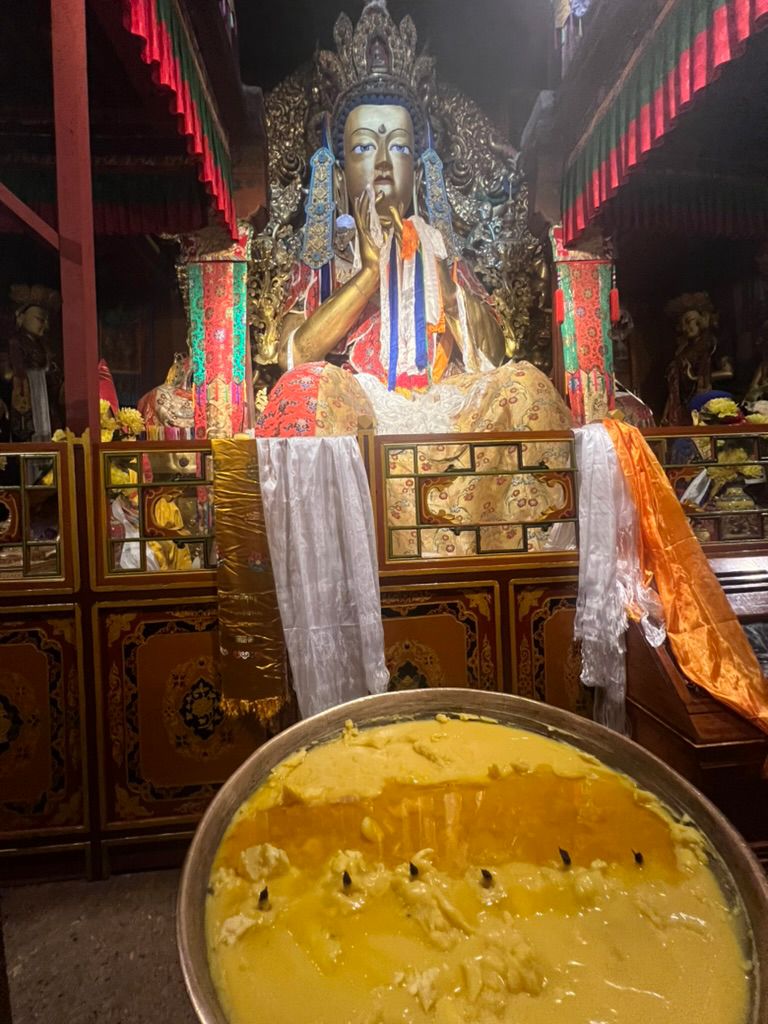
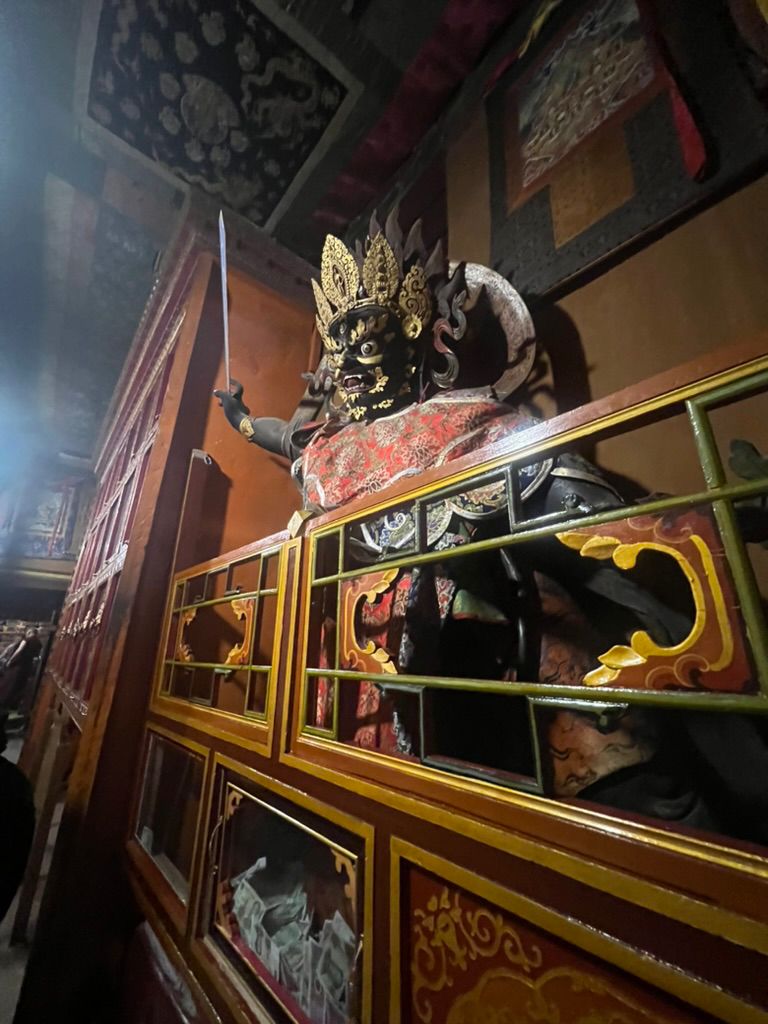
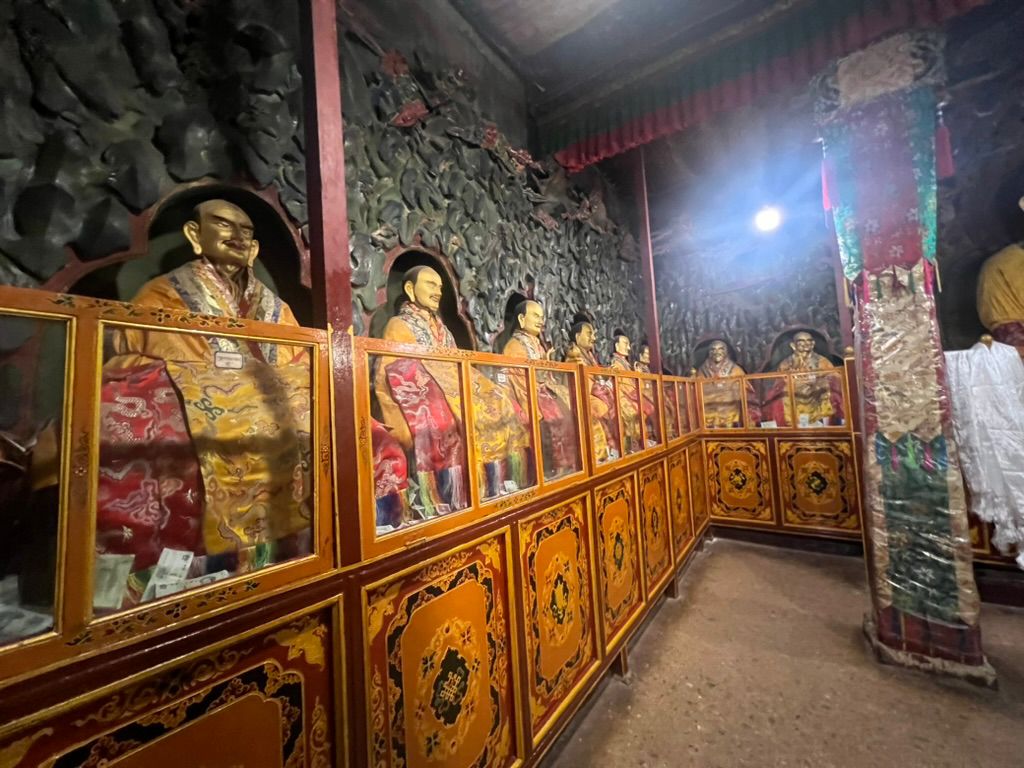
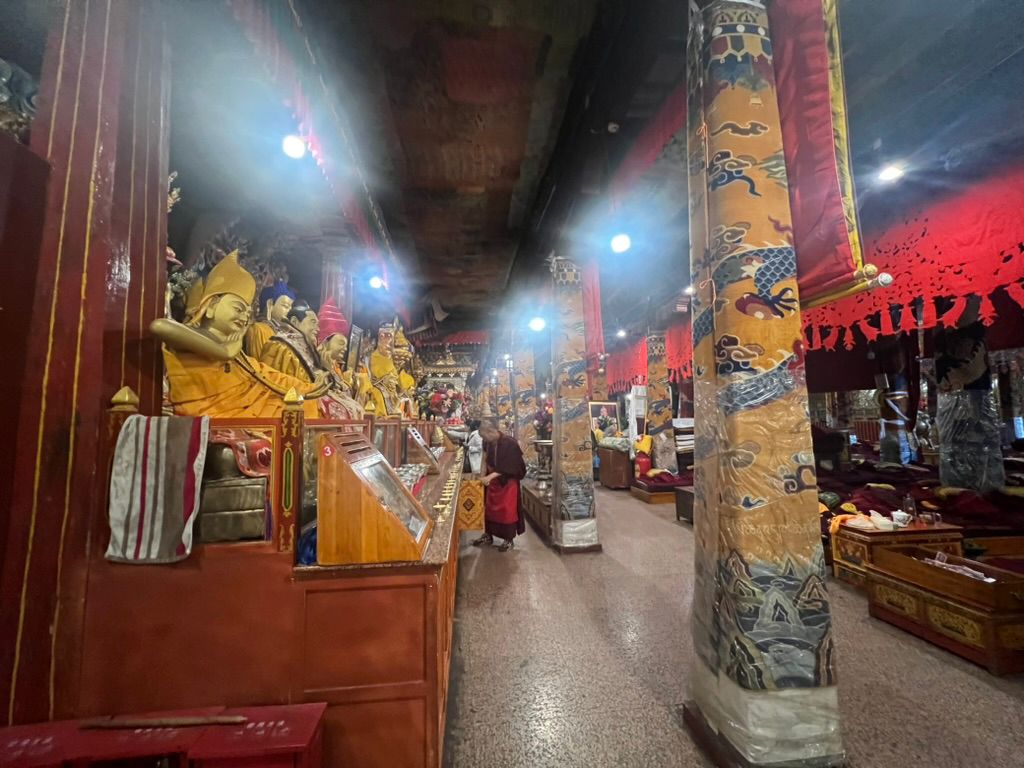
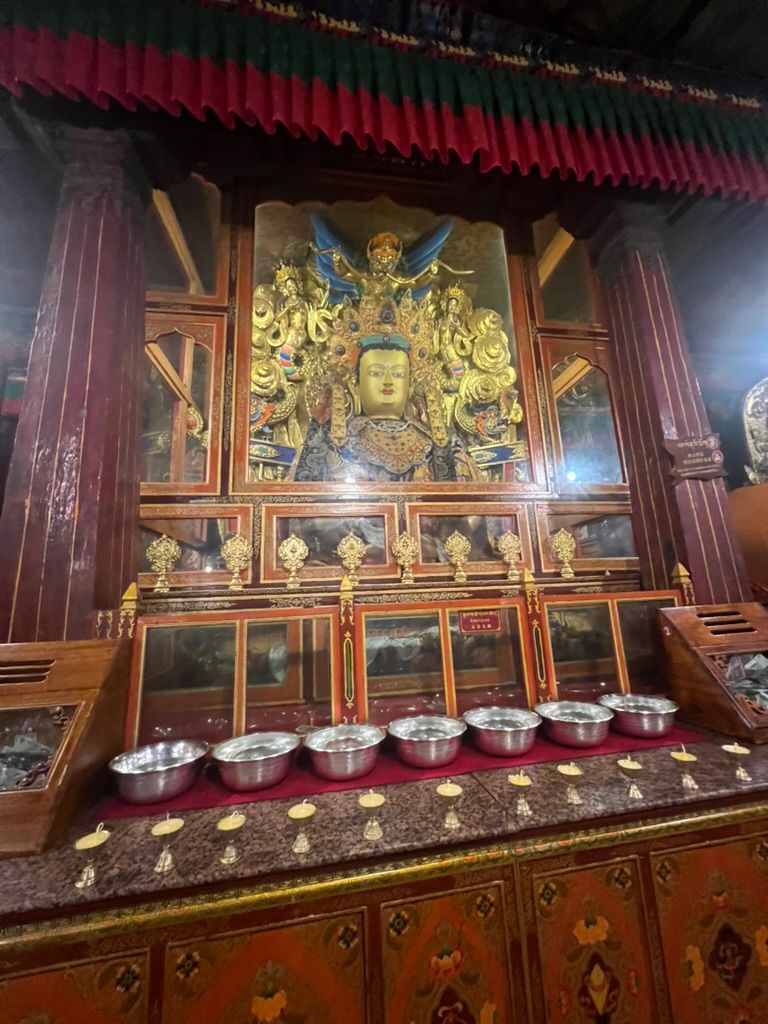
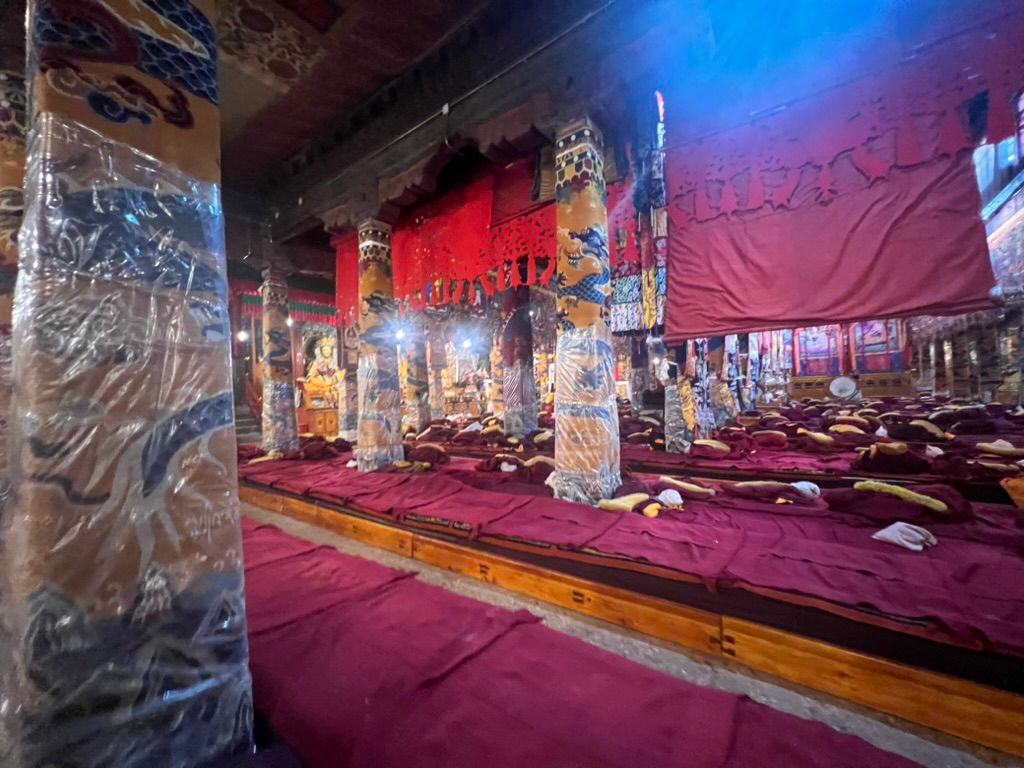
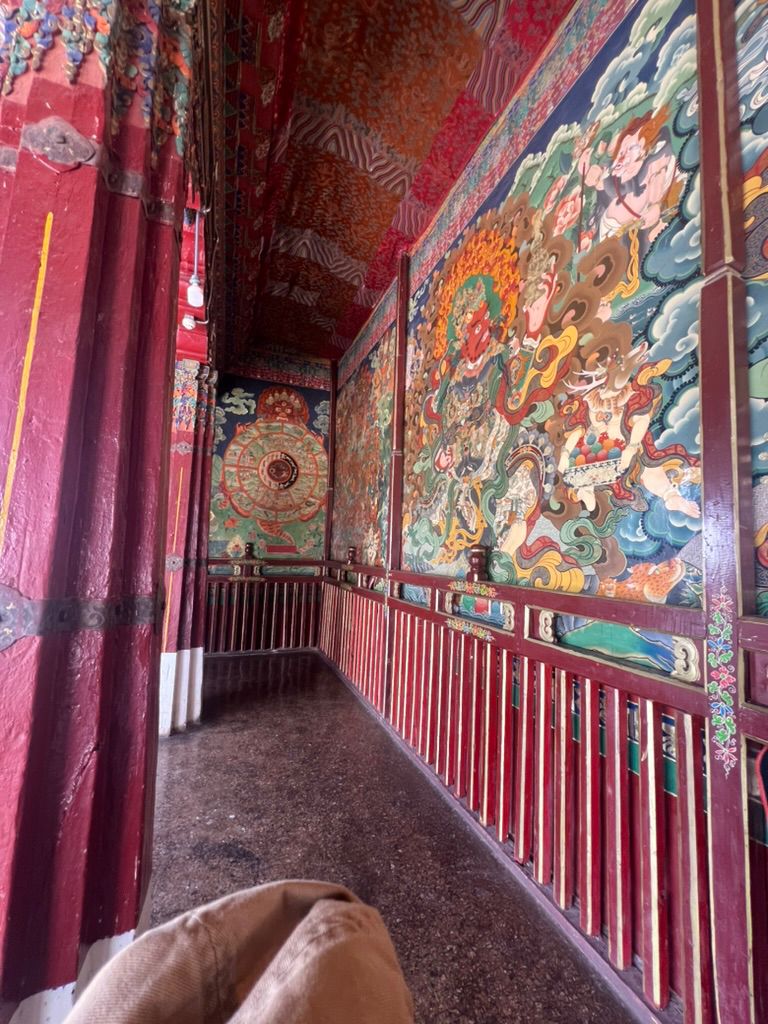
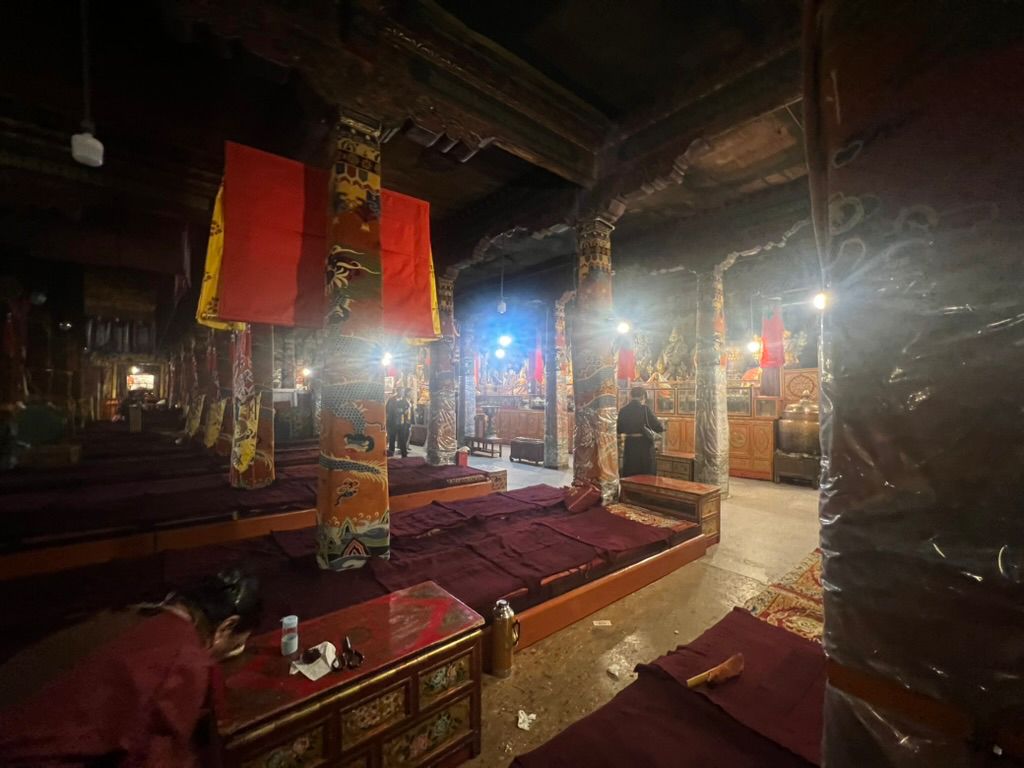
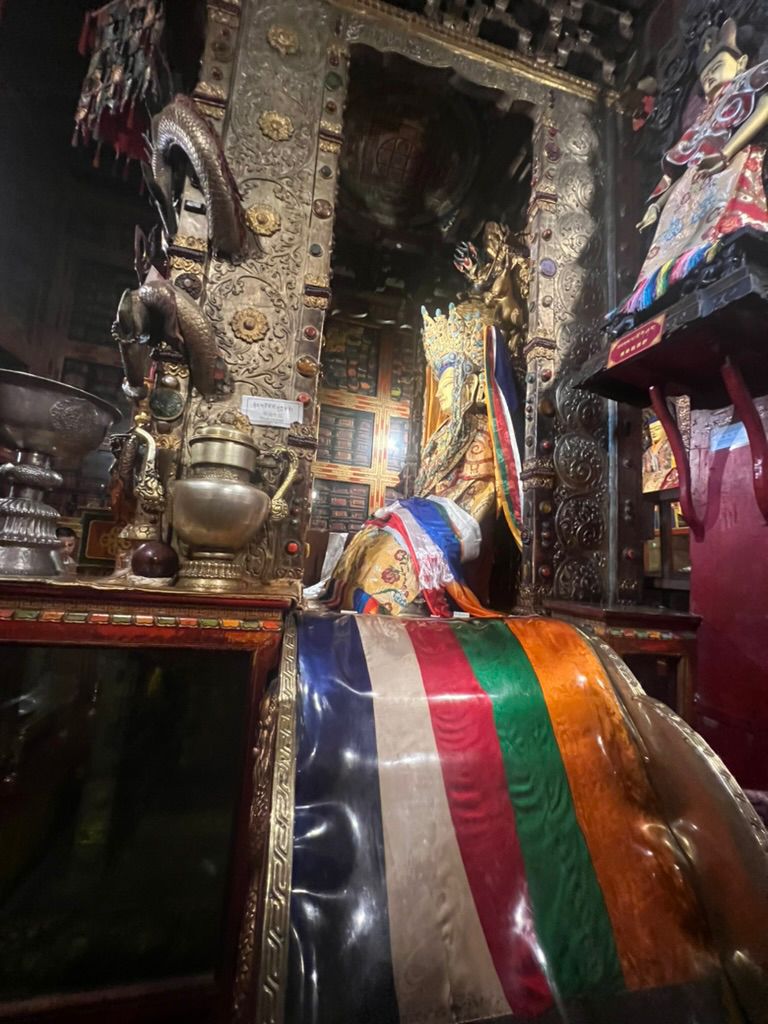
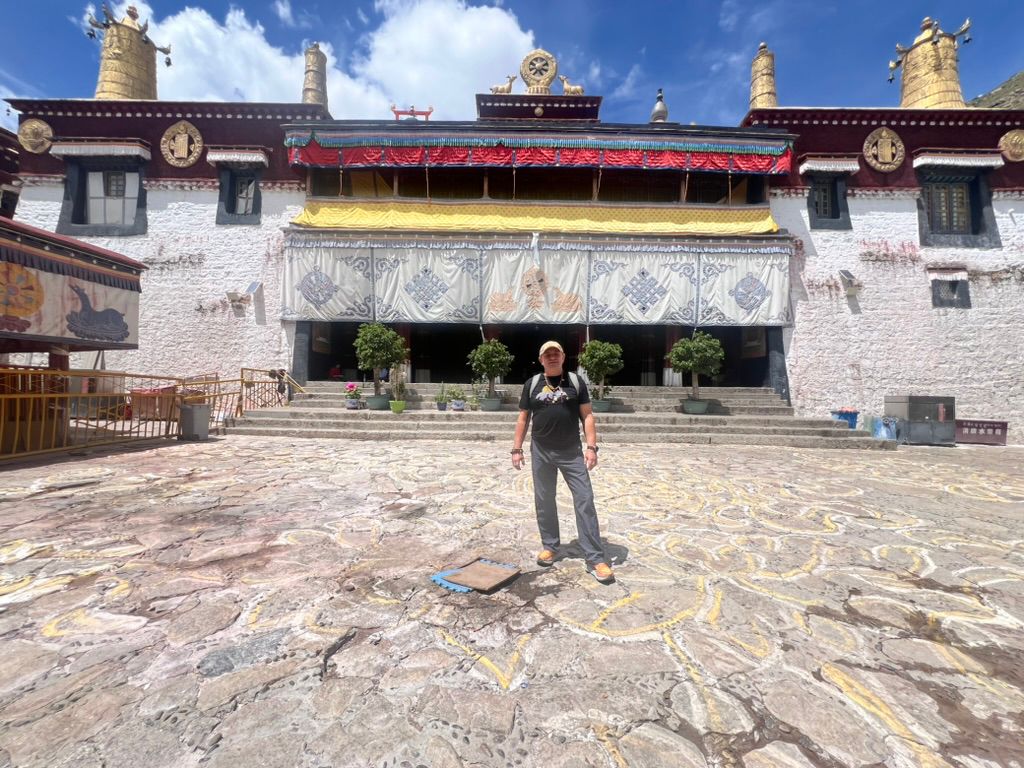
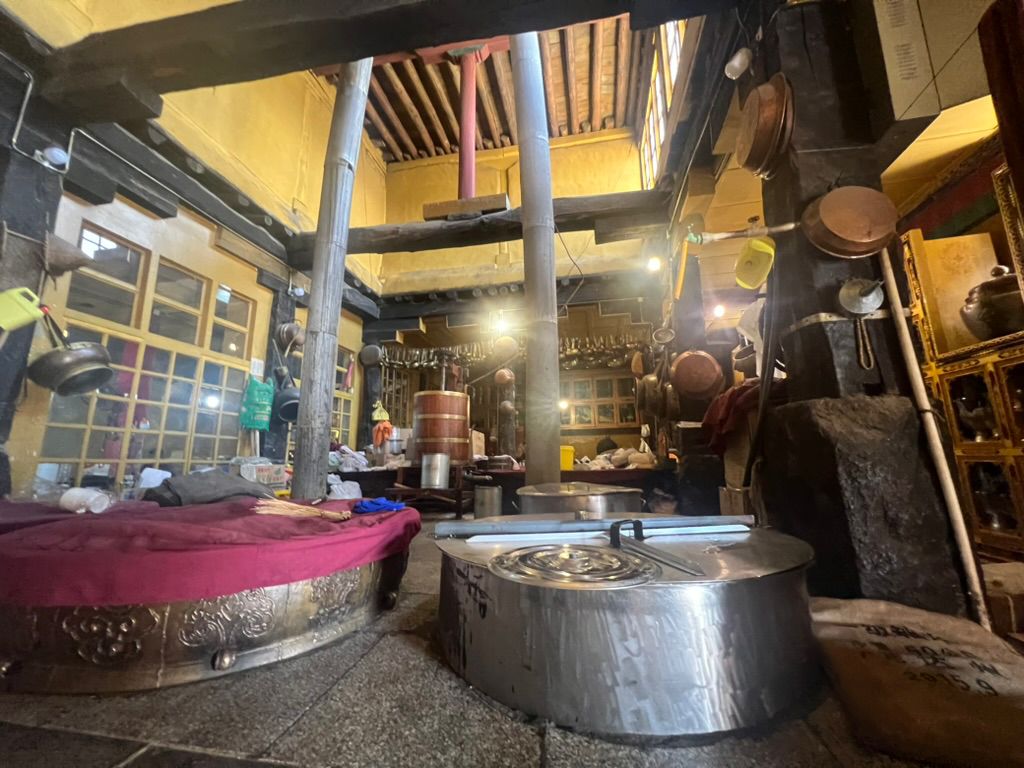
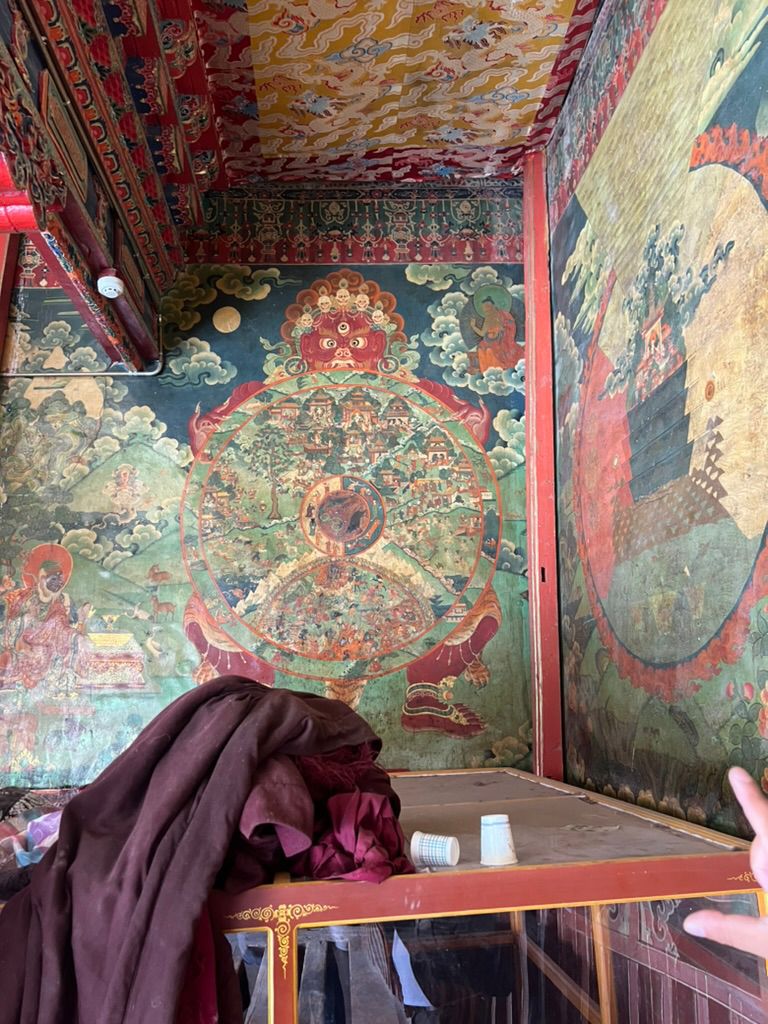
The main part of the monastery consists of the Great Assembly Hall, the largest building in the complex. Built in 1710, the structure contains 125 stone pillars and the entrance is lined with ten large columns. Composed of the Hall Square, the famous Sutra Hall, and five of the many Lhakhangs of the monastery, the hall is noted for its huge statue of the Jampa Buddha and the massive wall-length thangka that adorns the interior.

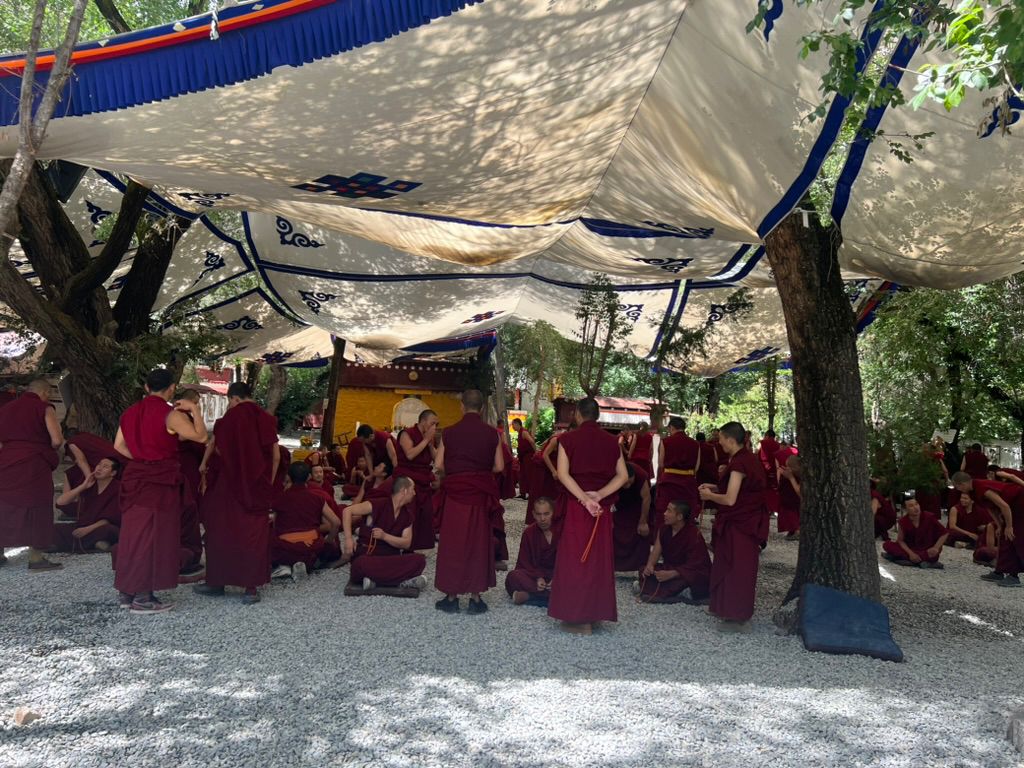
The debating courtyard, behind the Sera je College, is a cobblestone area where the monks of the colleges hold their daily debating lessons. Monastic debates are one of the many ways of teaching and learning the philosophy and theology of Tibetan Buddhism, and are an exciting and enthralling event to watch. Done in pairs, the debates are extravagant and dramatic, with a lot of foot stamping and hand clapping, as well as loud shouts and exclamations.

Monk Debates

The major highlight of the monastery are the debates held in the Debating Courtyard every day except for Sunday. Monastic debates are a form of discussion and learning that originated in India, where the opposing sides debate the philosophy of Tibetan Buddhism. As one of the most popular features of the Sera Monastery, it is often viewed by many tourists, and is one of the most extravagant and expressive forms of debate in the world.

This expressive and expansive form of debating is exclusive to Sera Monastery, and the debating monks use various gestures, such as stamping and hand clapping, to increase the intensity of their position on the debate. In the debate, the questioner has to put forward his point of view on the topics given, and the defender, who is sitting, can answer only yes, no, or unknown, and must respond within a given time. The questioner must try to persuade the other monk that his point of view is overpoweringly correct, and if the point is proven, the defender must accept it and give way.

These enthusiastic debates form a major lesson in learning the philosophy and spirituality of Tibetan Buddhism, and can sometimes be a source of great interest for the high lamas, when a debater comes up with a point of view that is new, yet essentially correct.

further pilgrimages

Big Buddha, Hong Kong

Big Buddha, Hong Kong

The Big Buddha, also known as Tian Tan Buddha, is famed as the most iconic attraction of Lantau. Sitting next to the Po Lin Monastery, it is only a 10-minute walk away from Ngong Ping Village. The majestic outdoor bronze Buddha statue sits solemnly atop the peak of Mount Muk Yue...

read more
Fukakusa, Kyoto, Japan

Fukakusa area, Kyoto, Japan

Fukakusa area in Kyoto has ties to Buddhism. Specifically, Kosho-ji Temple, a Soto Zen Buddhist temple, was founded in Fukakusa during the Kamakura Period. It was later reconstructed in 1648. Additionally, Fushimi Inari Taisha, a prominent Shinto shrine, is located in the Fushimi area, ...

read more
Enryakuji Temple (Hieizan), Kyoto, Japan

Enryakuji Temple (Hieizan), Kyoto, Japan

Located in Kyoto's eastern mountain range on Mount Hieizan (比叡山), Enryakuji (延暦寺) is one of the most important monasteries in Japanese history and the headquarters of the Tendai sect of Japanese Buddhism. Many influential monks studied at Enryakuji, ...

read more
Todaiji Temple, Nara, Japan

Todaiji Temple, Nara, Japan

Todaiji (東大寺, Tōdaiji, "Great Eastern Temple") is one of Japan's most famous and historically significant temples and a landmark of Nara. The temple was constructed in 752 as the head temple of all provincial Buddhist temples of Japan and grew so powerful ...

read more
Tiger’s Nest, Taksang Monastery, Paro, Bhutan

Tiger’s Nest, Taksang Monastery, Paro, Bhutan

Taktsang Monastery, famously known as Tiger’s Nest in Bhutan or Paro Taktsang , is located in Paro district. The monastery is one of the most venerated places of pilgrimage in the Himalayan. Taktsang clings to the rock towering 800m ...
read more
Angkor Wat, Cambodia

Angkor Wat, Cambodia

Angkor Wat, located in Cambodia, is a temple complex and one of the largest religious monuments in the world. Originally built as a Hindu temple dedicated to the god Vishnu in the 12th century, it later transformed into a Buddhist site...

read more
Borobudur

Borobudur

I decided to continue last year's pilgrimage series and now I set out to visit Borobudur on the island of Java in Indonesia. In the summer of 2024, I spent a month in Tibet and did 7 aras, walking 400 km around the most sacred mountain of 4 religions, Kailash, at an altitude of between 4,700 and 5,700 m above sea level...

read more
Boudhanath Stupa, Kathmandu

Boudhanath Stupa, Kathmandu

Boudha Stupa or Jarung Kashor, is a stupa and major spiritual landmark seen as the embodiment of the enlightened mind of all the Buddhas, located in Boudhanath, within the city of Kathmandu, Nepal. Built in the northeast of Kathmandu Valley, the stupa gave birth to the origins of Tibetan Buddhism...

read more
Mit adtak nekem 2024 év zarándoklatai?

What did the pilgrimages of 2024 give me?

I would like to state first that I am not religious. And for the second time, that Buddhism is not a religion, at least not for me. Buddhism is nothing but a Path, the Path of my spiritual development, I am only a student on it, a tiny speck of dust, I try to learn as much as possible, ...

read more
Shravasti

Shravasti

Shravasti is where Buddha spent most of his life after his enlightenment. He became enlightened in Bodh Gaya at the age of 35 and died at about 84 in Kushinagar. There are several old memorial sites in Shravasti that are connected to the life of Buddha, but the park that was once his own property...
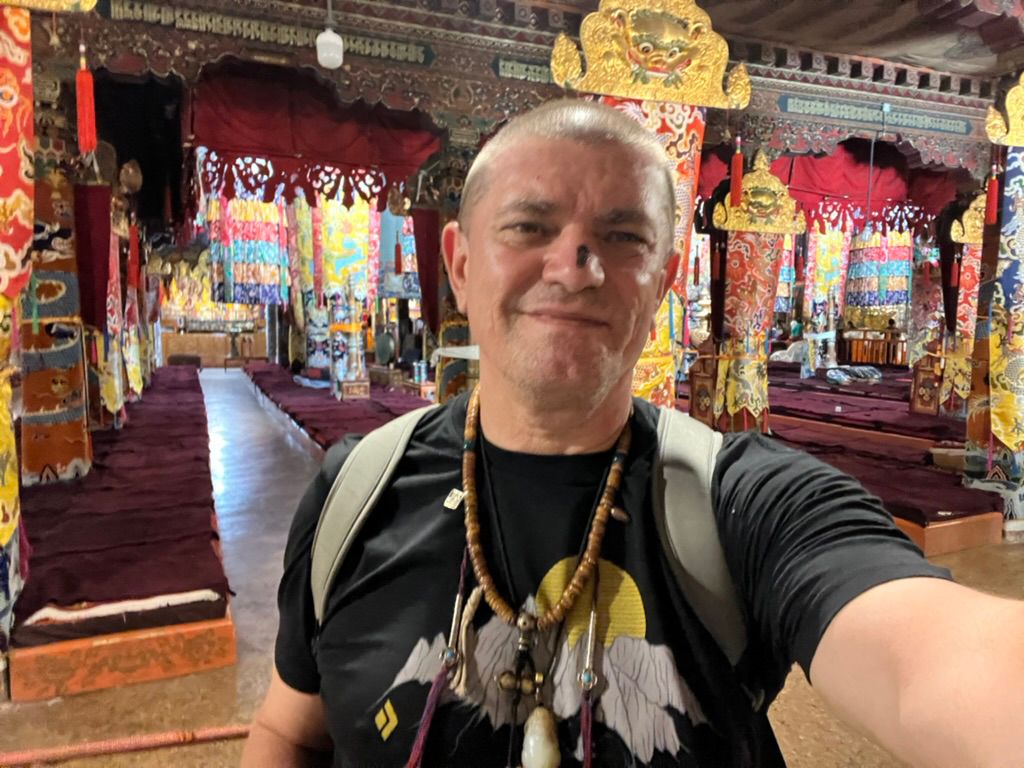
read more

How Can You Make a Donation?

H.E JIGTHUB RINPOCHE MAHAYANA BUDDHIST CHURCH

Nyílvántartási szám:
01-09-0000117
Székhely:
3067 Garáb, Petőfi út 41.
Adószám:
19139805-1-12
Technikai adószám (adó 1%):
2563
Unicredit Bank:
10918001-00000106-34620002 HUF
Képviselő:
Juhász György
Vallási vezető:
Őeminenciája Trulku Jigthub Rinpoche
www.mahayanaegyhaz.hu

H.E JIGTHUB RINPOCHE MAHAYANA BUDDHIST CHURCH

© 2025

Contact Us