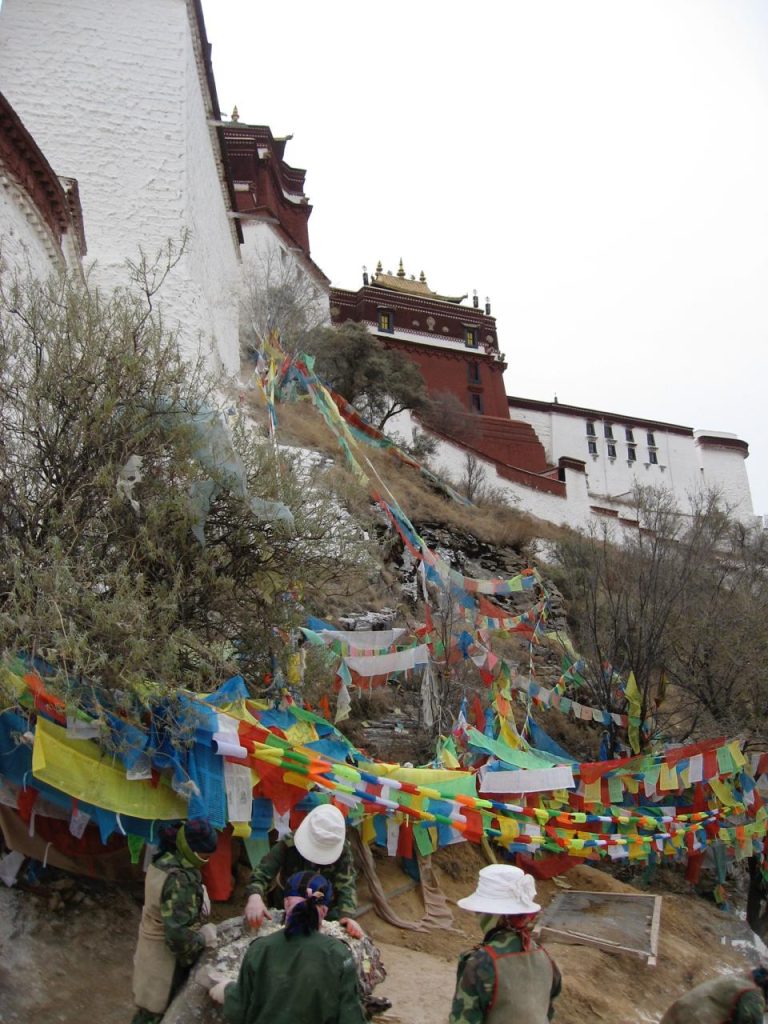
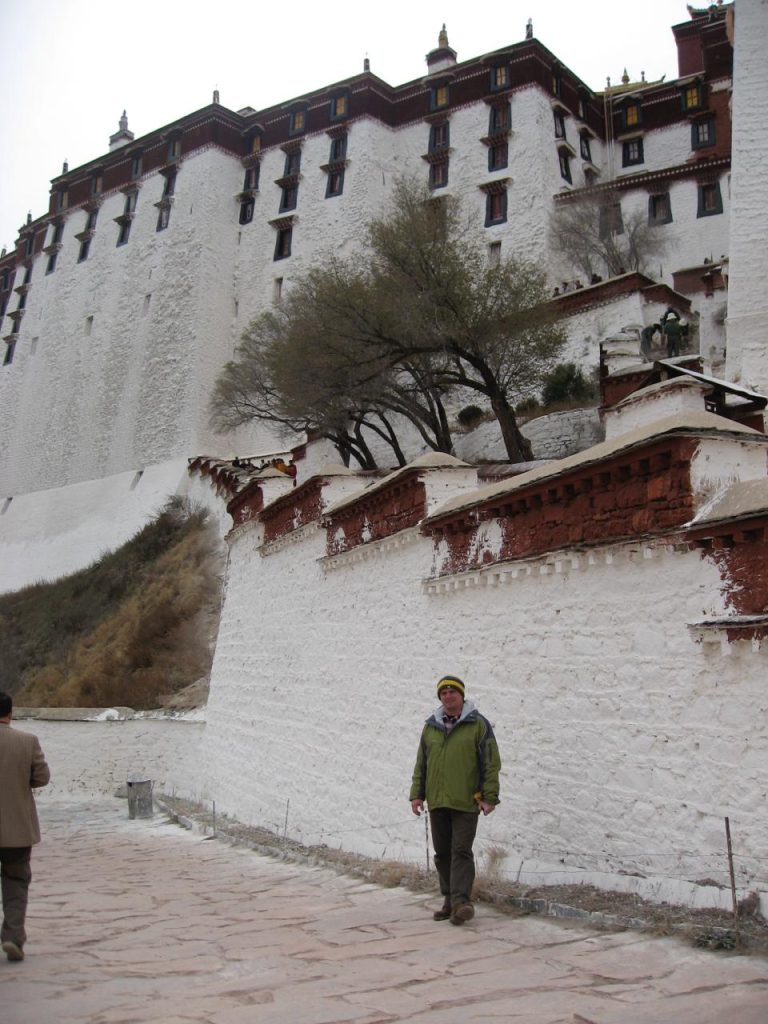
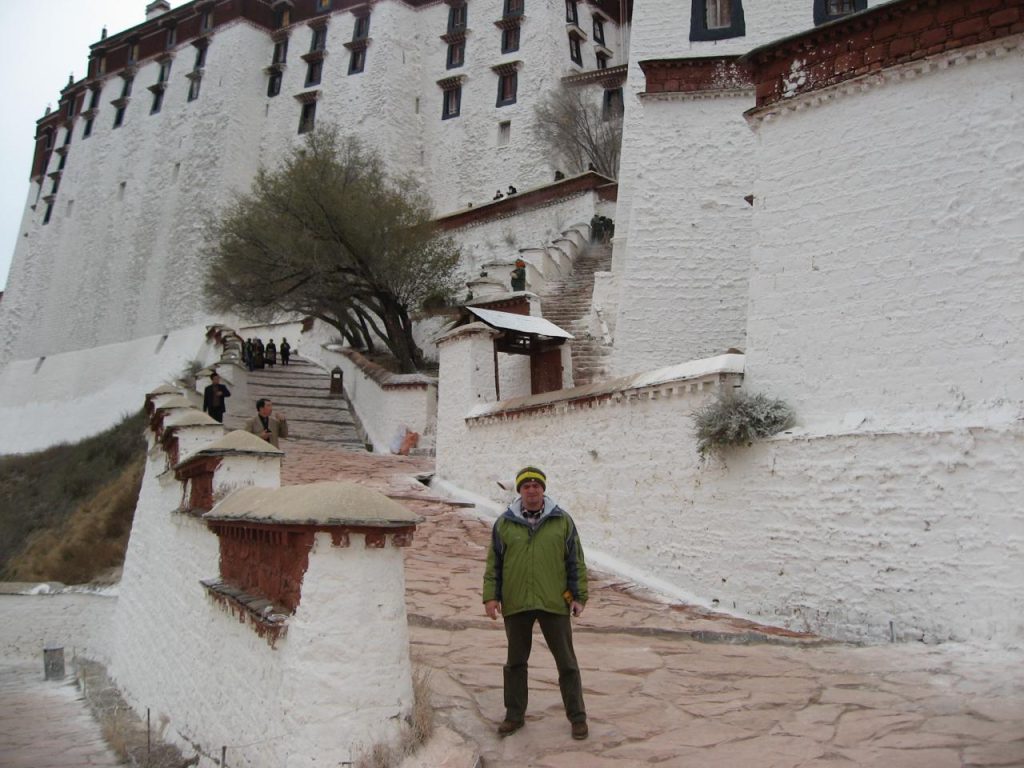
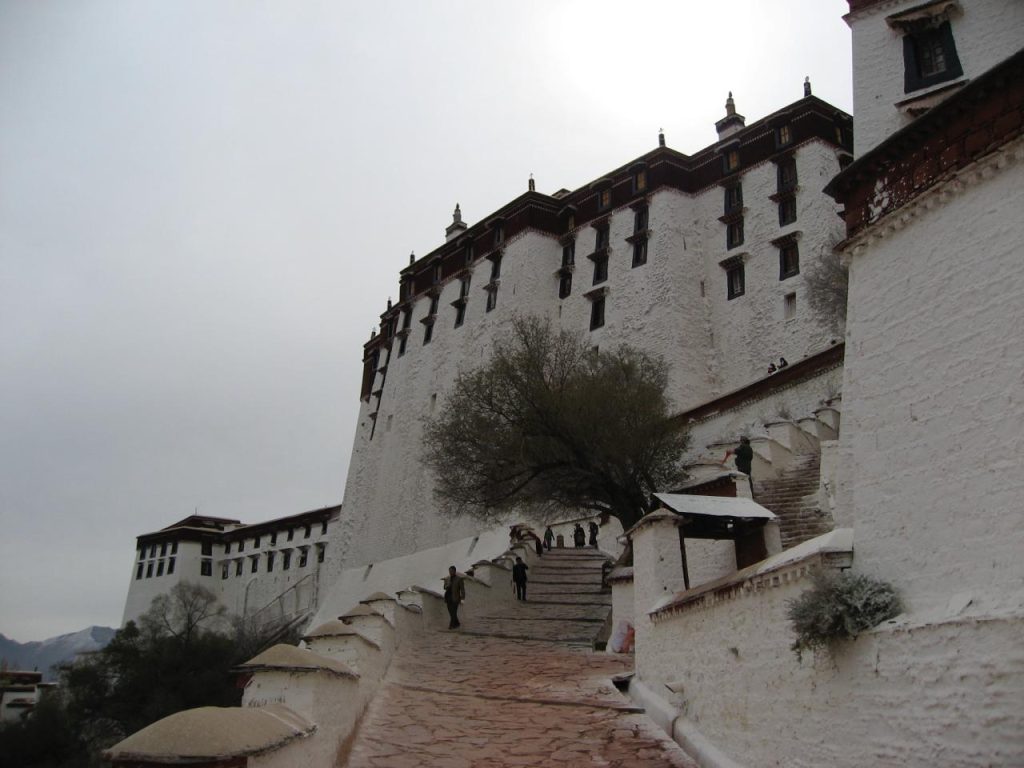
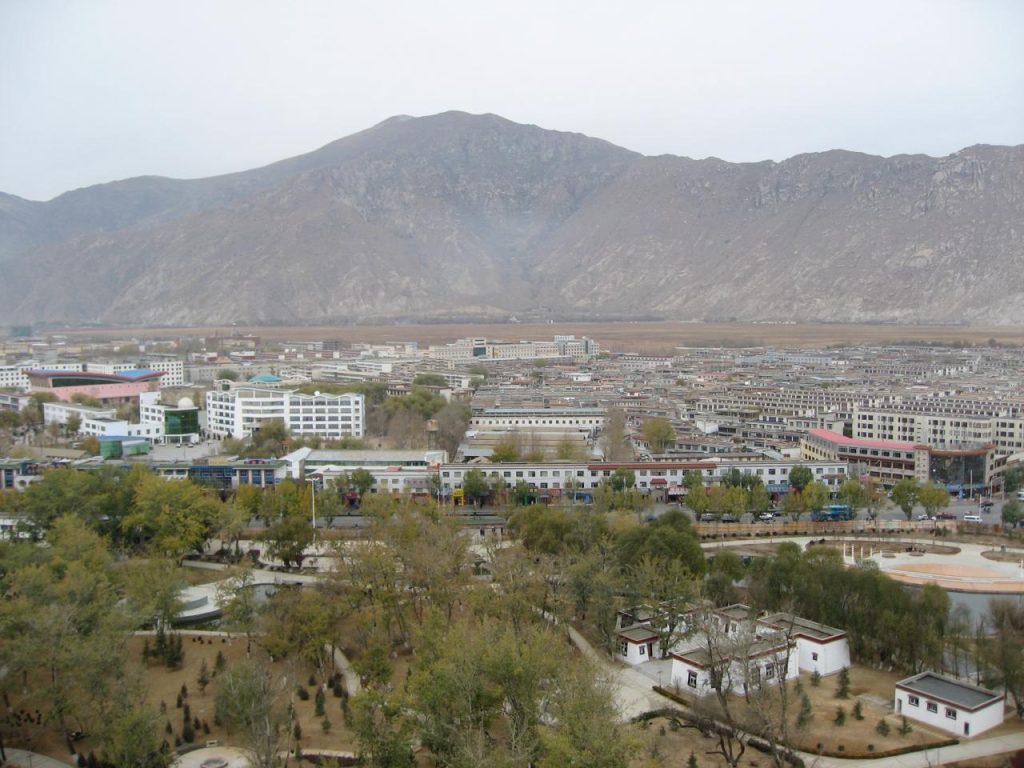
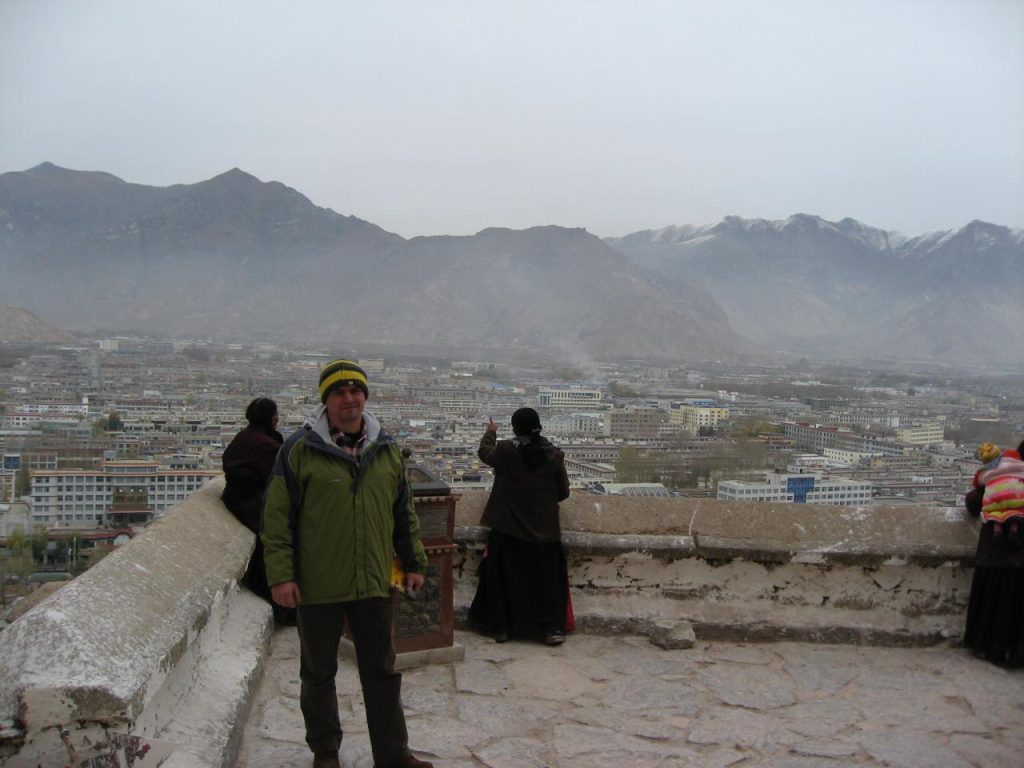
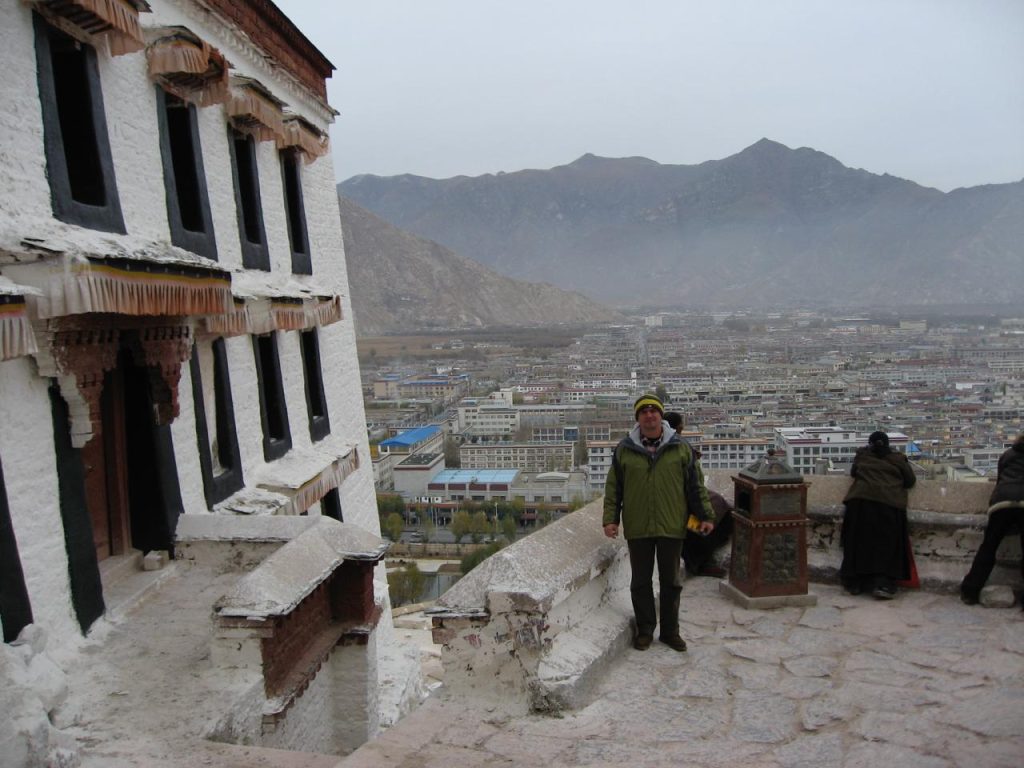
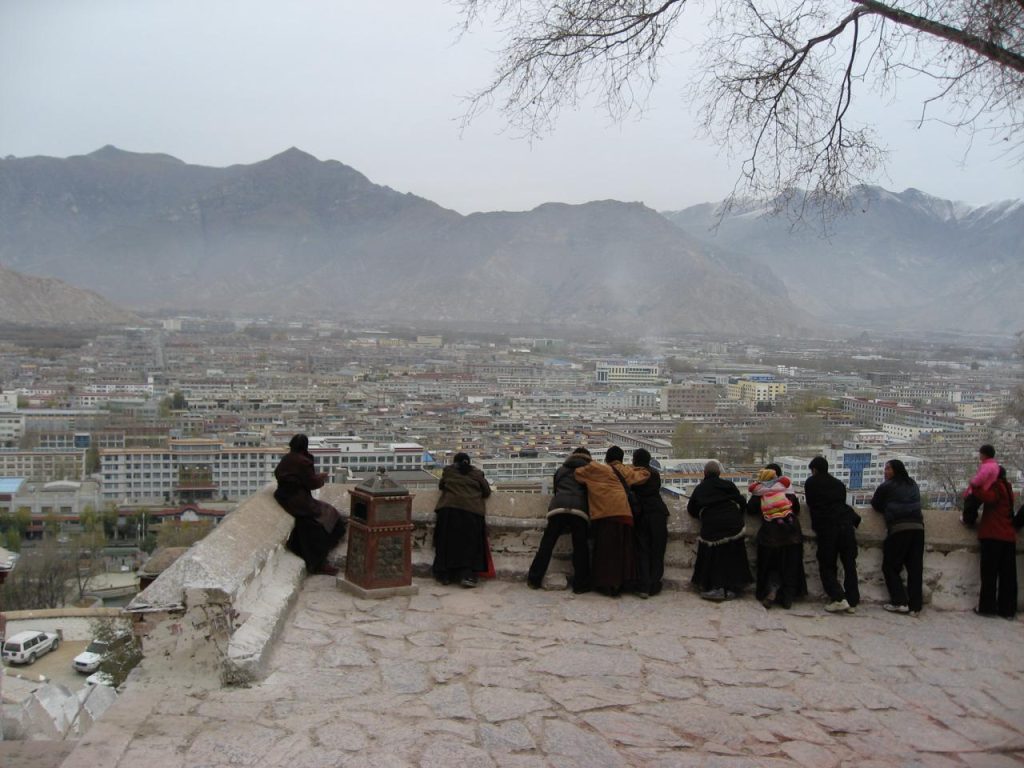
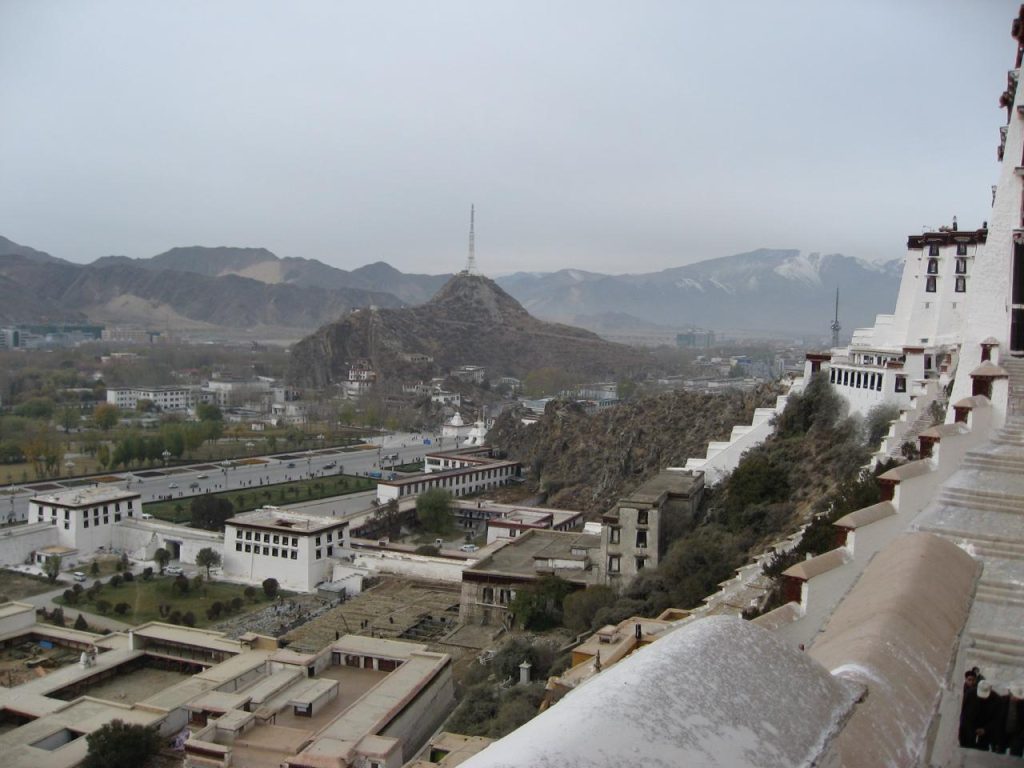
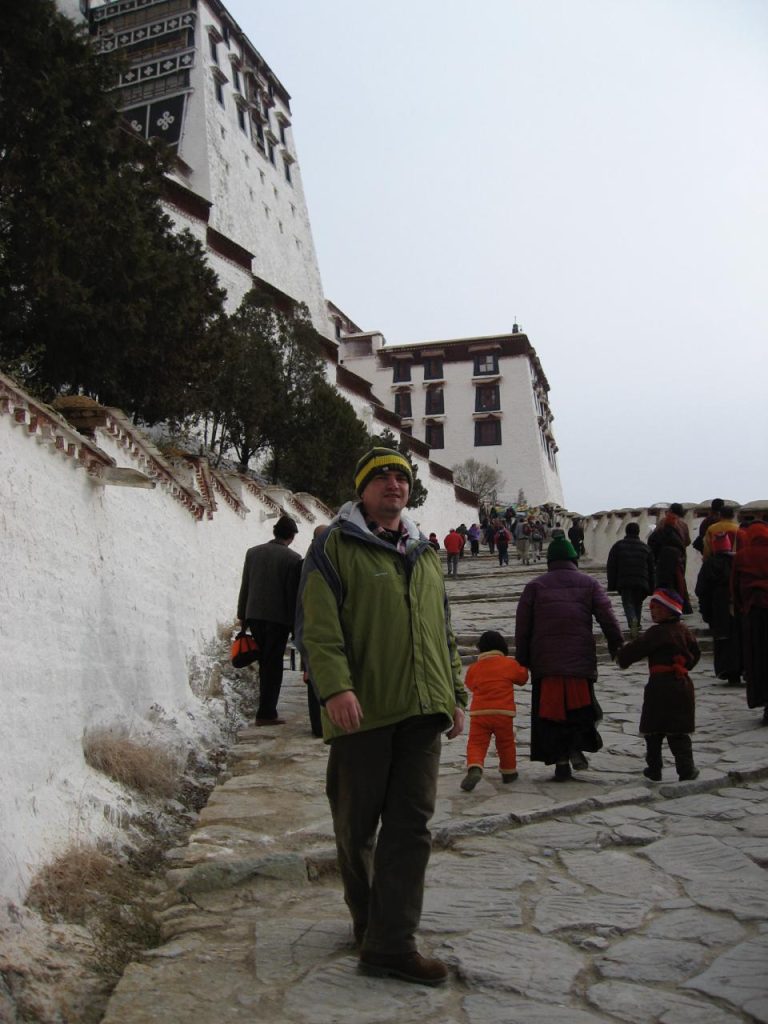
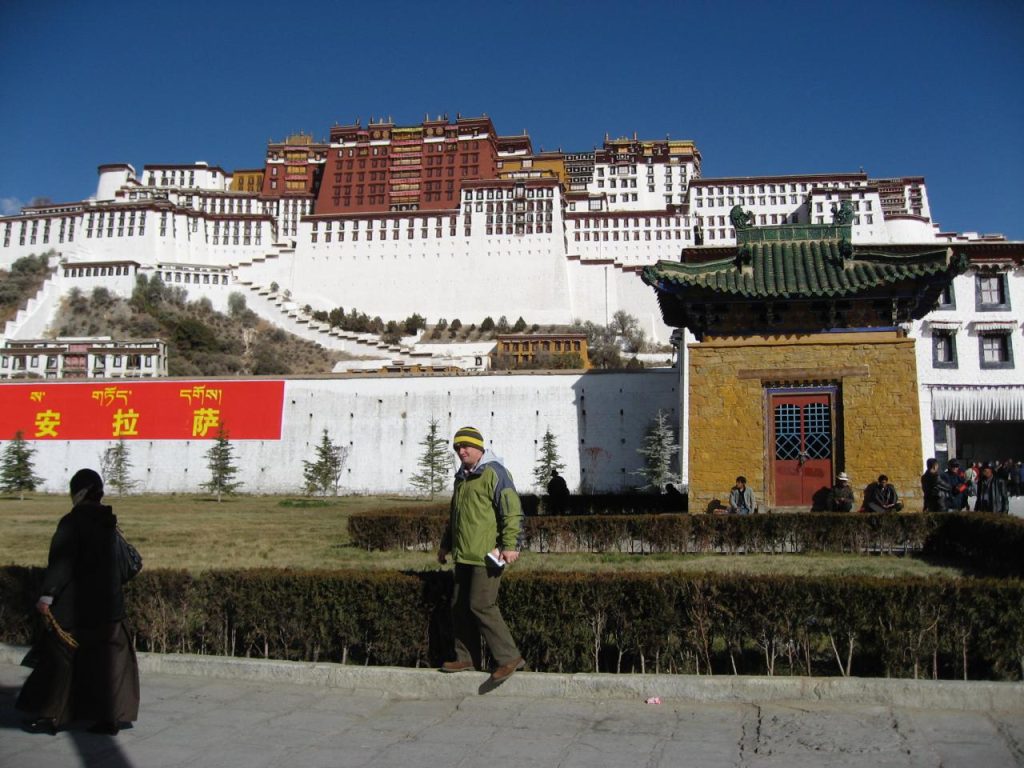
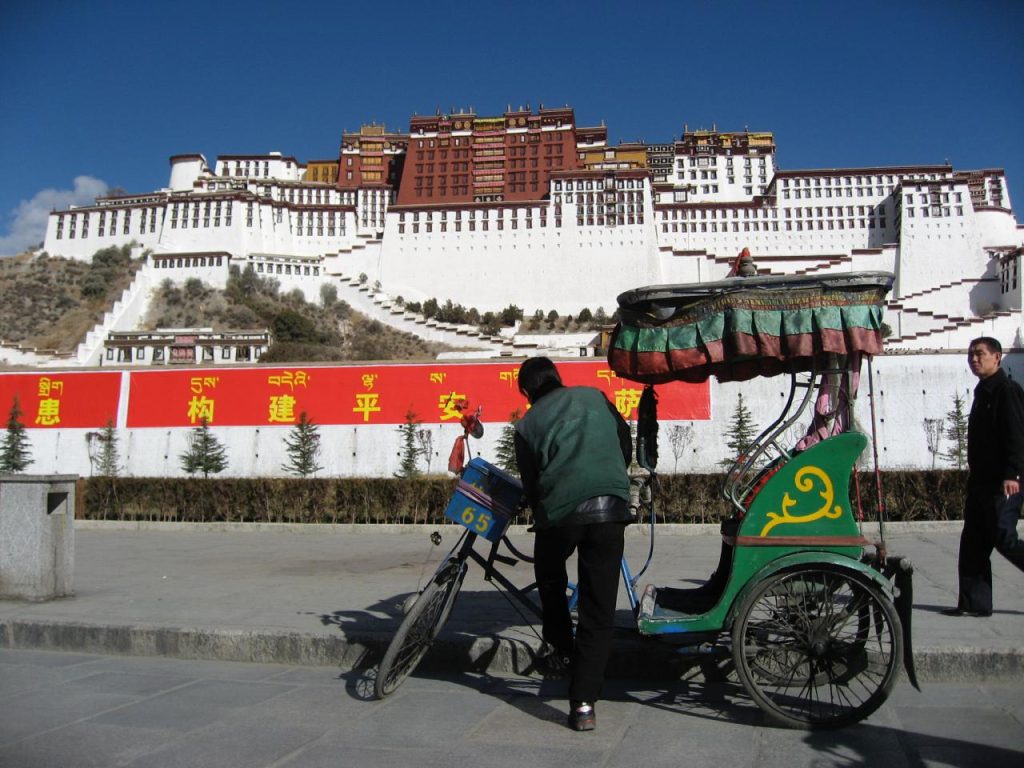
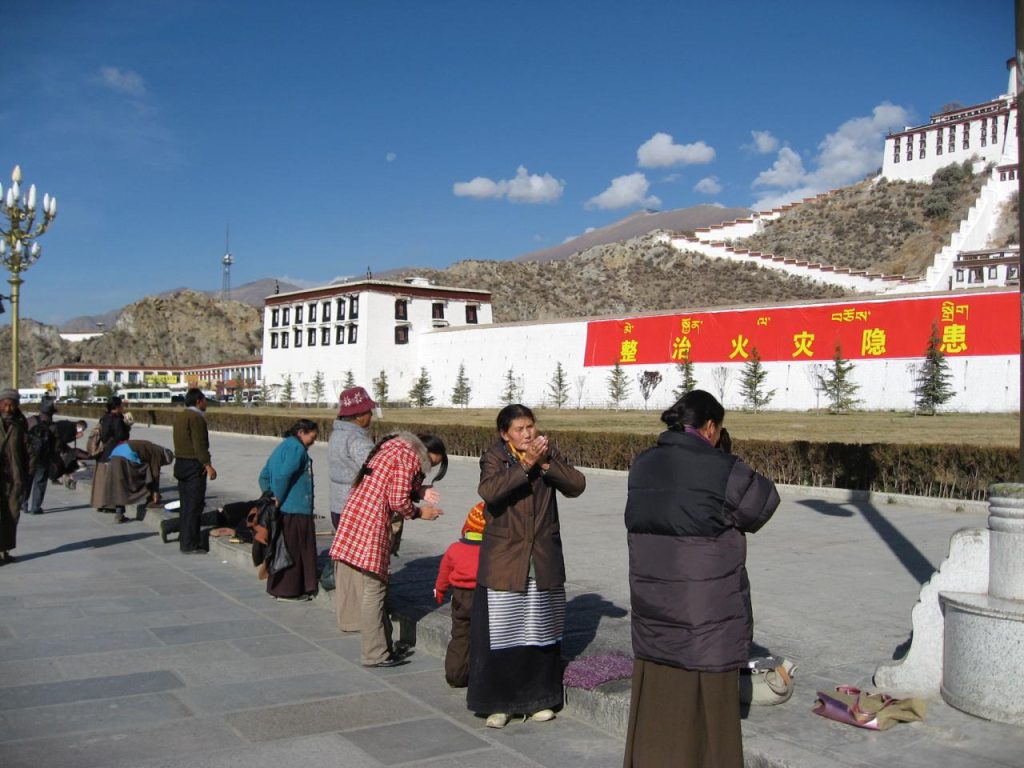
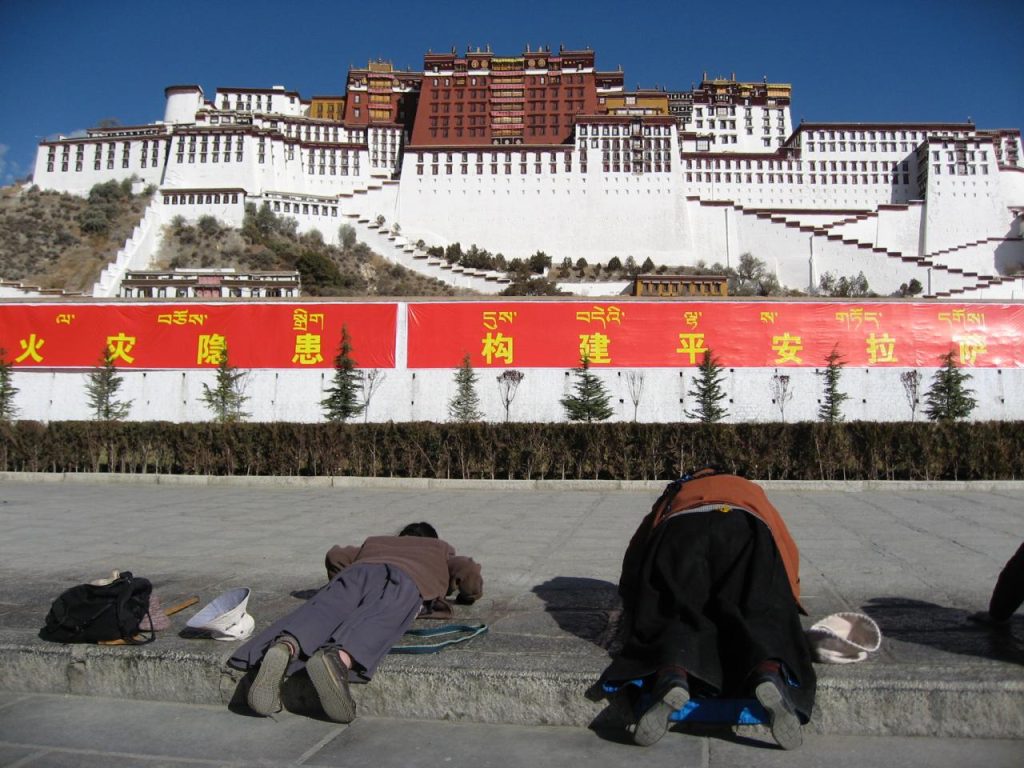
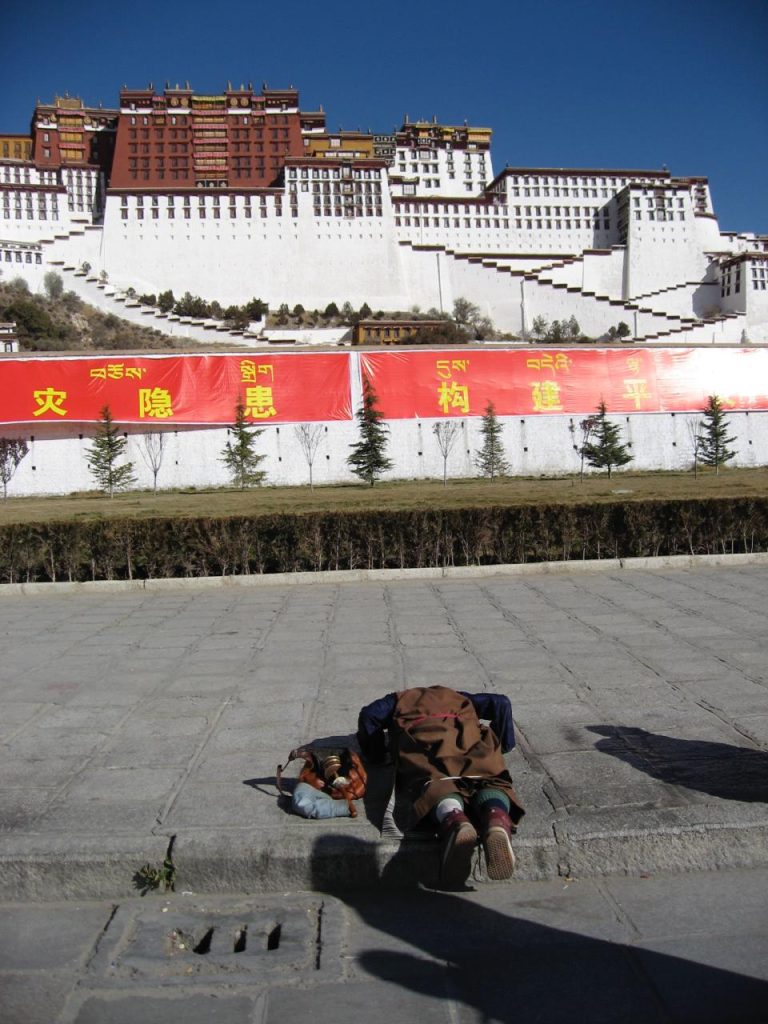
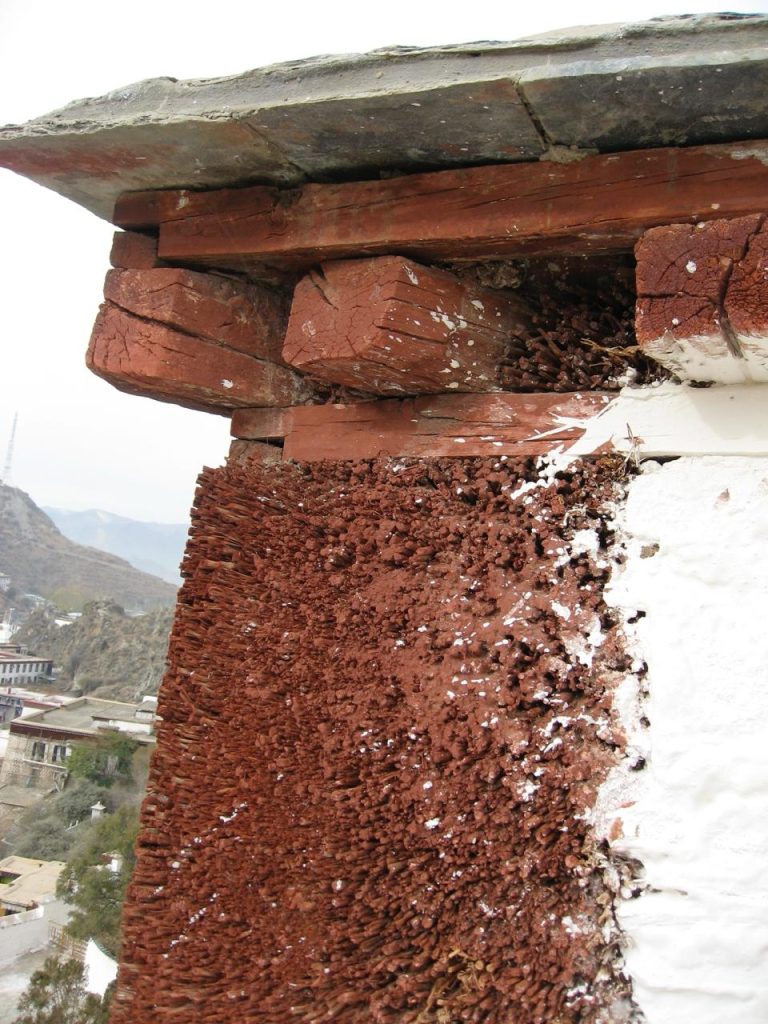
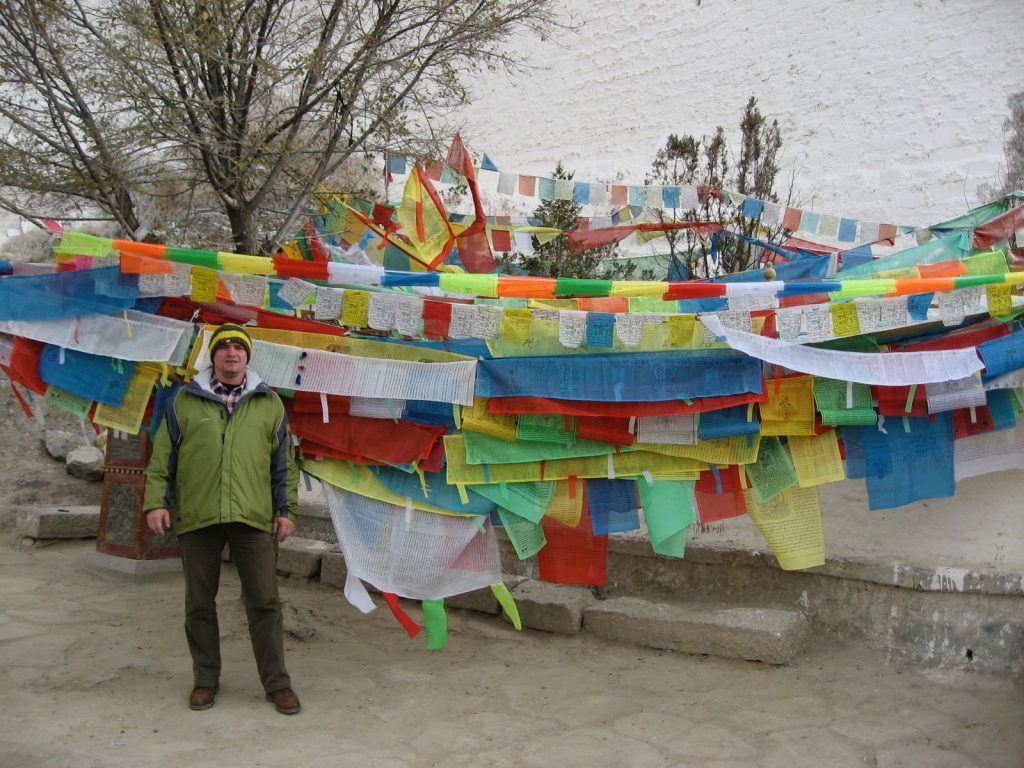
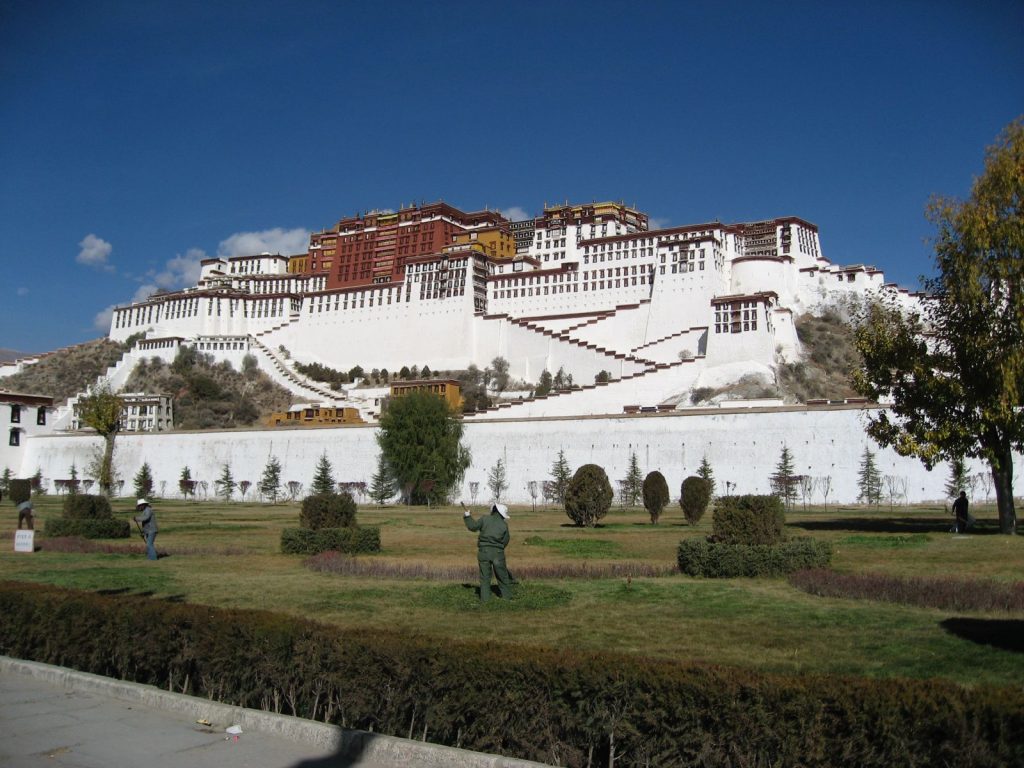
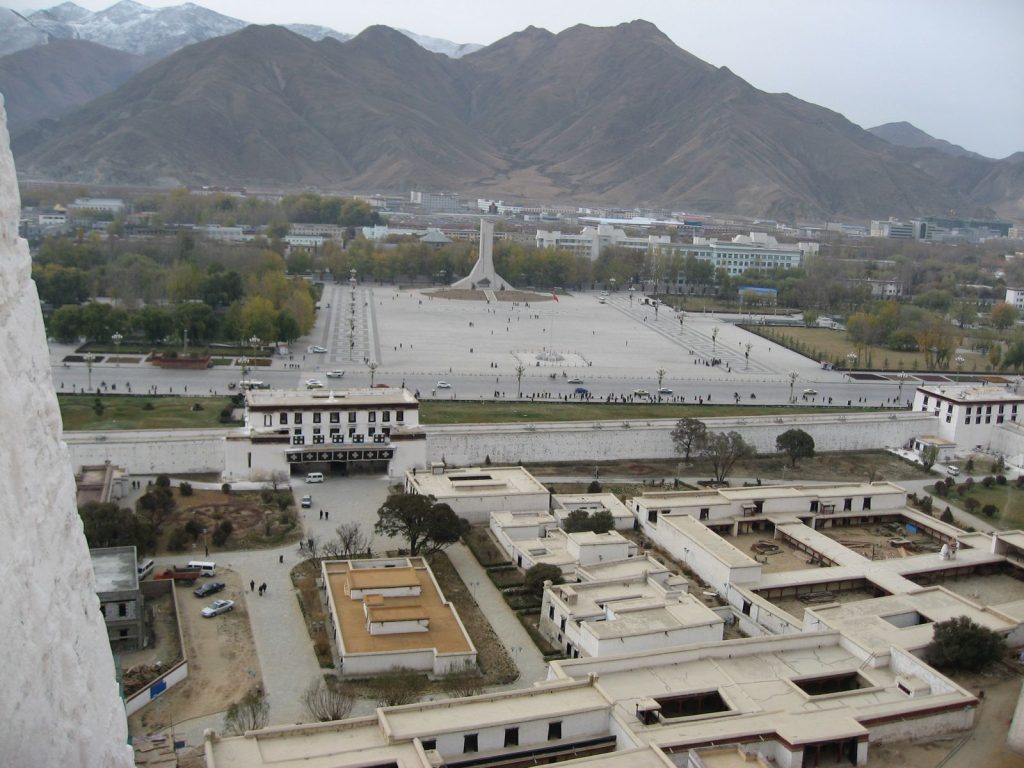
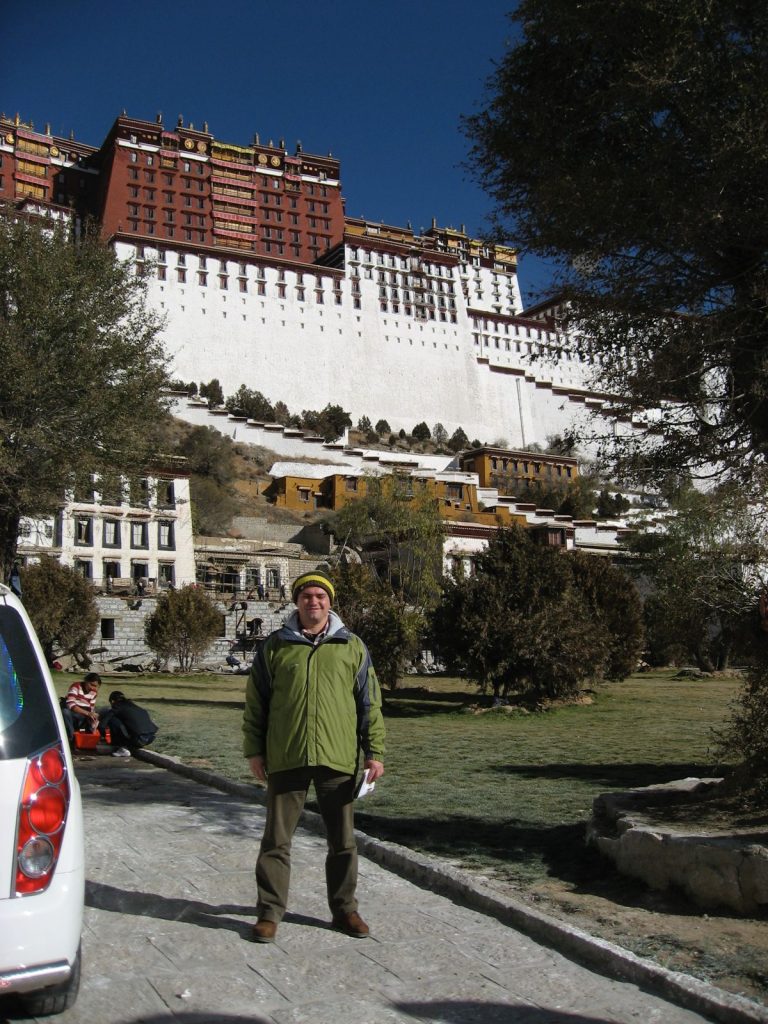
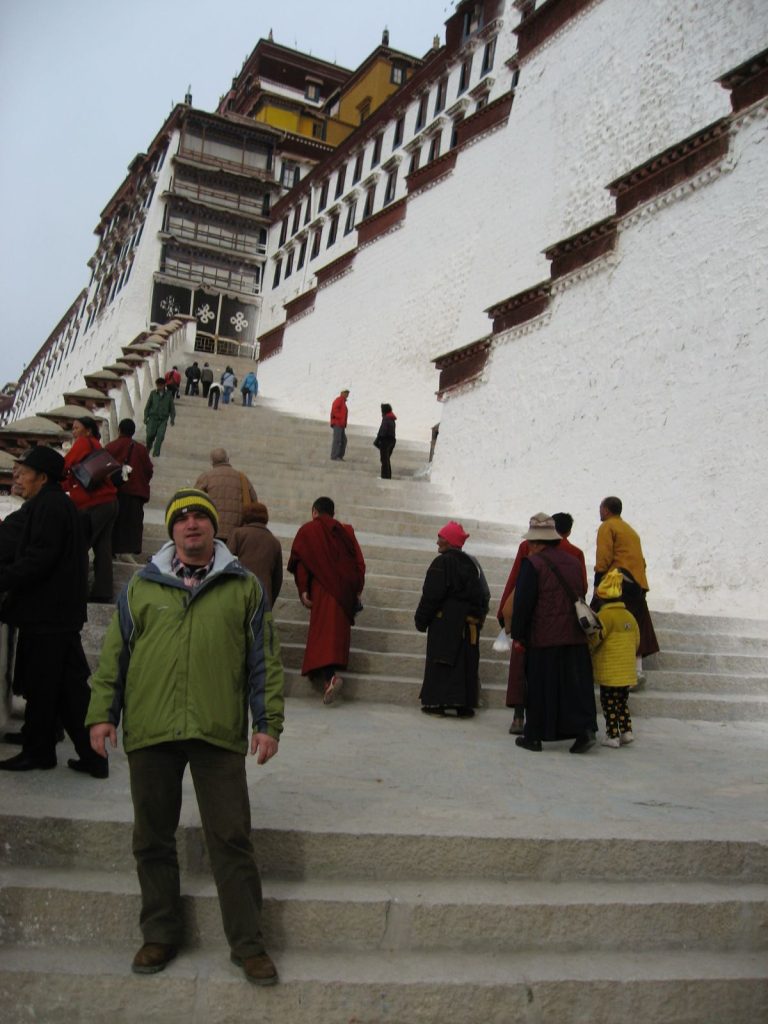
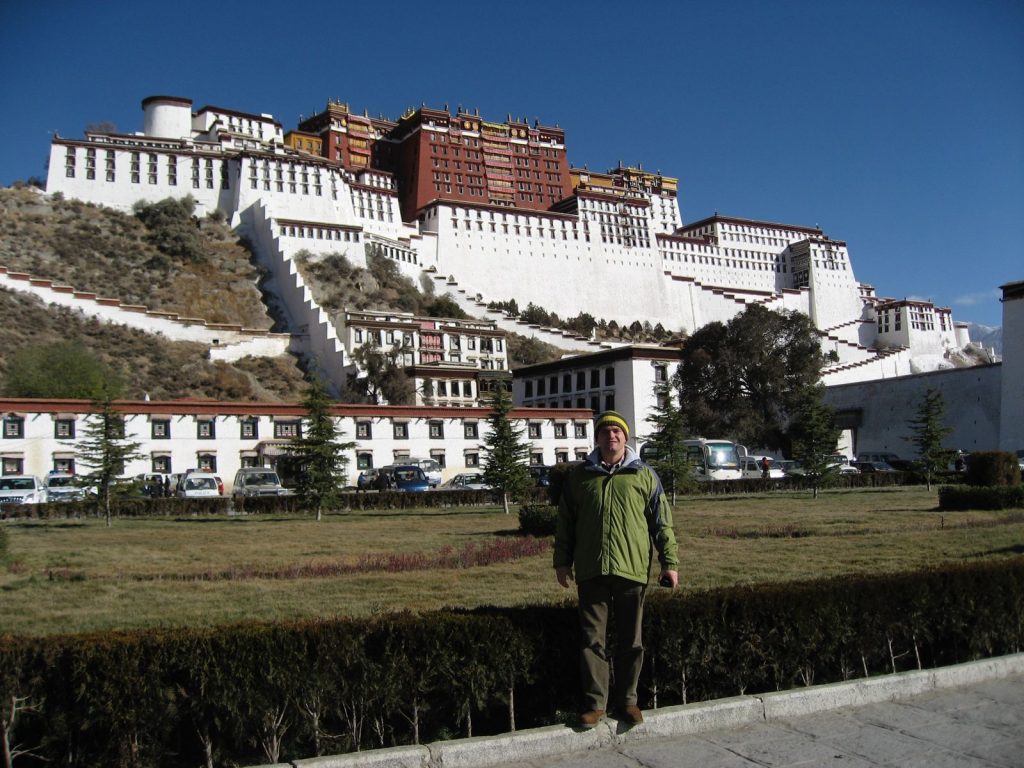
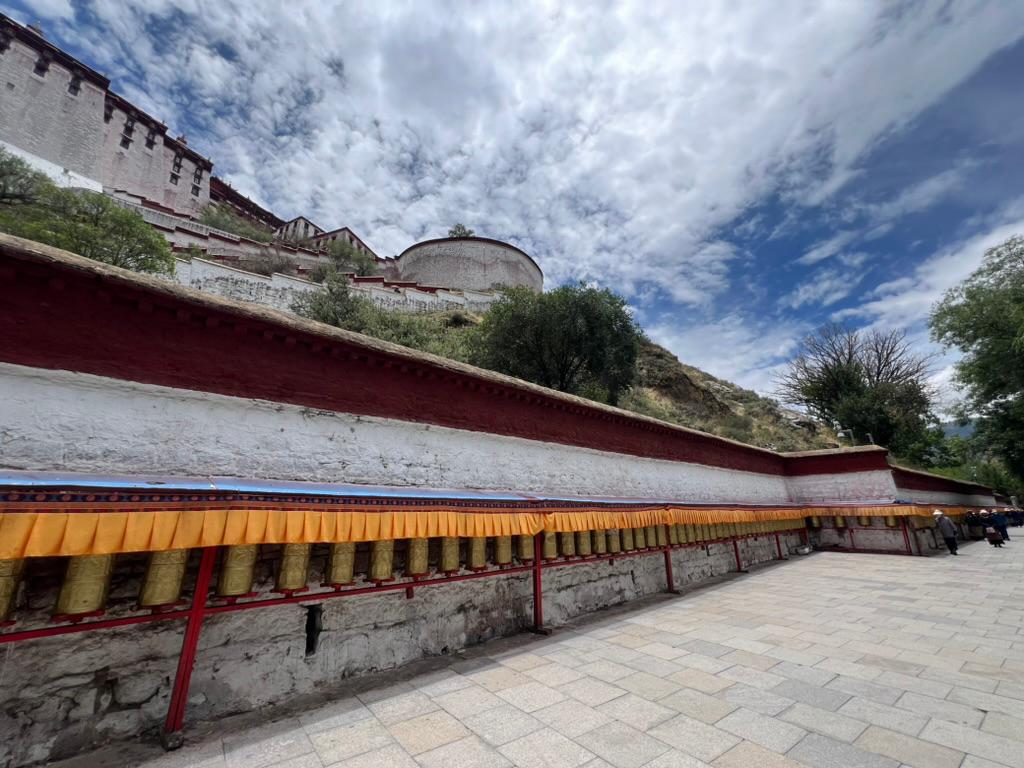
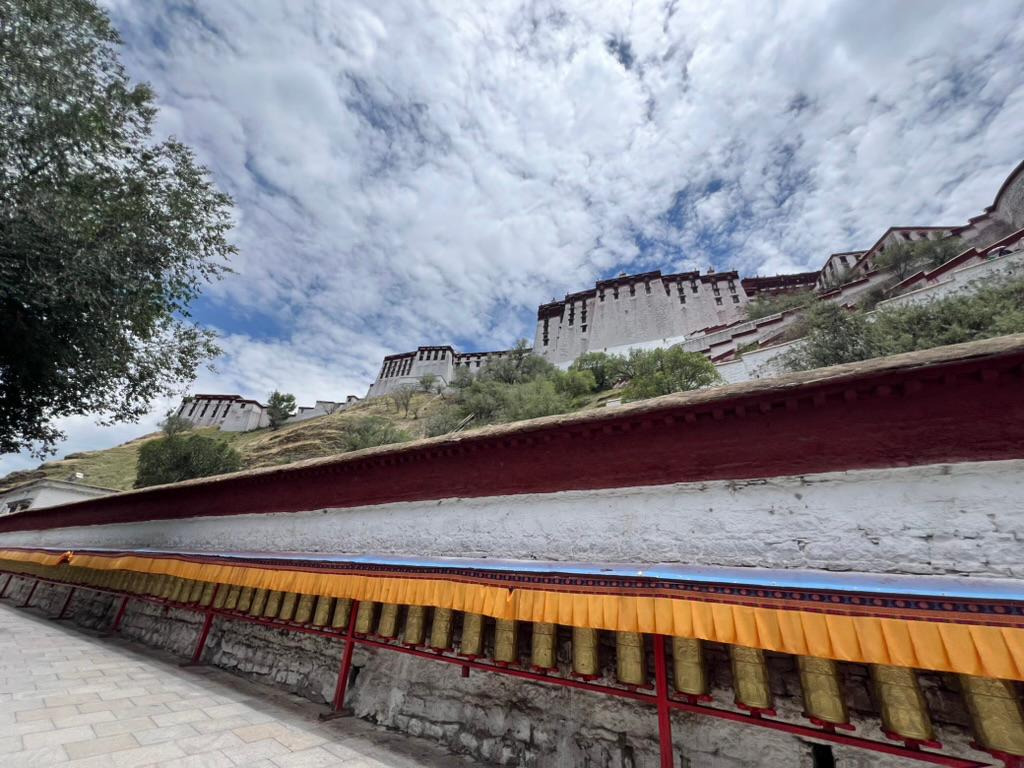
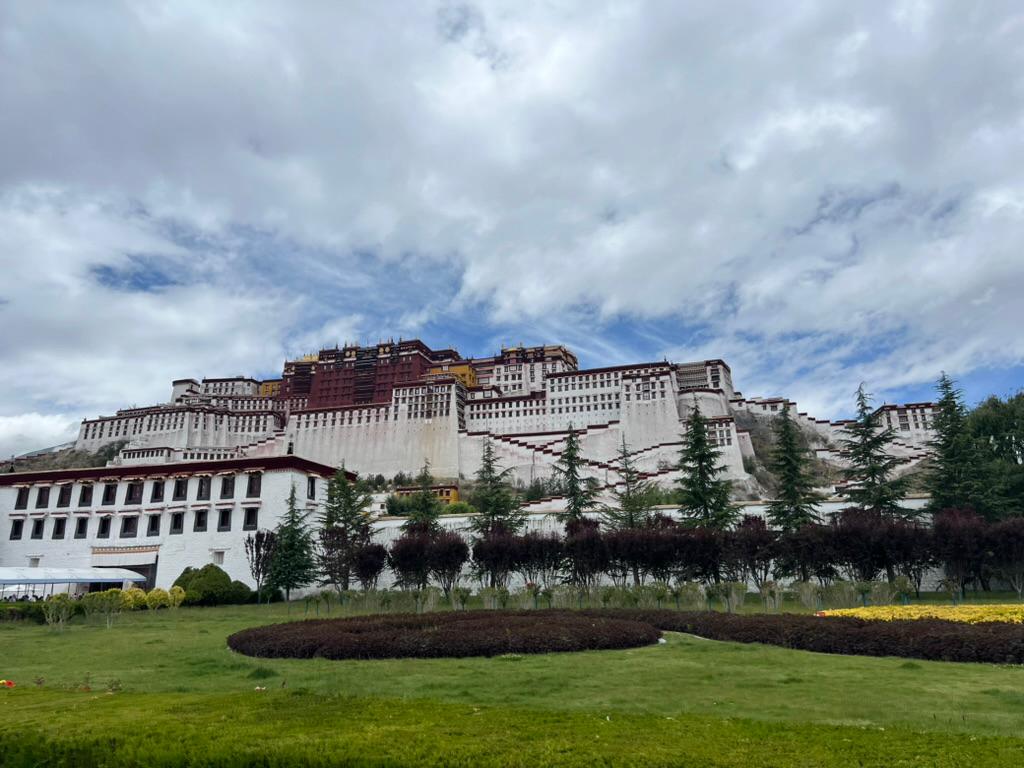
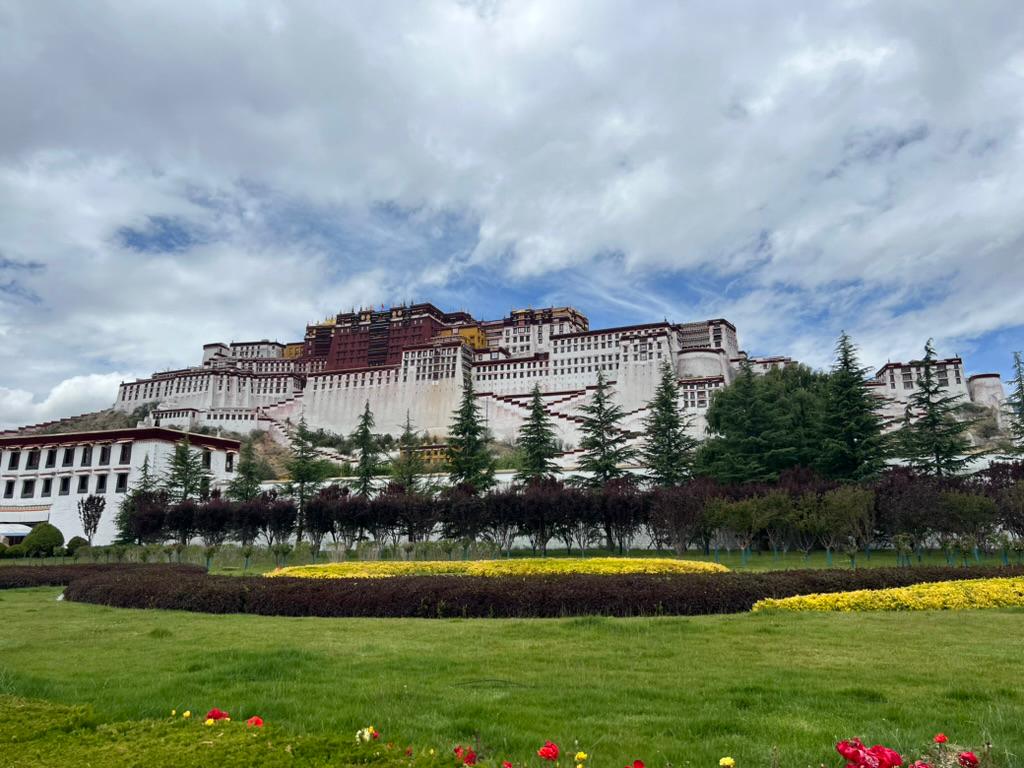
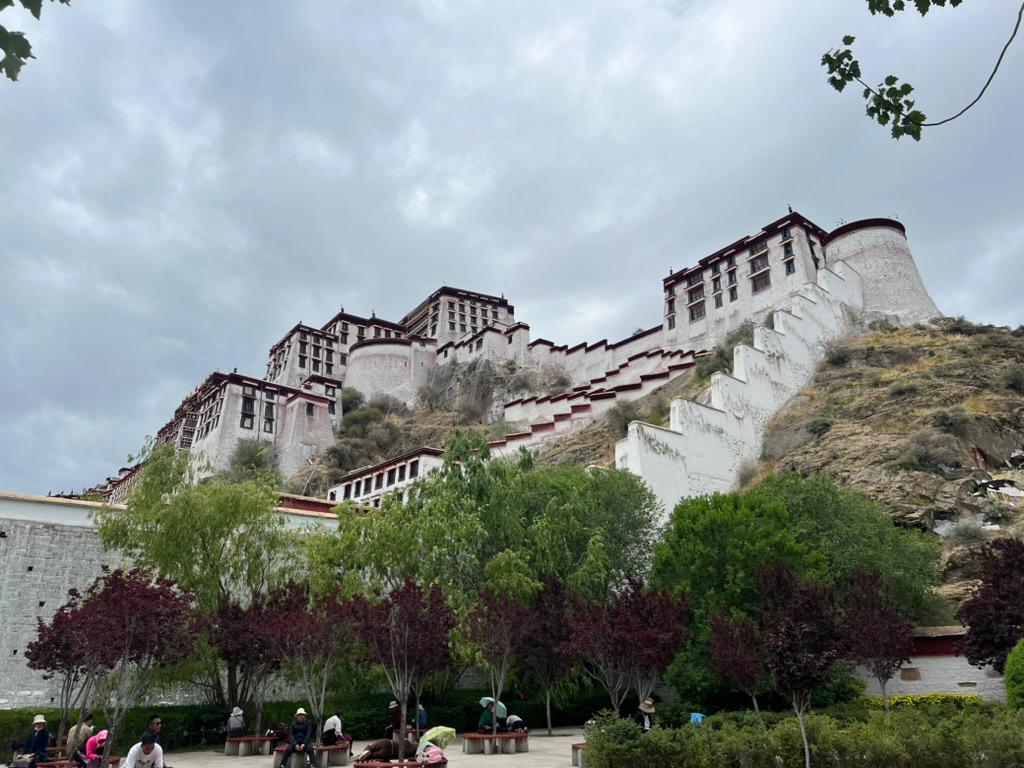
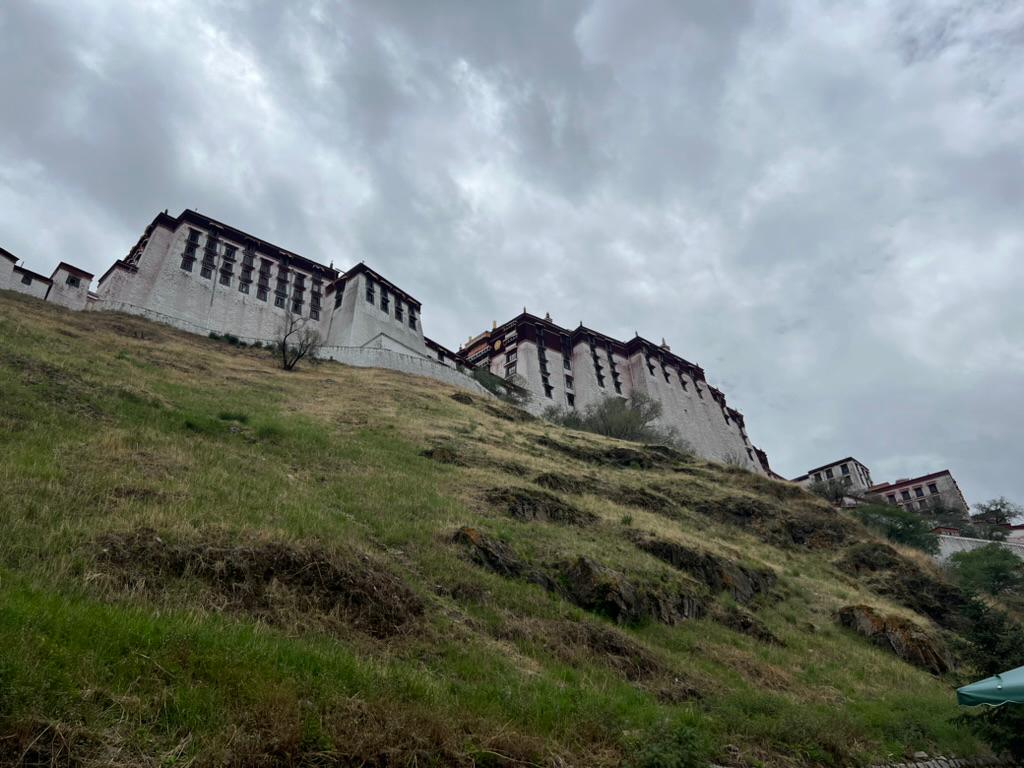
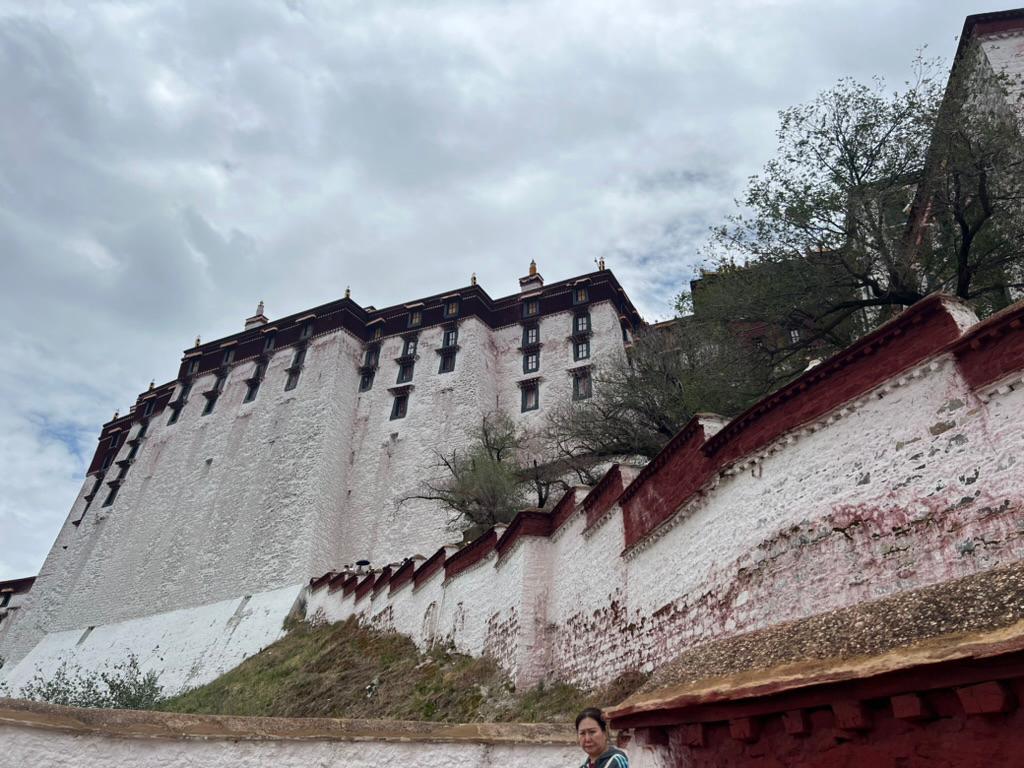
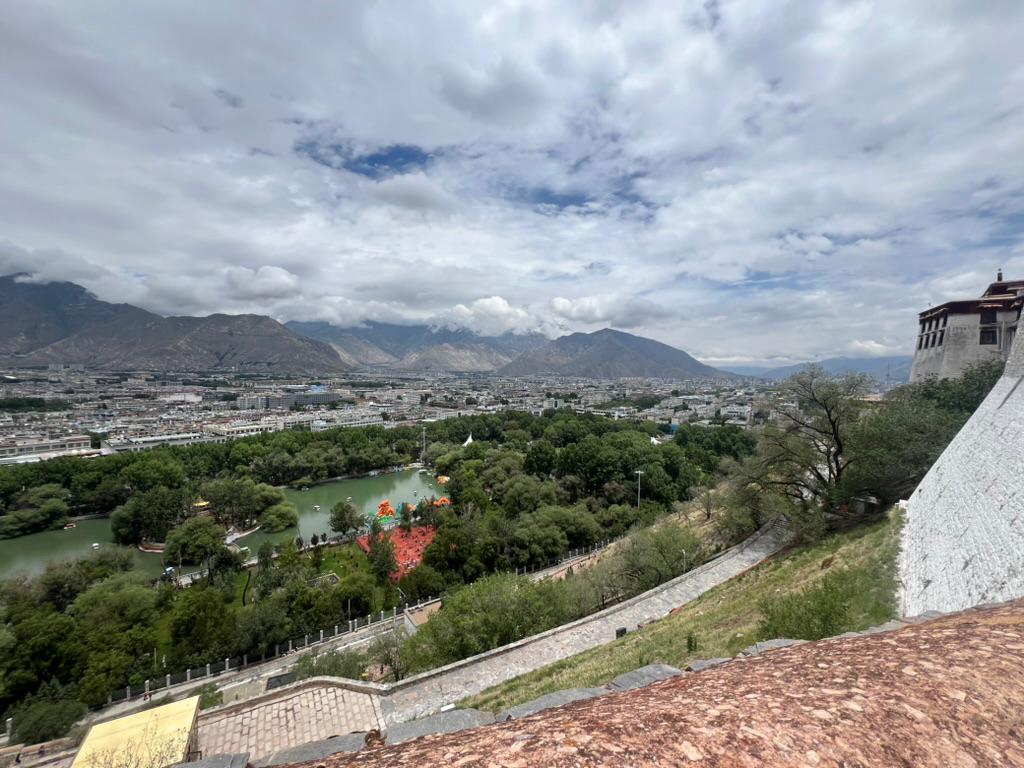
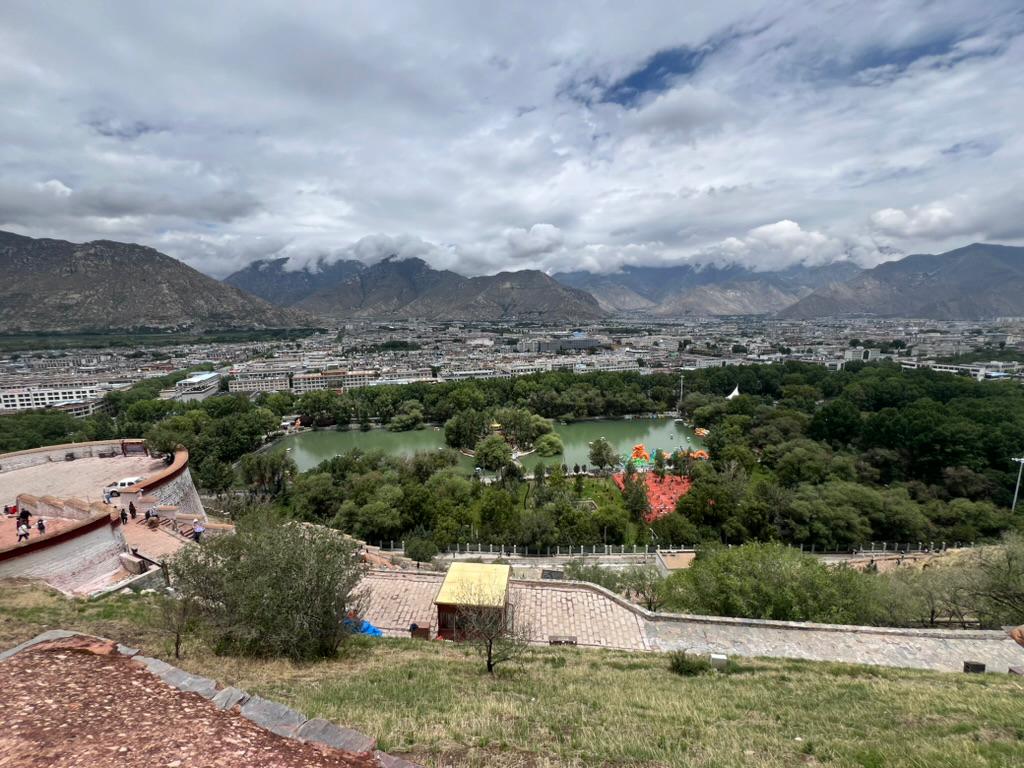
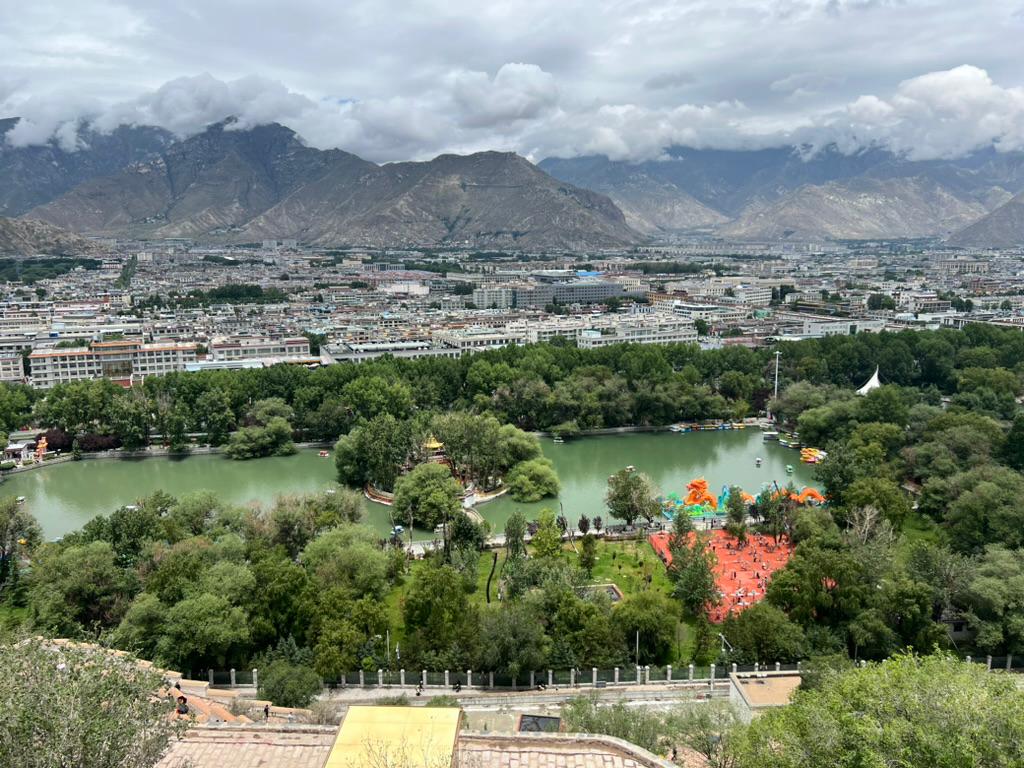
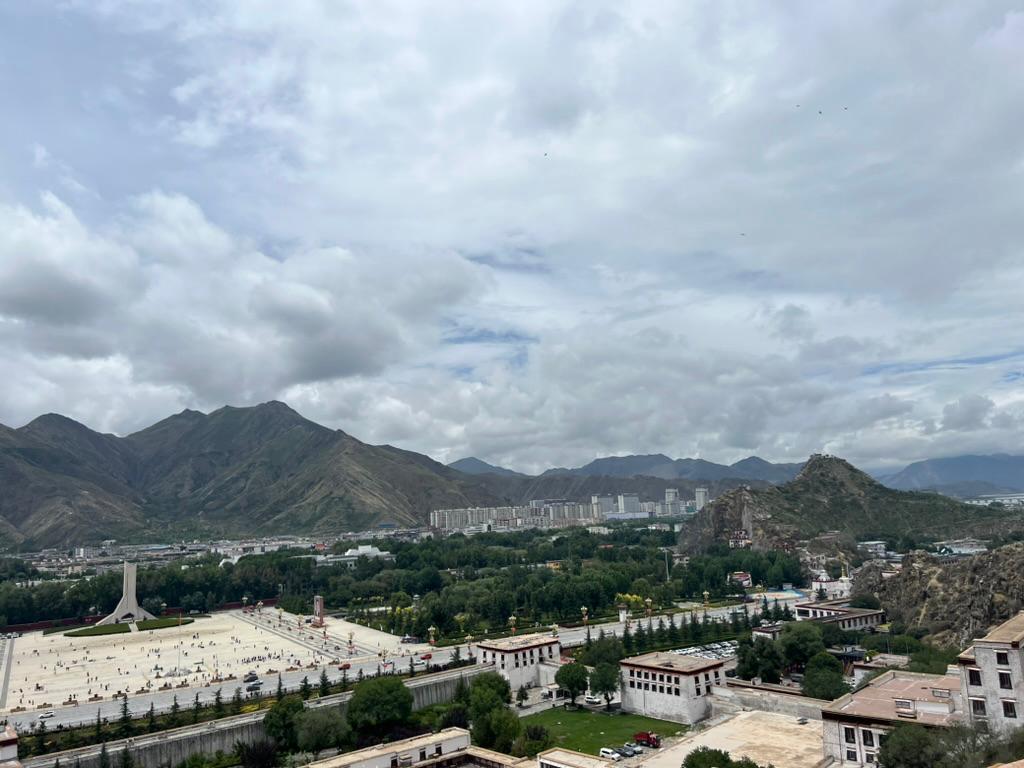
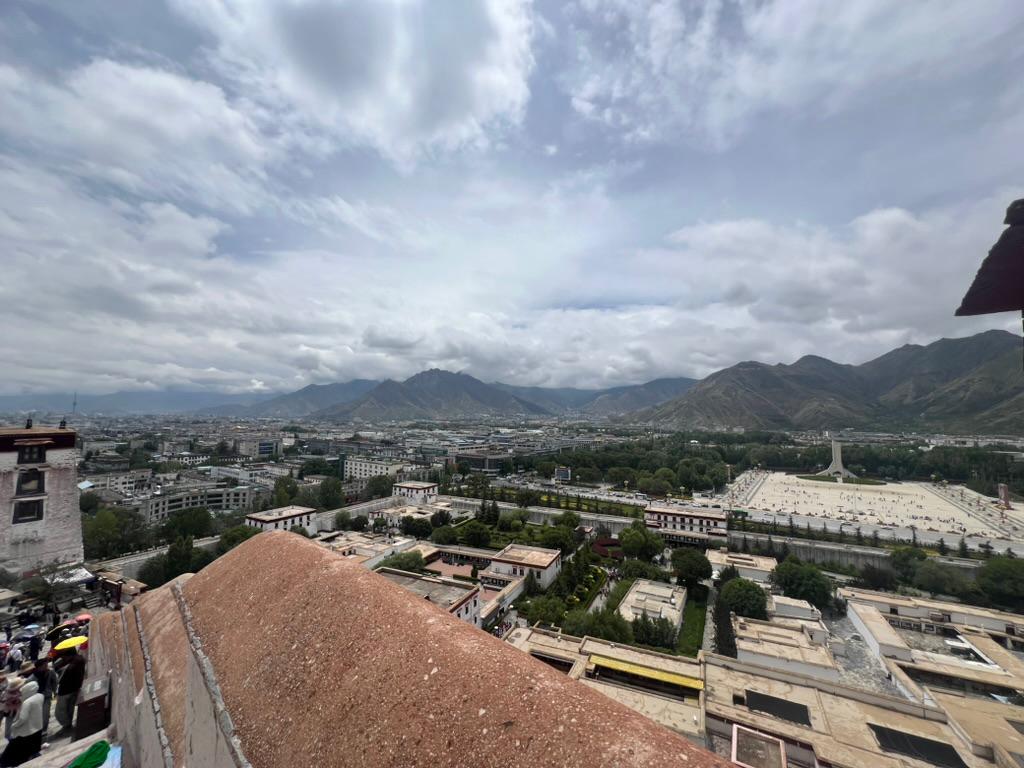
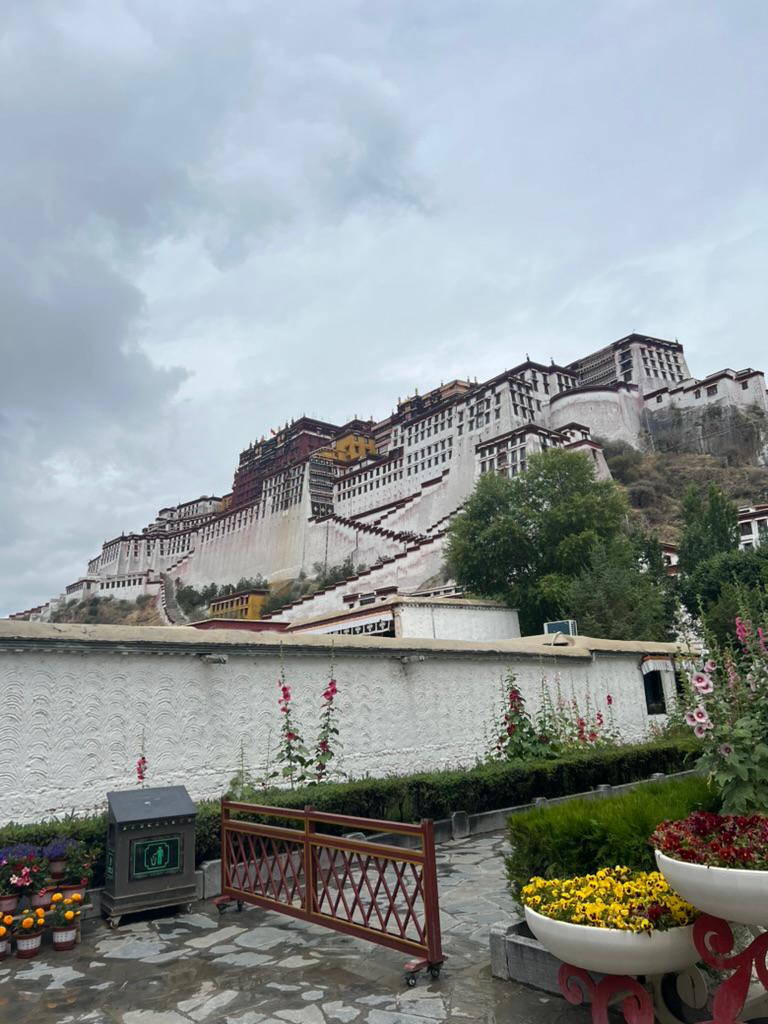
Potala Palace was built on the 130-meter-high Marpo Ri hill. From the hill, we can get a great view of the entire city of Lhasa. According to the old legends, there are several sacred caves on the hill, where Bodhisattva Avalokiteshvara (Chenresig) lived. That’s why King Songtsen Gampo used the caves for his meditation retreats in the 7th century. It also explains the origin of the name “Potala”, which, according to some theories, derives from the Tibetan title for Avalokiteshvara’s Pure Land, named “Potala”. Later, the king decided to build a palace on Marpo Ri. This palace later became the foundation of the Potala Palace. In the 17th century, the fifth Dalai Lama decided to move the seat of his Gelugpa sect to the Marpo Ri hill from Drepung Monastery.
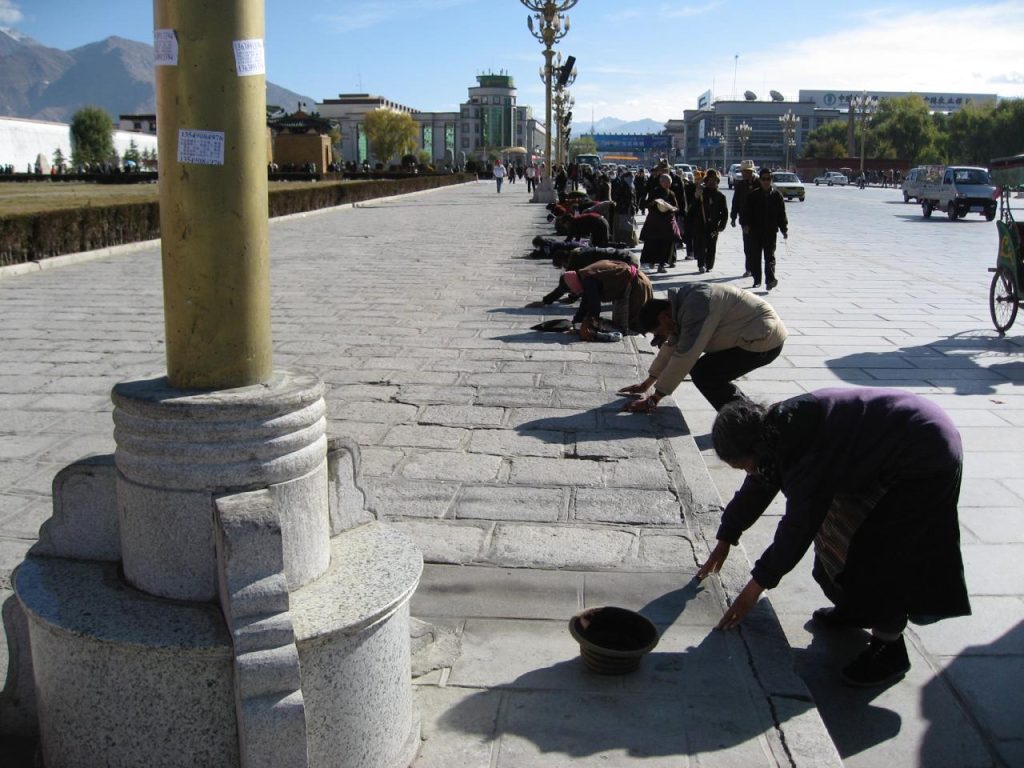
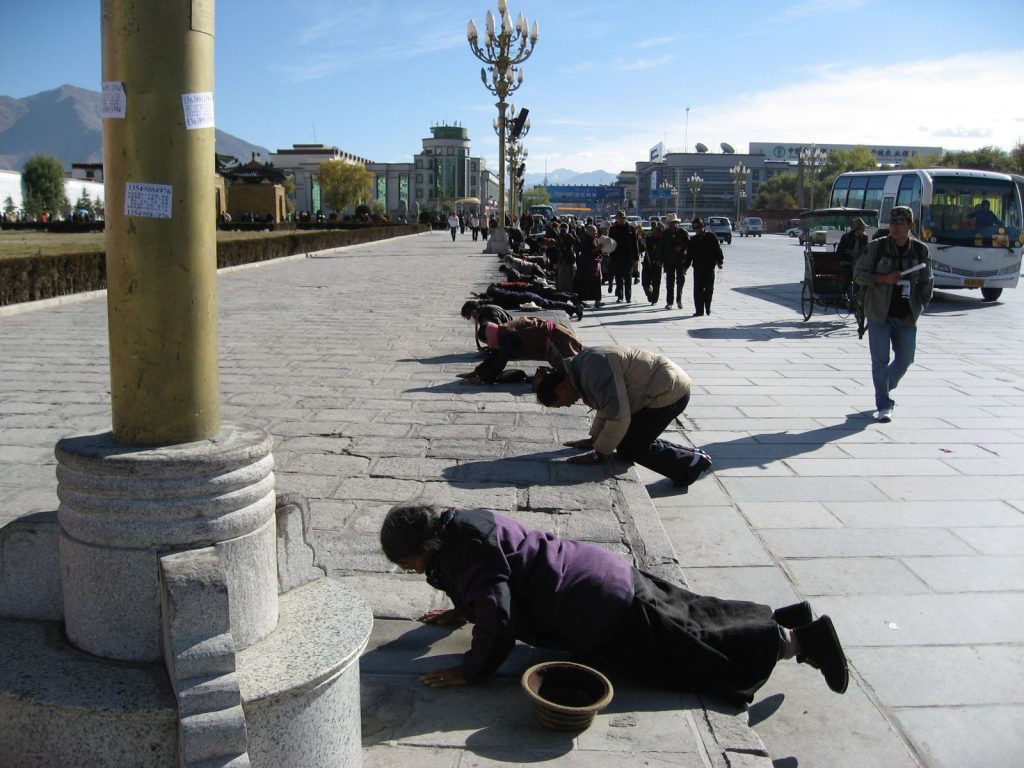
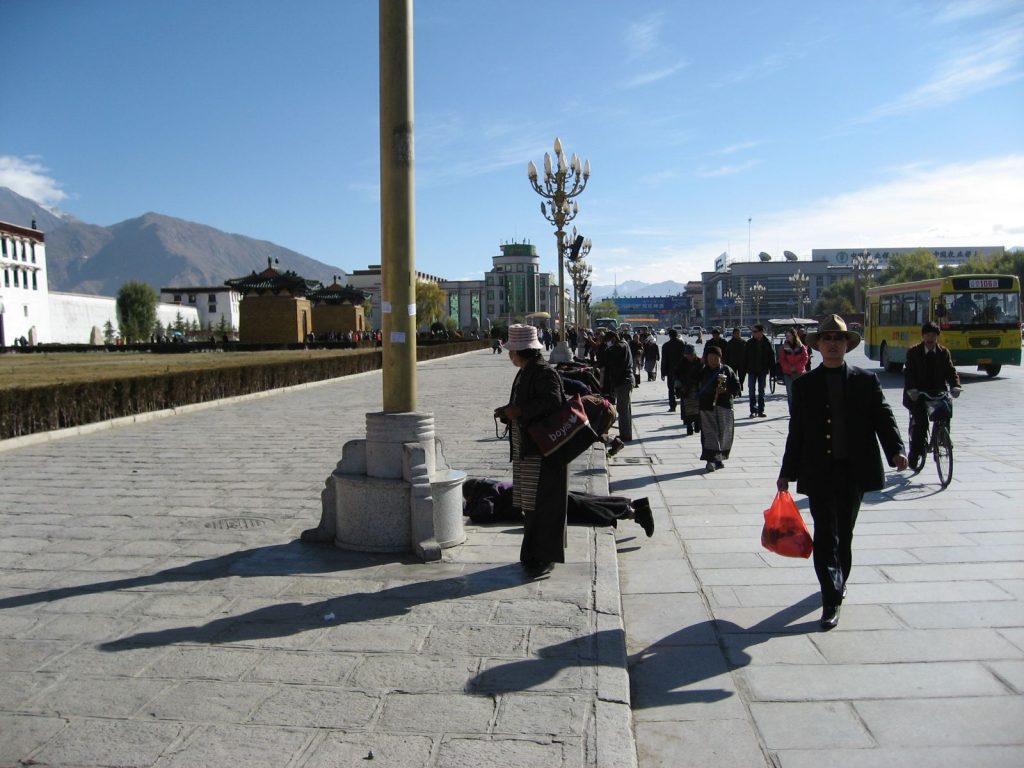
Work began first on the White Palace, or Kharpo Podrang, in 1645, and the fifth Dalai Lama moved there from Drepung Monastery shortly after. It is unknown who initiated the work on the Red Palace, or Marpo Podrang. The fifth Dalai Lama died in 1682 and his death was concealed until the completion of the Red Palace 12 years later. His death was not announced until he was put to rest in the newly completed Red Palace. Since The Fifth Dalai Lama first moved to Potala, it became the main residence for all the Dalai Lamas. At the same time, it became the seat of the Tibetan government, a religious school, and an important pilgrimage destination, since it contained tombs of the previous Dalai Lamas.
In the 17th century, the Seventh Dalai Lama founded the Summer Palace in Norbulingka Park. All successive Dalai Lamas used Potala Palace as their winter residence and spent summers in Norbulingka. Nowadays, Norbulingka or Jewel Park is also included in the UNESCO list.
In the 17th century, the Seventh Dalai Lama founded the Summer Palace in Norbulingka Park. All successive Dalai Lamas used Potala Palace as their winter residence and spent summers in Norbulingka. Nowadays, Norbulingka or Jewel Park is also included in the UNESCO list.
The Thirteen Dalai Lama renovated the Potala Palace, adding some rooms to the White Palace and several chapels to the Red Palace.
The Potala was not seriously damaged during the Cultural Revolution in 1959. Some believe, that several Chinese troops protected it. Consequently, most of the chapels and artifacts remained well preserved.
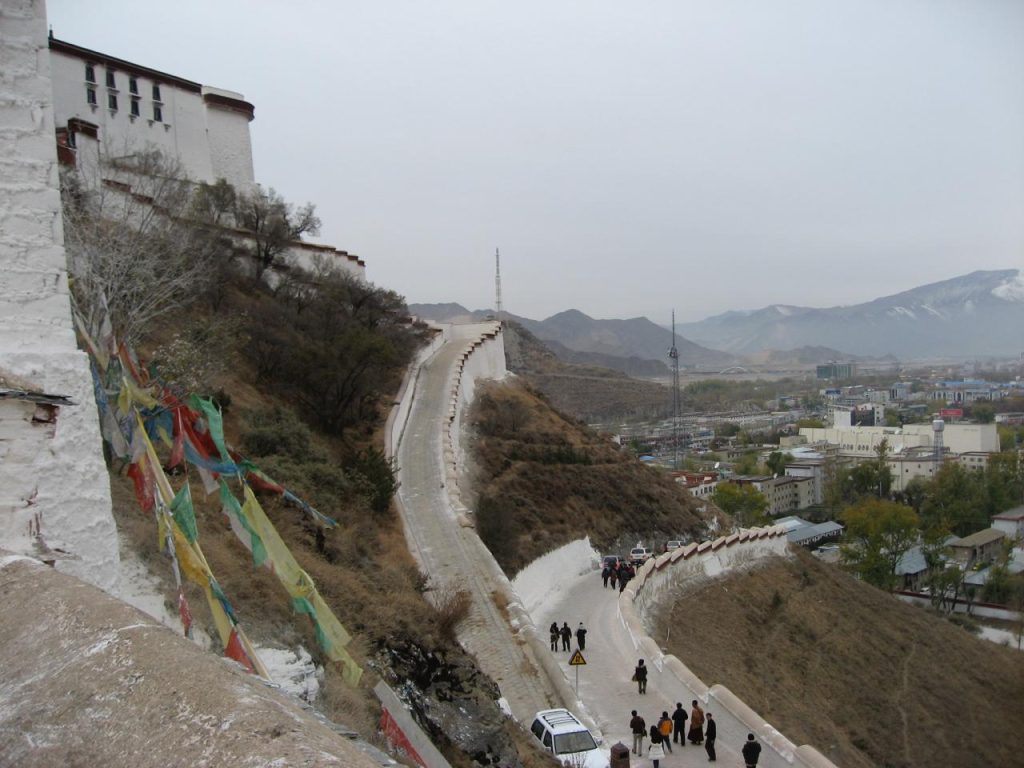
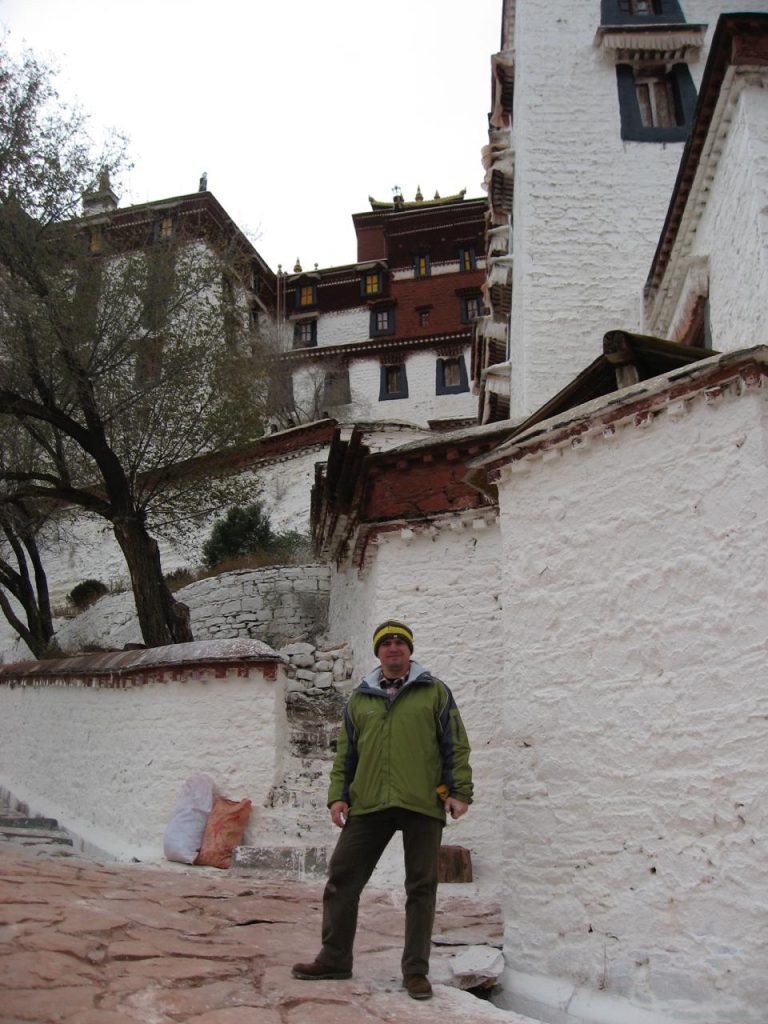
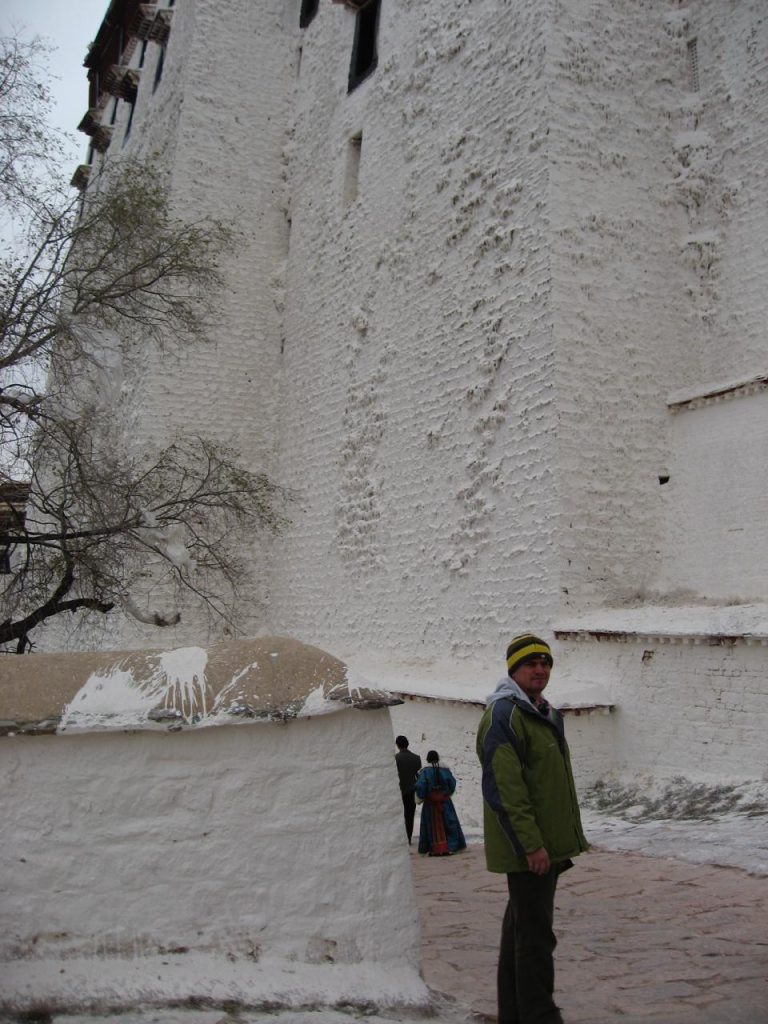
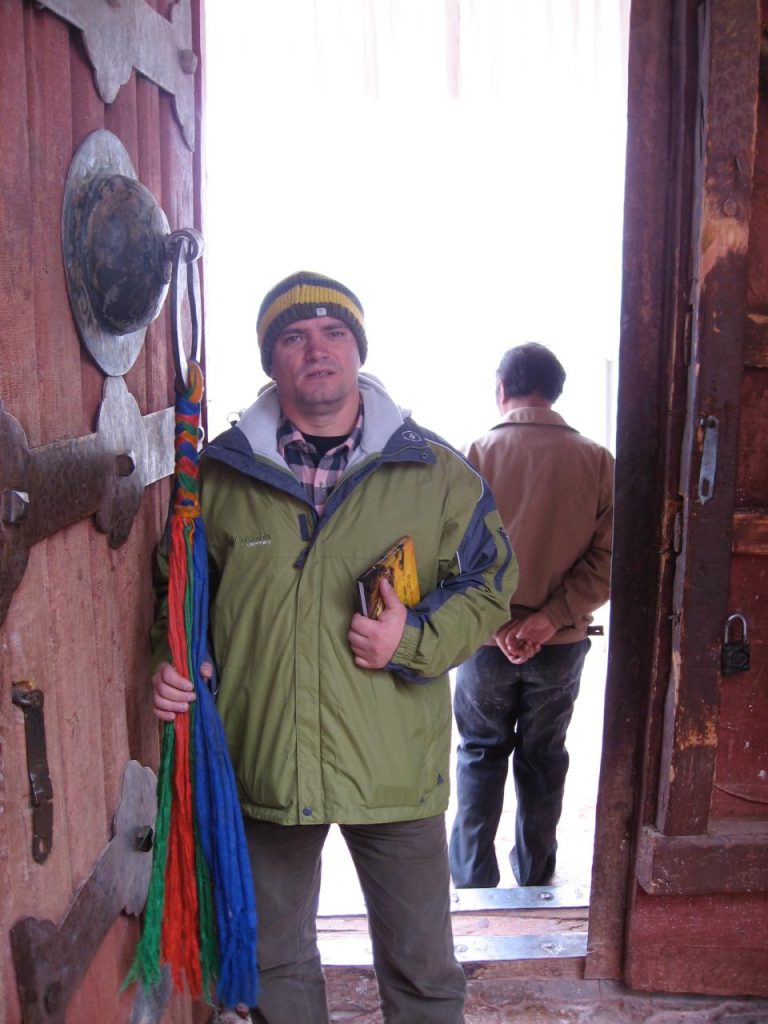
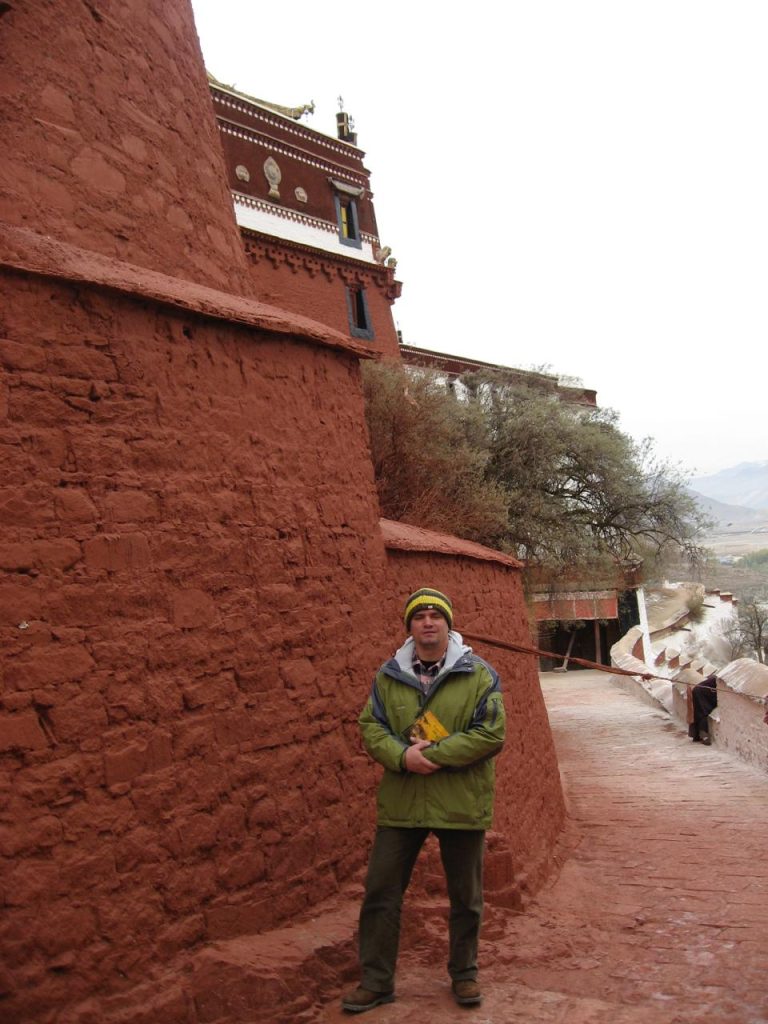
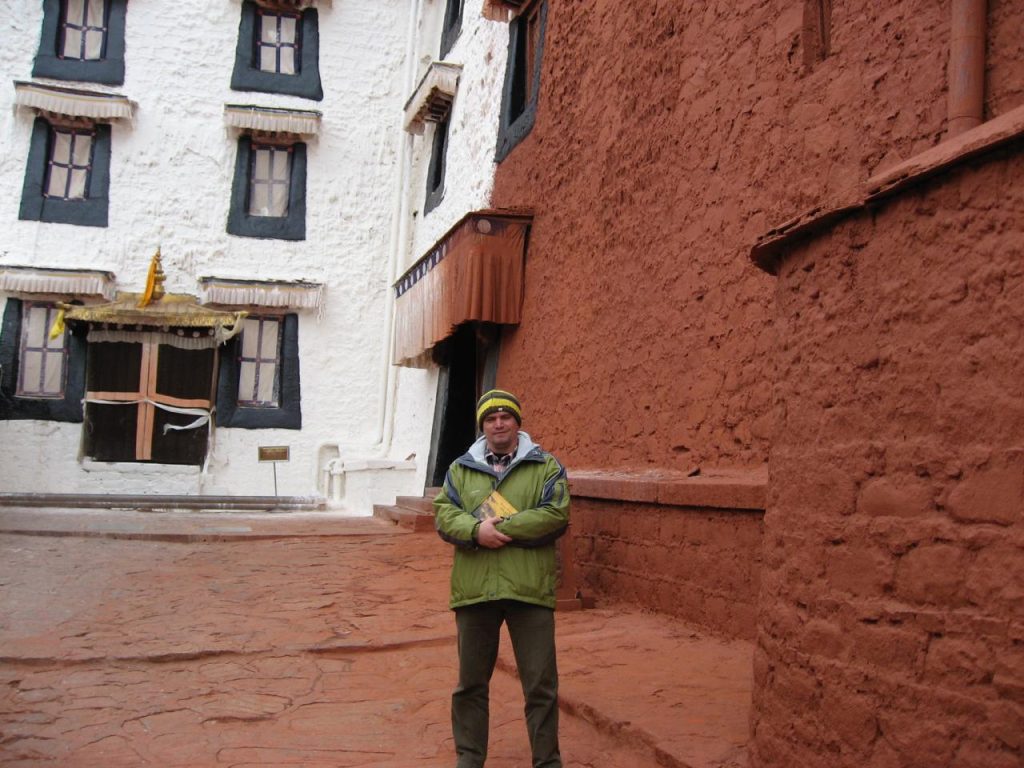
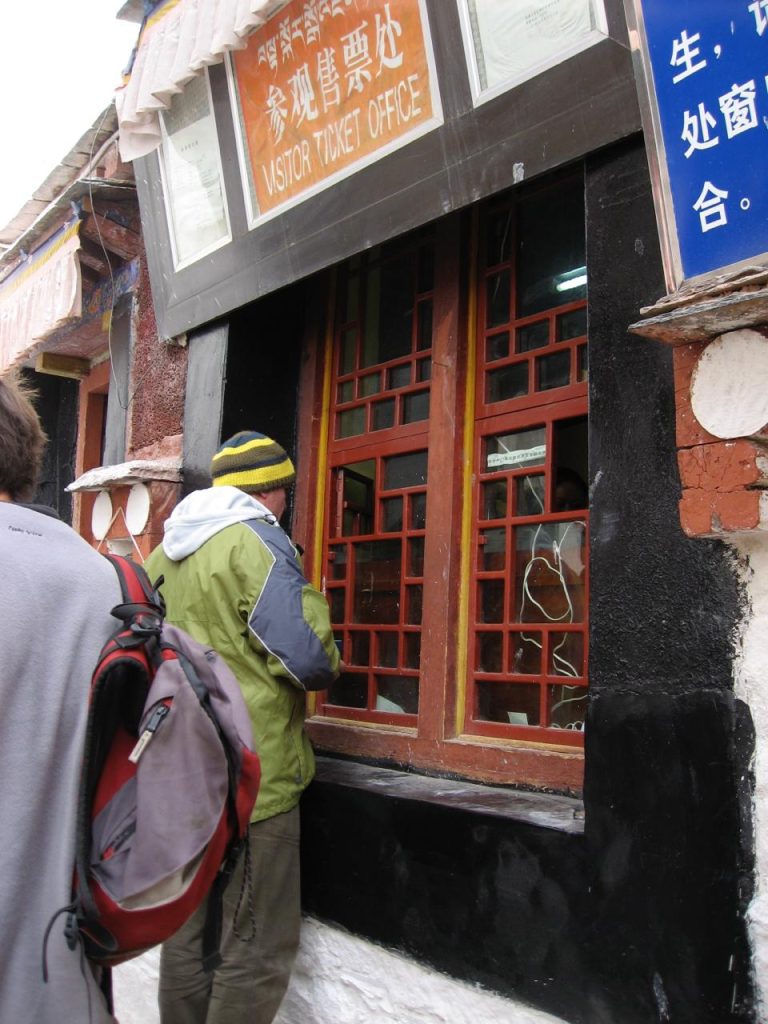
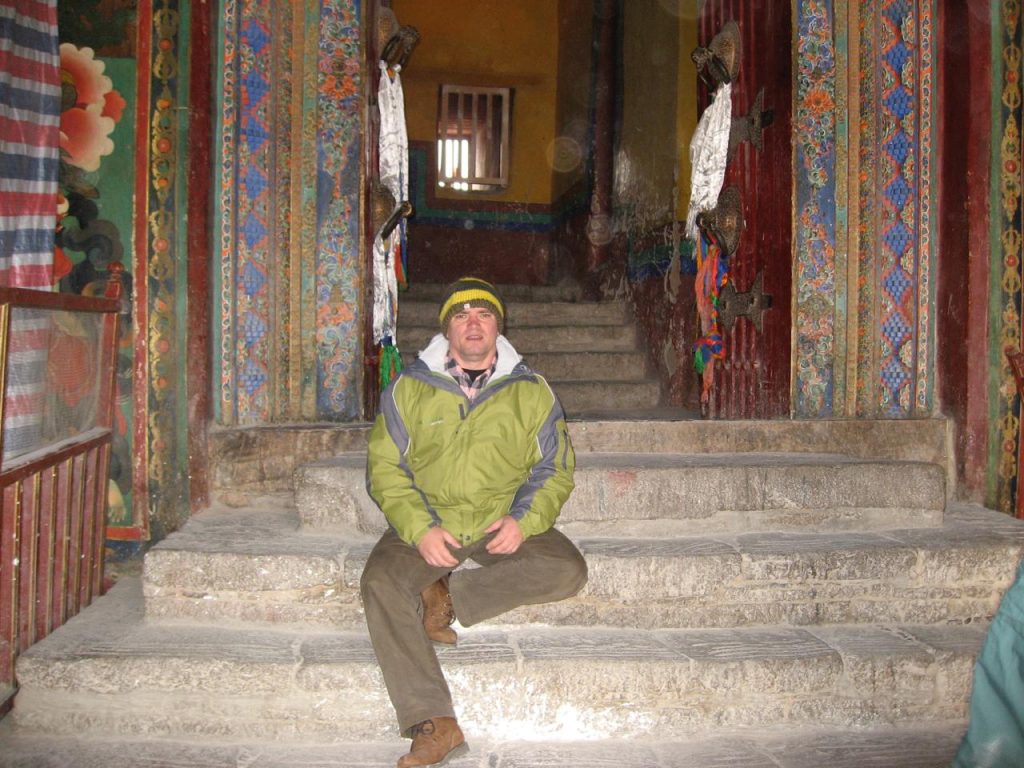
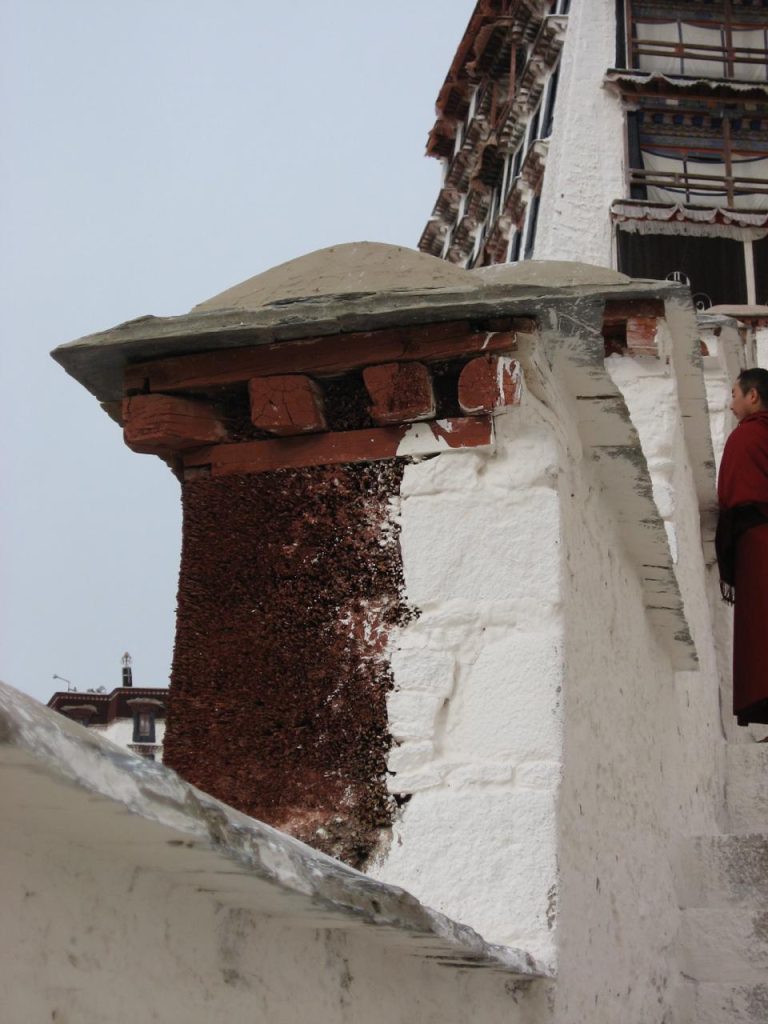
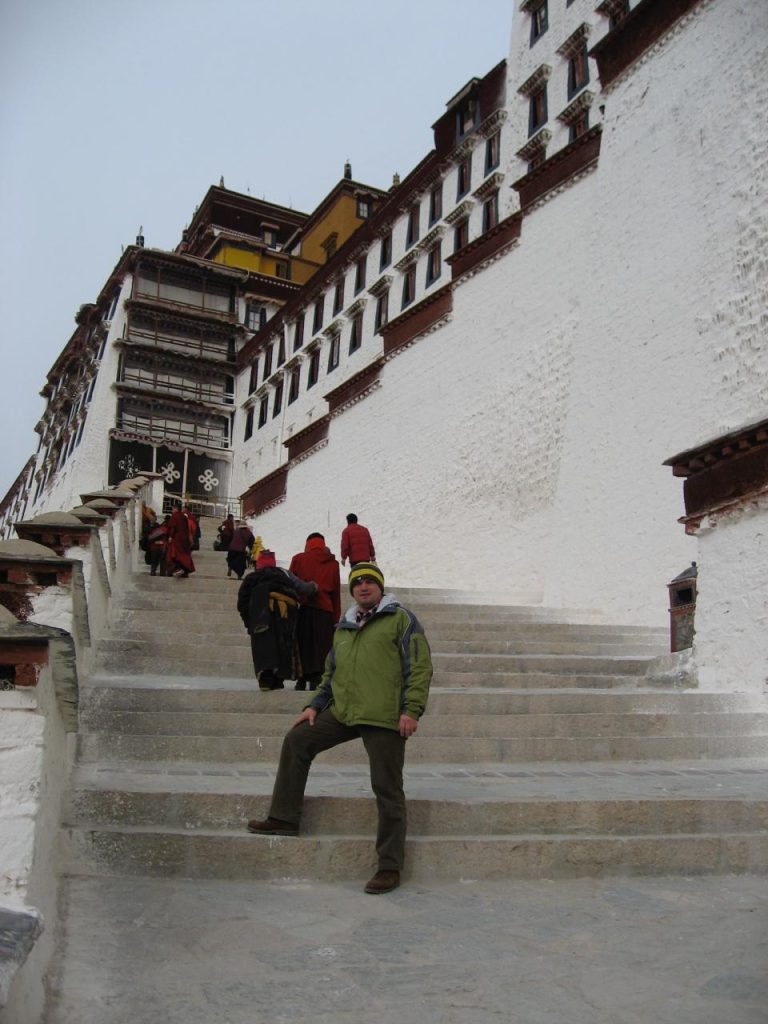
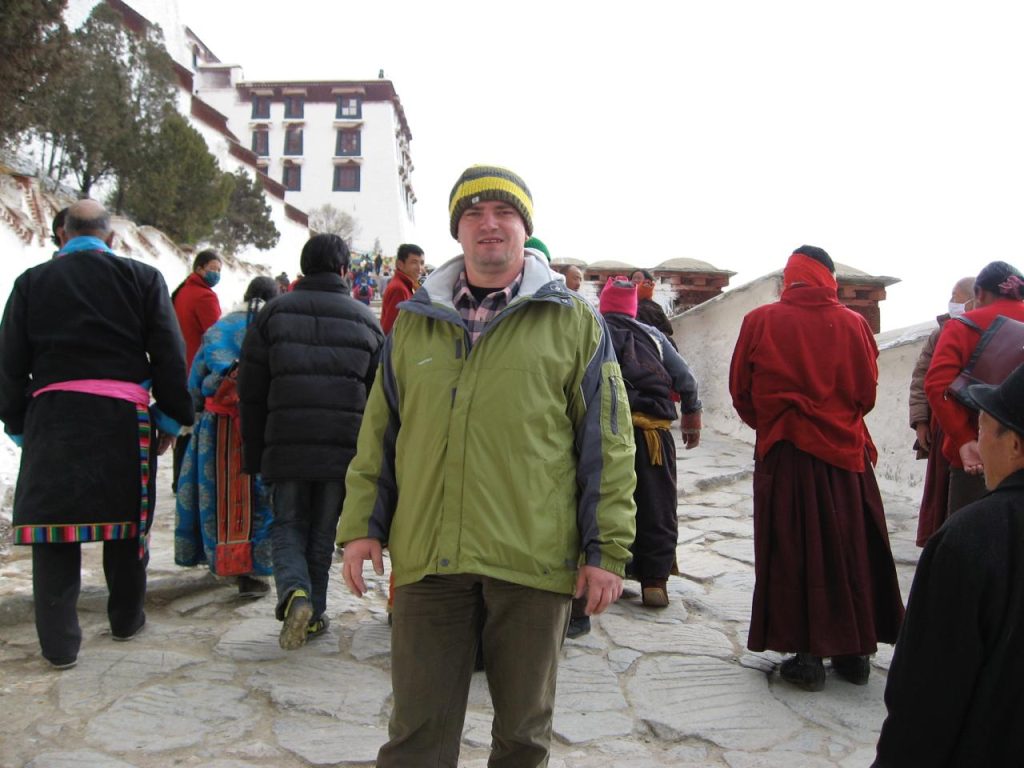
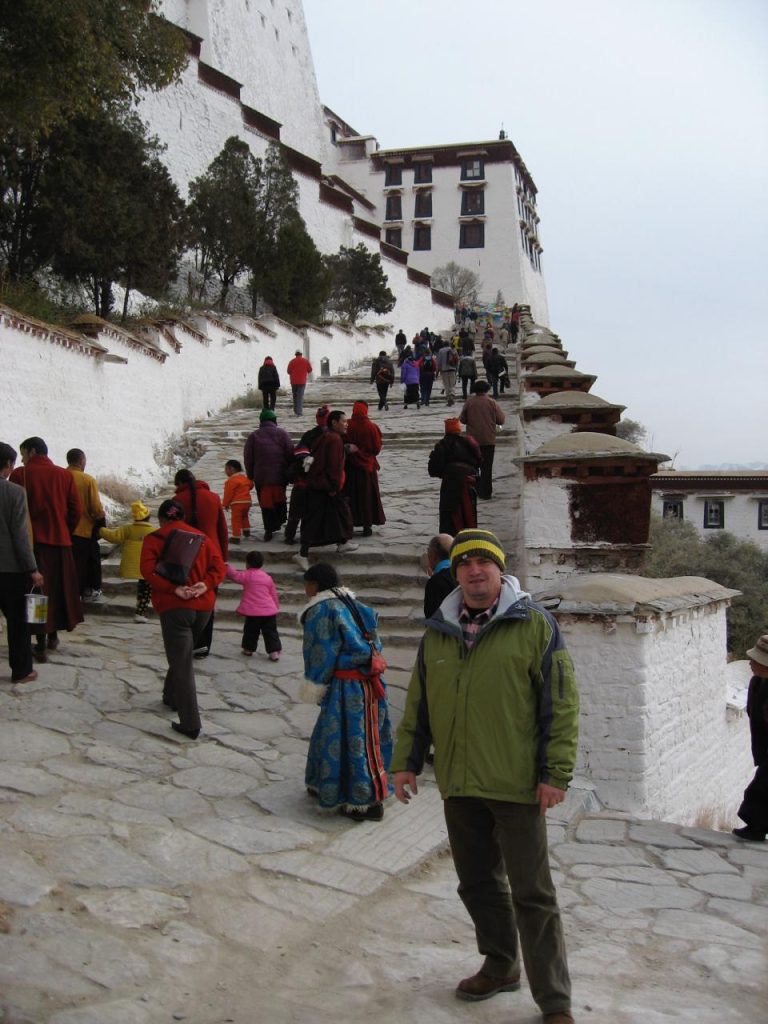
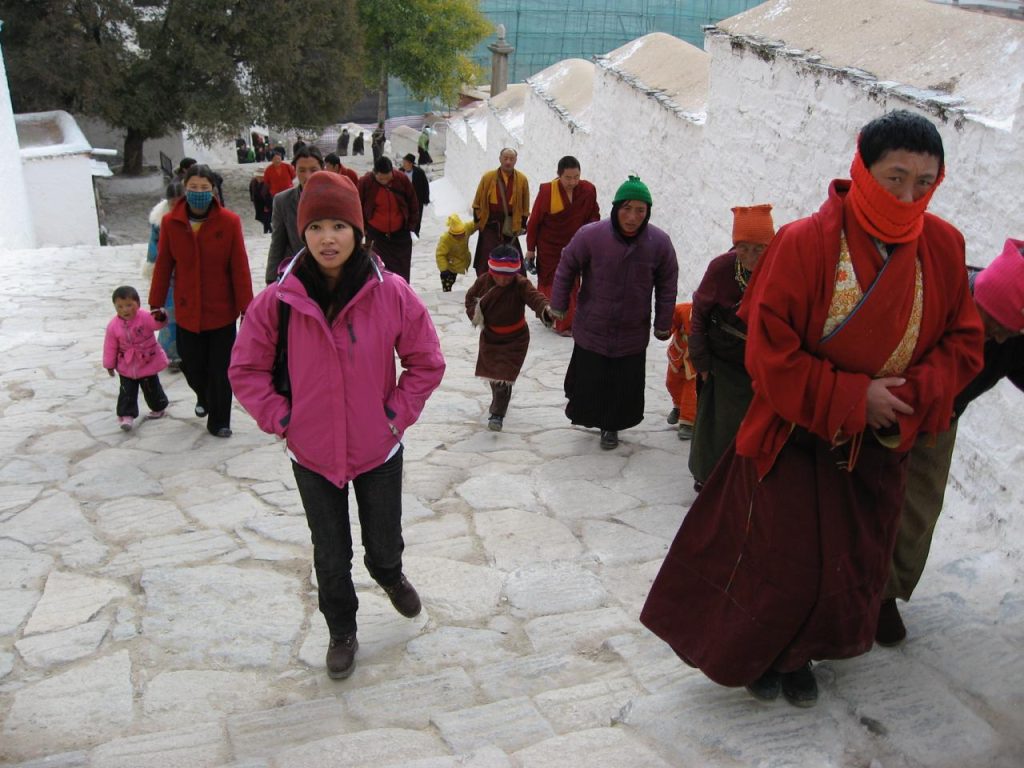
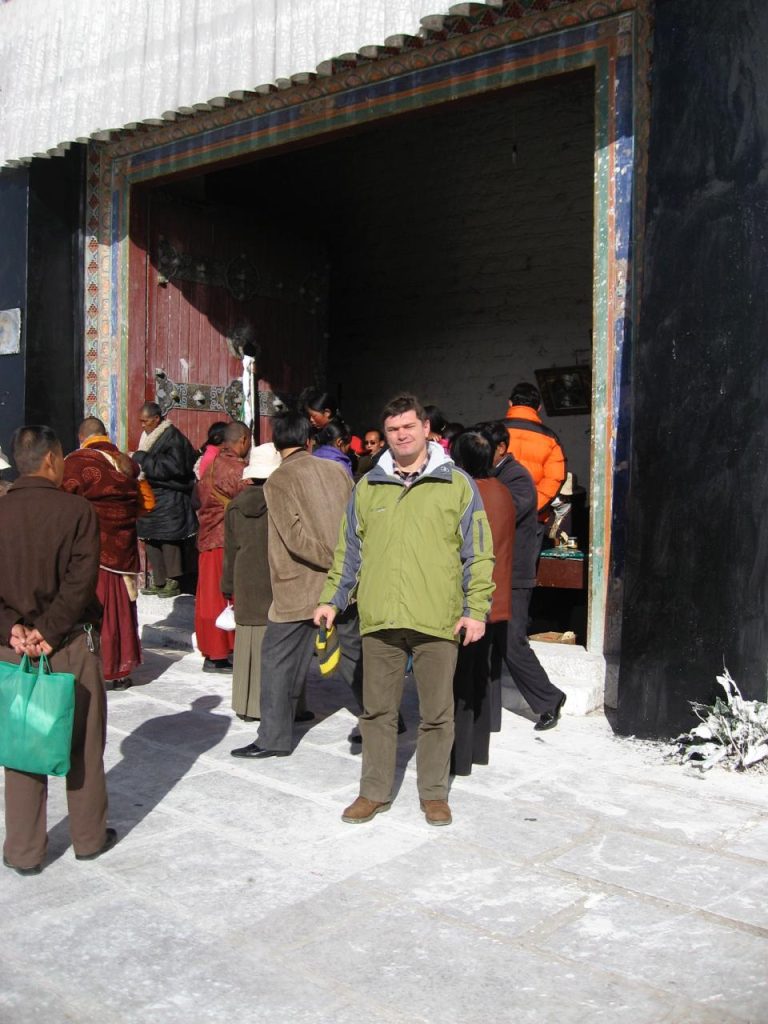
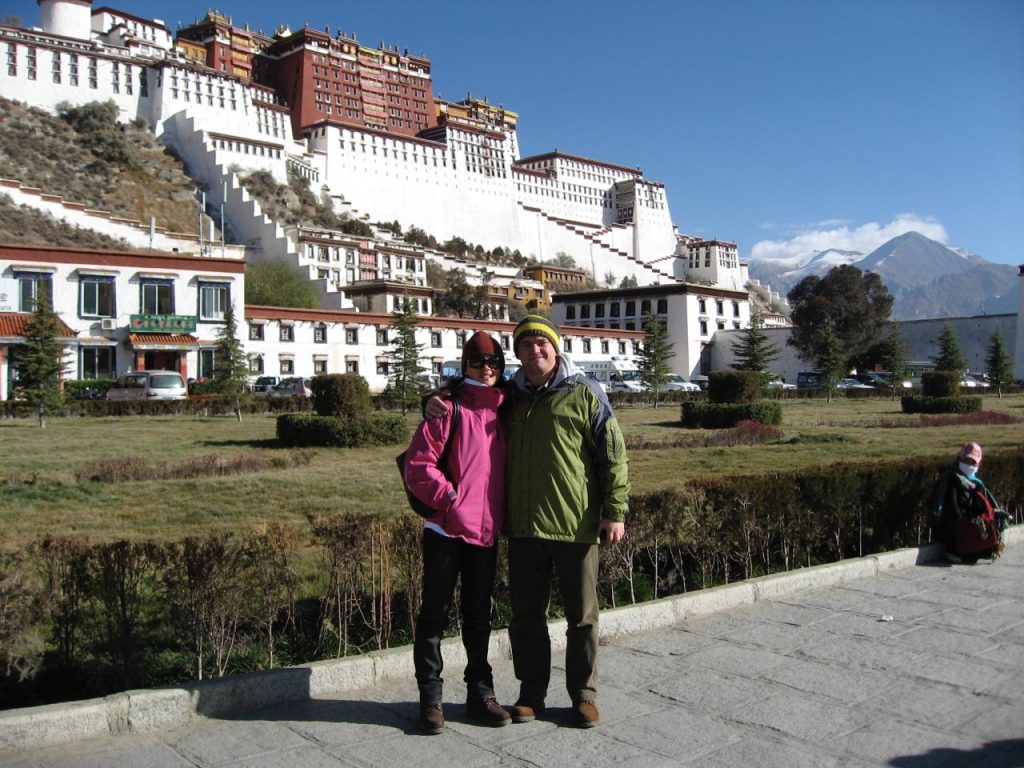
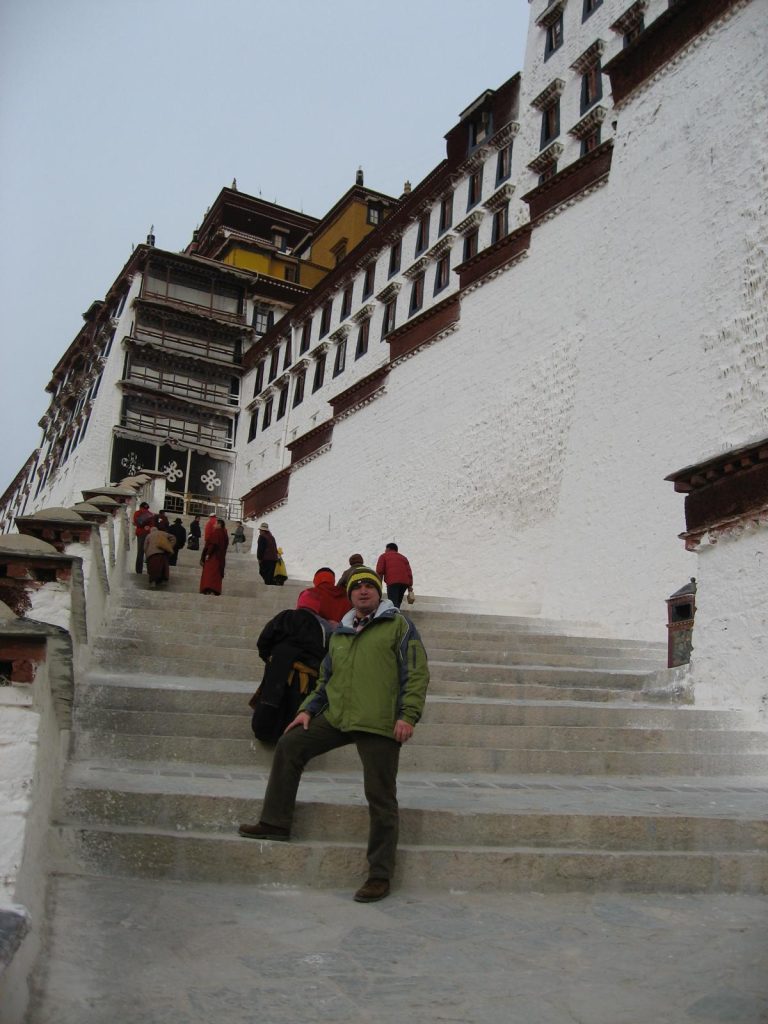
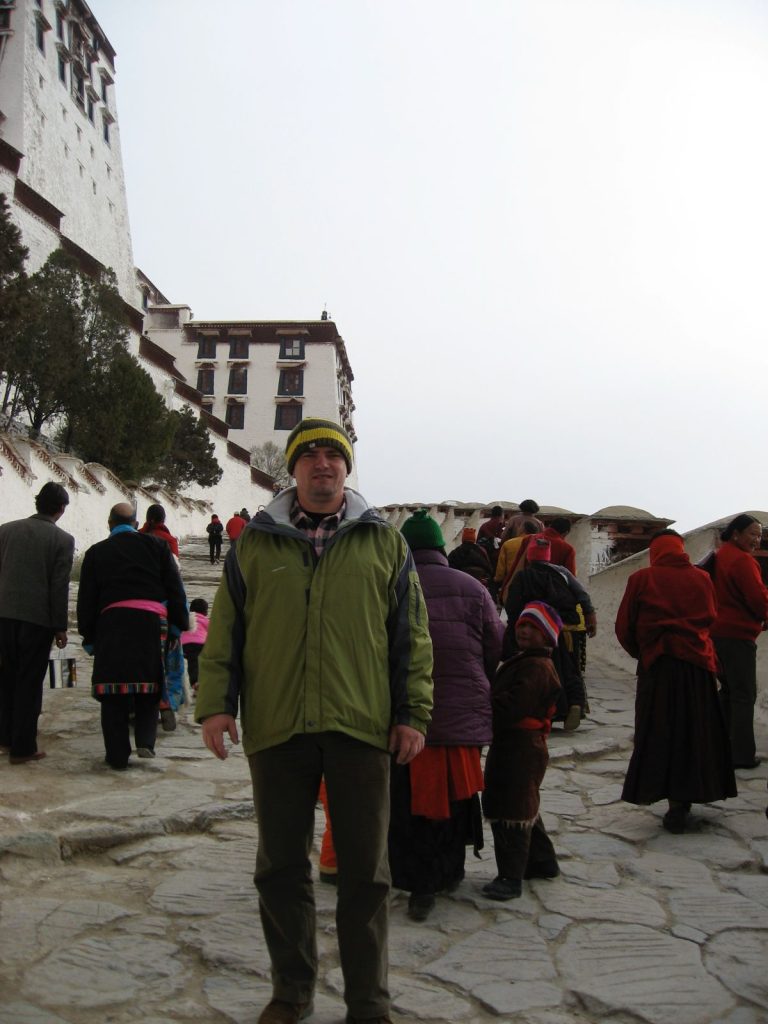
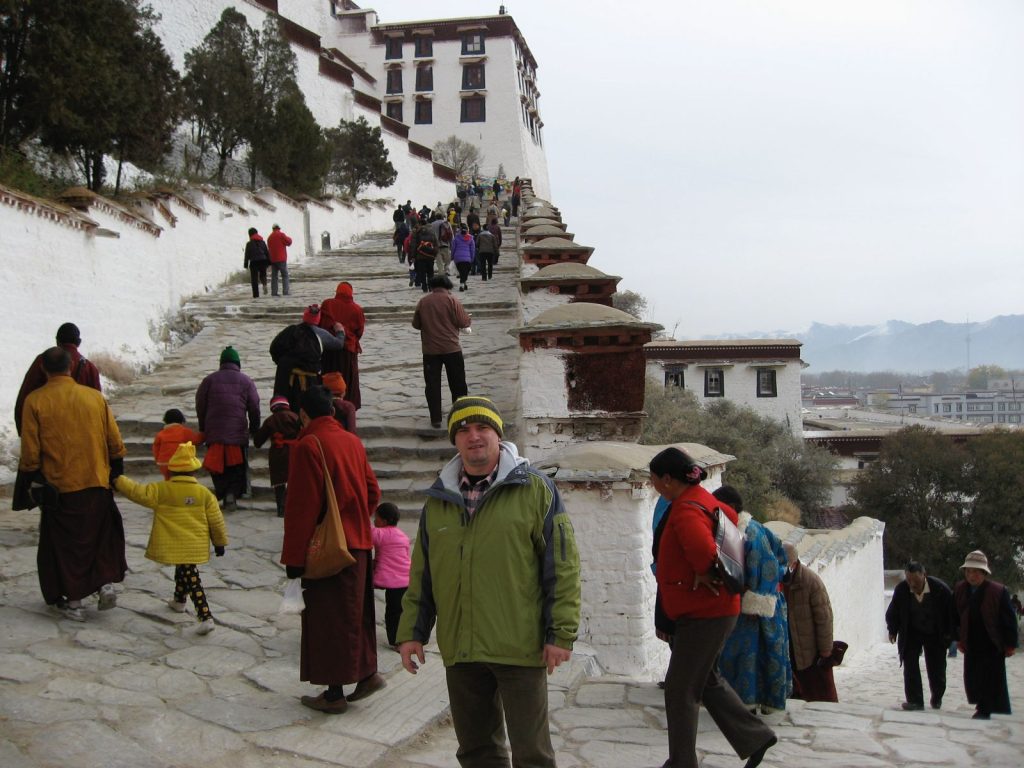
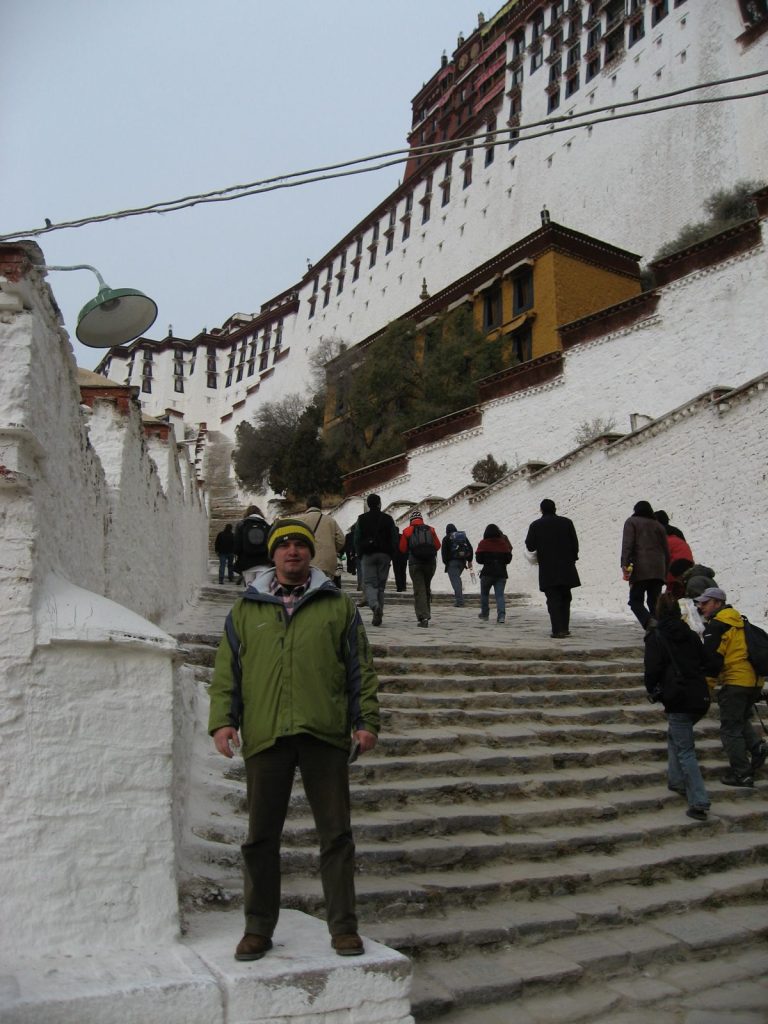
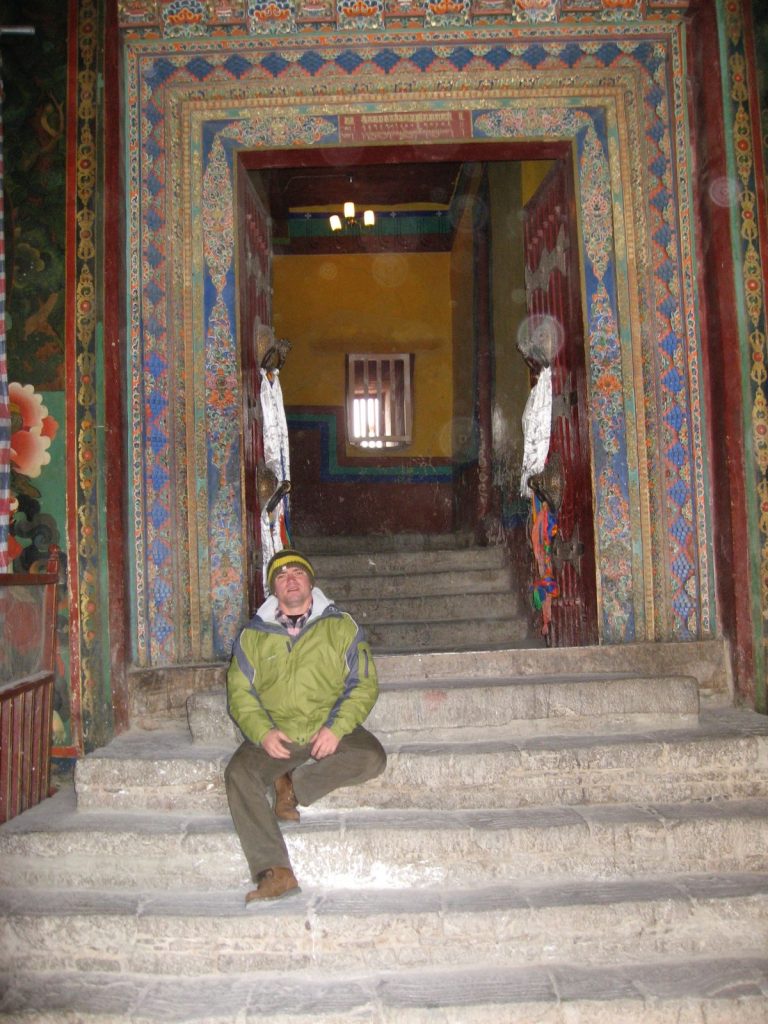
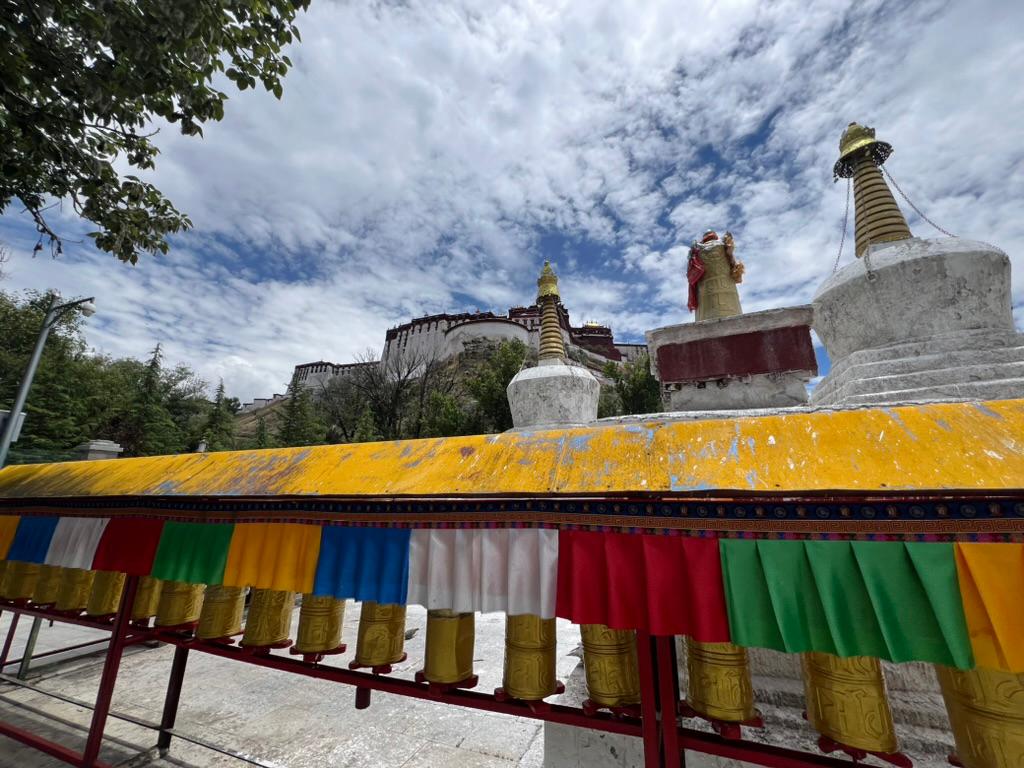
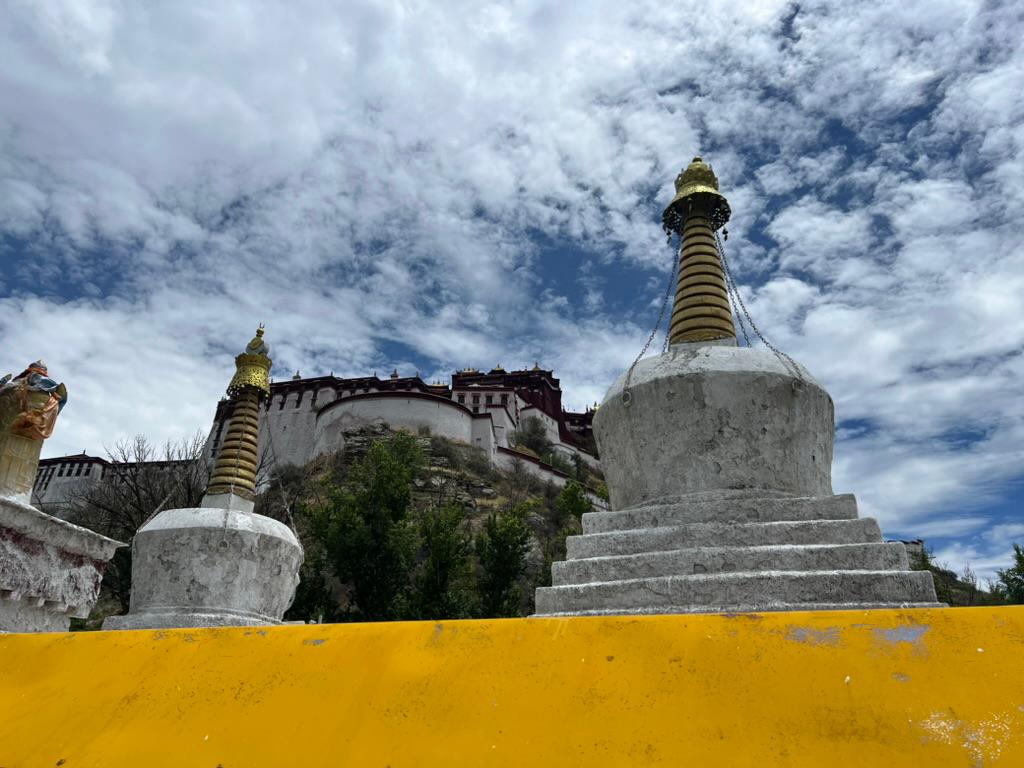
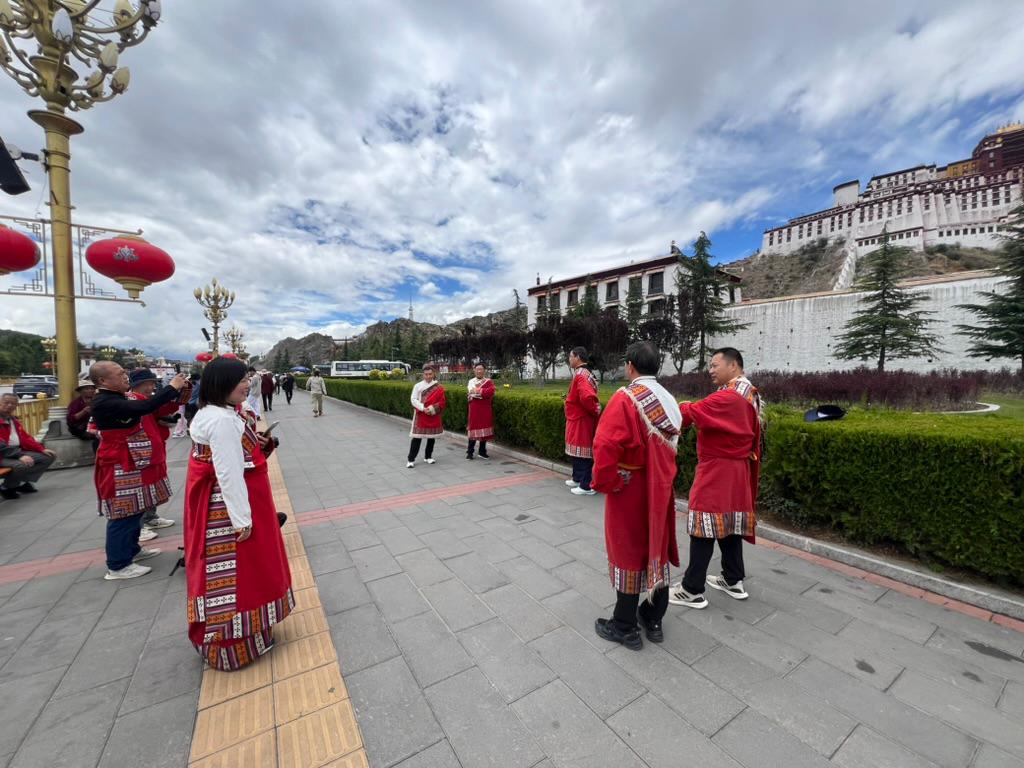
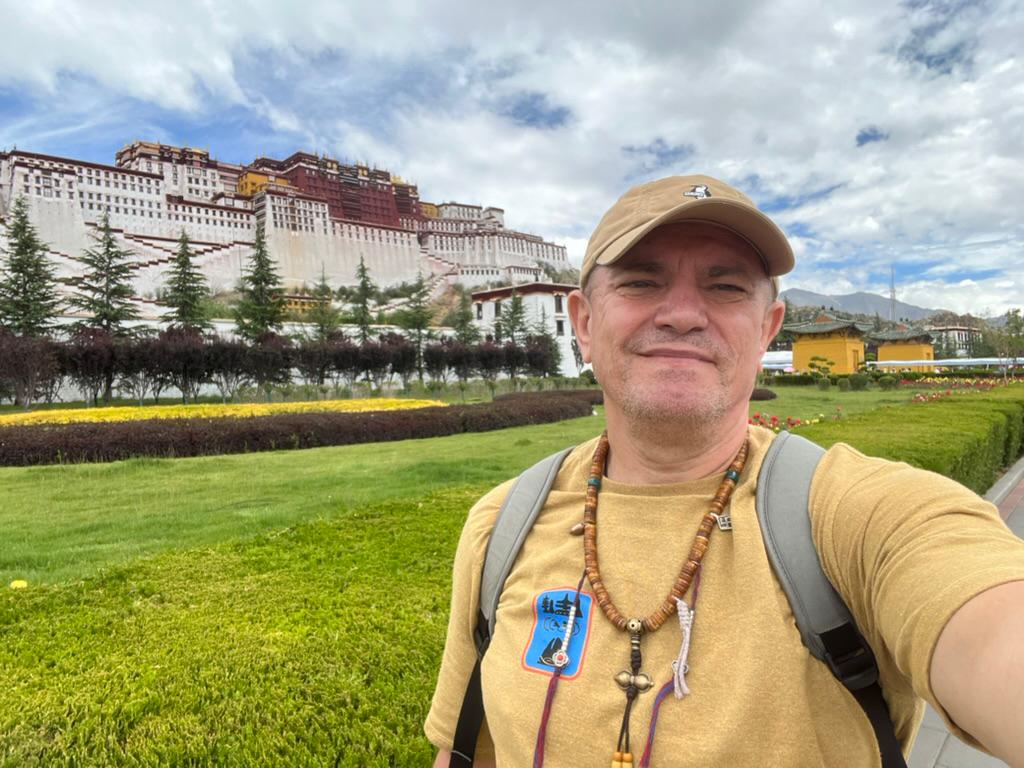
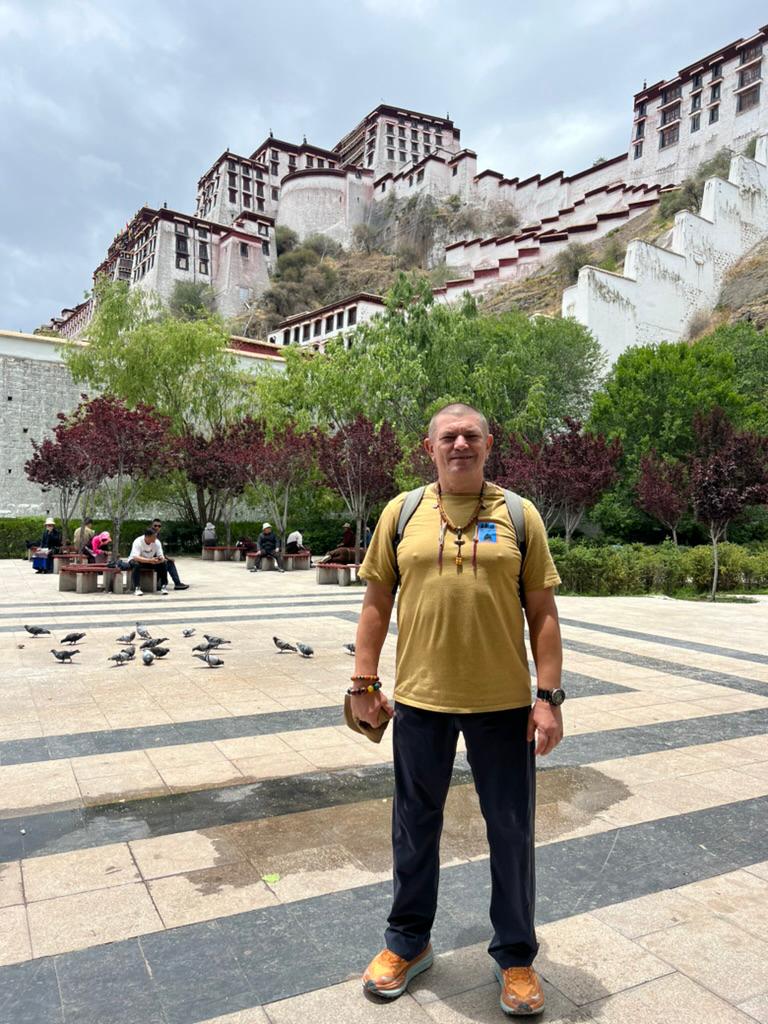
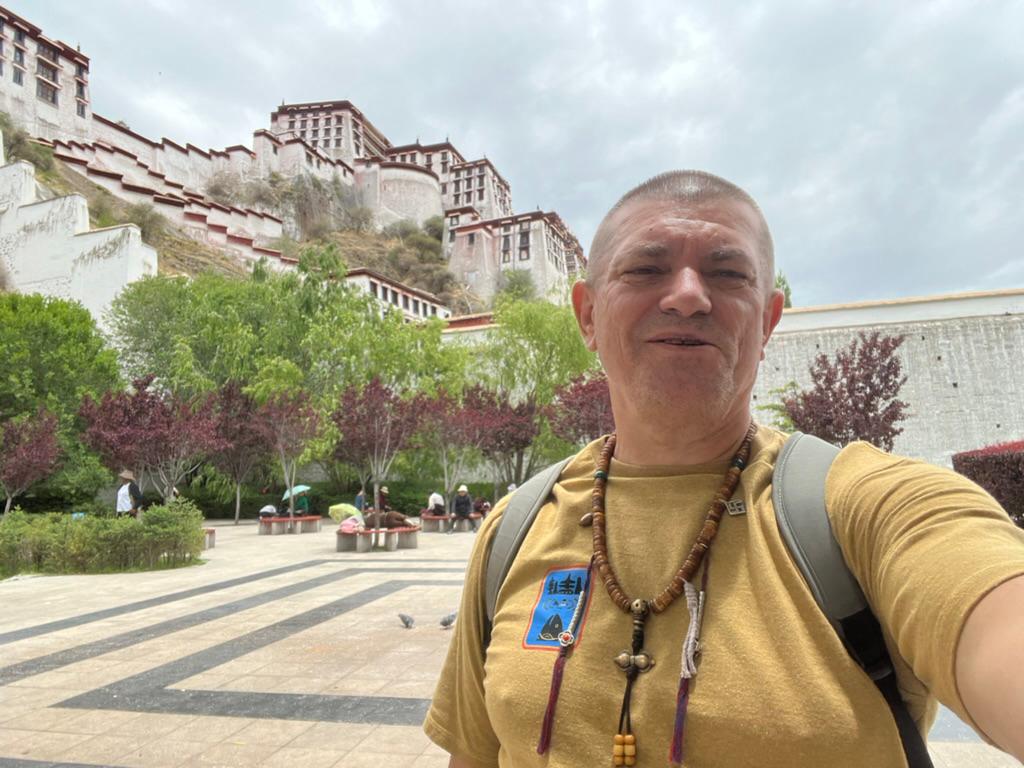
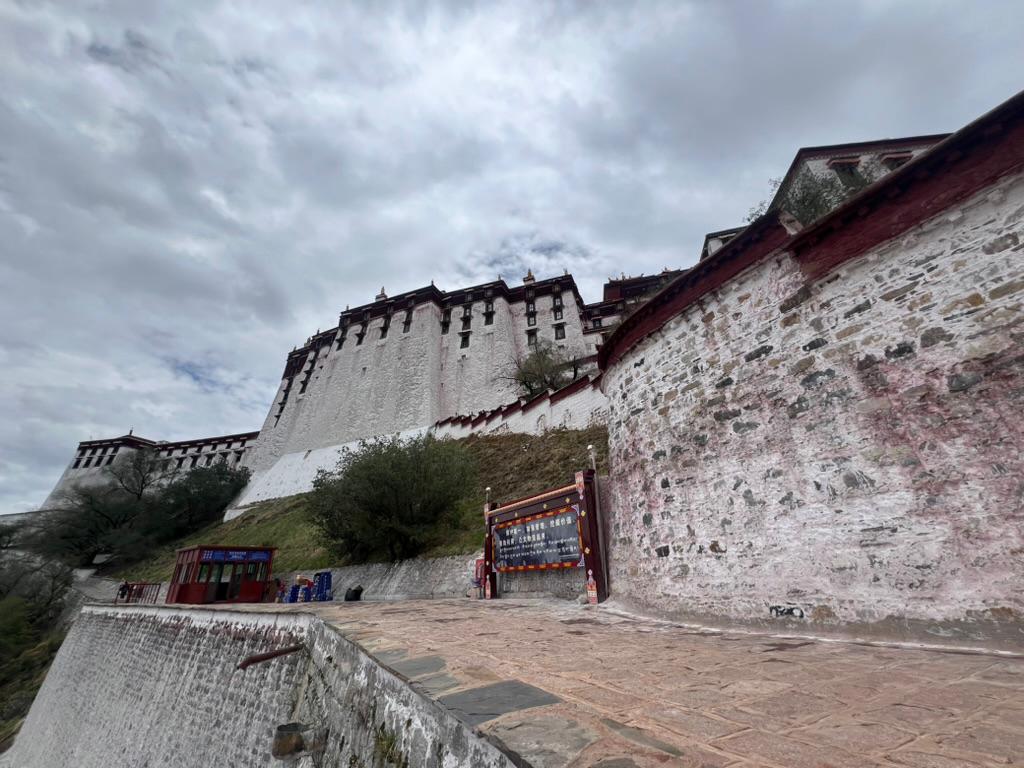
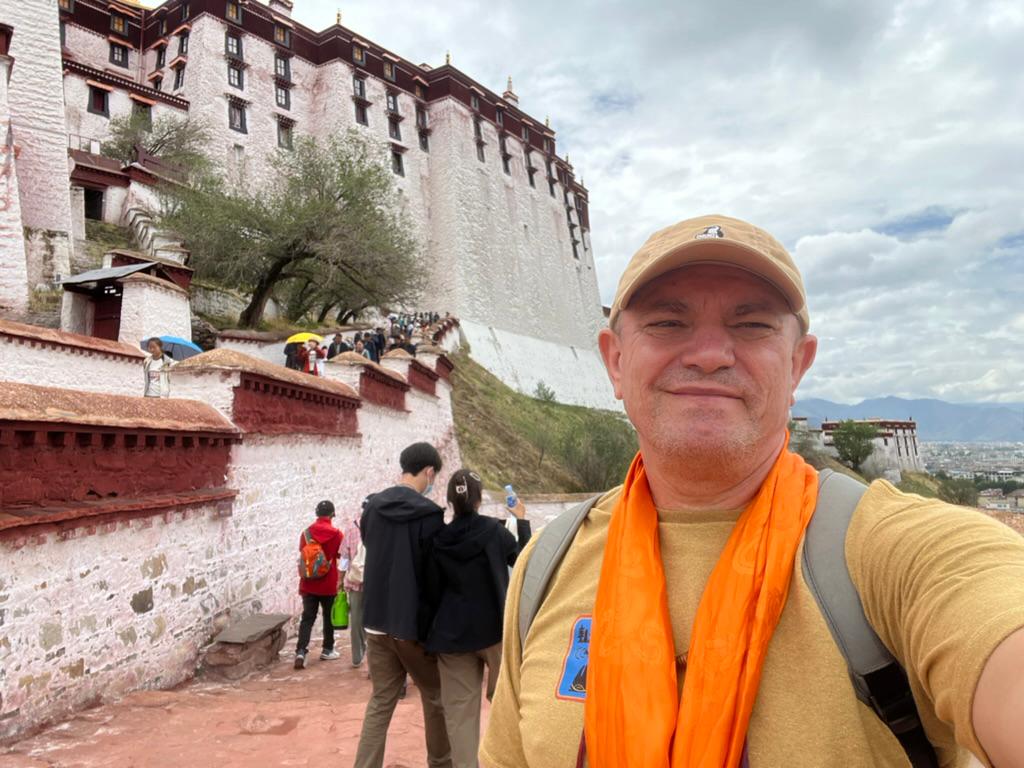
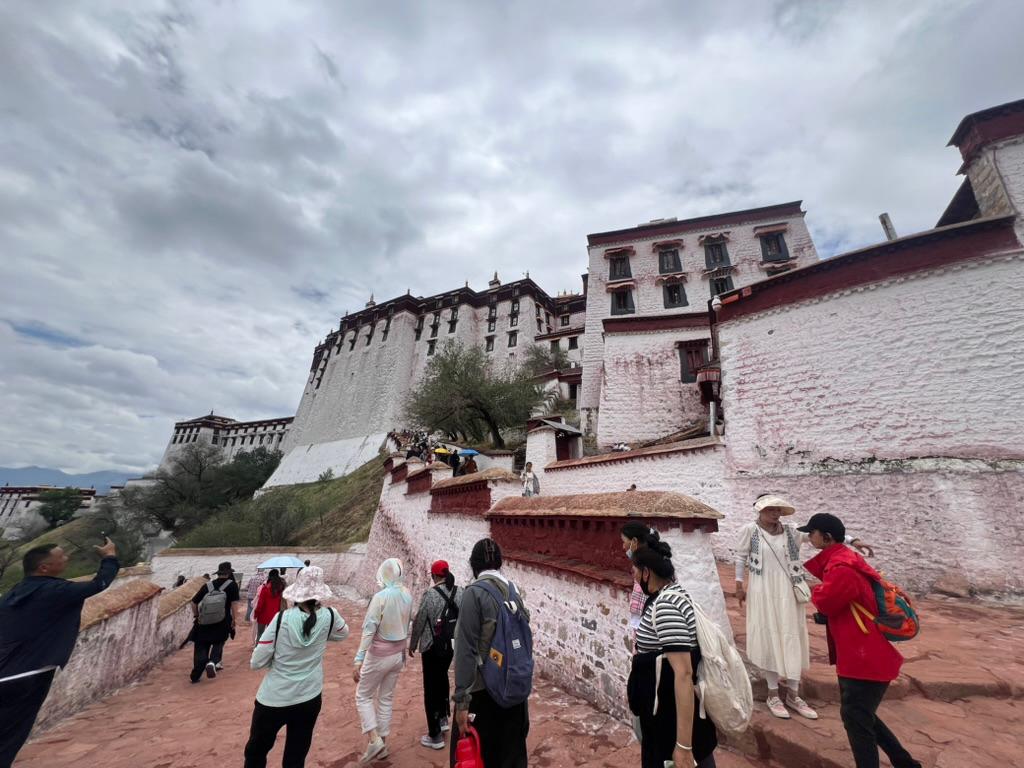
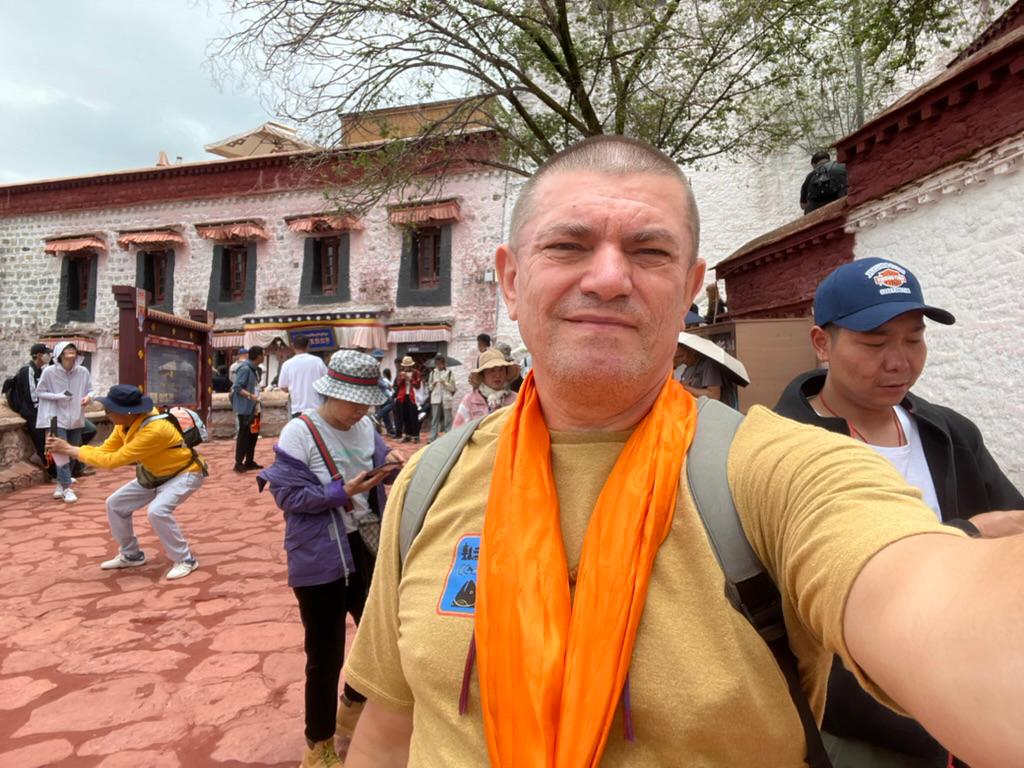
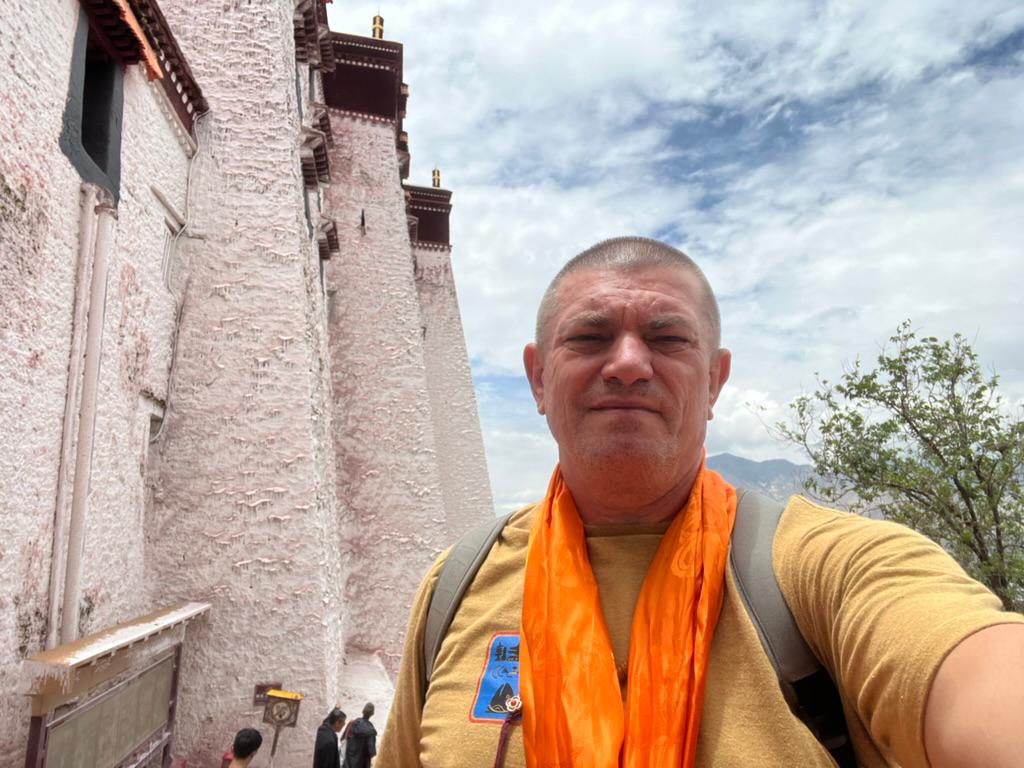
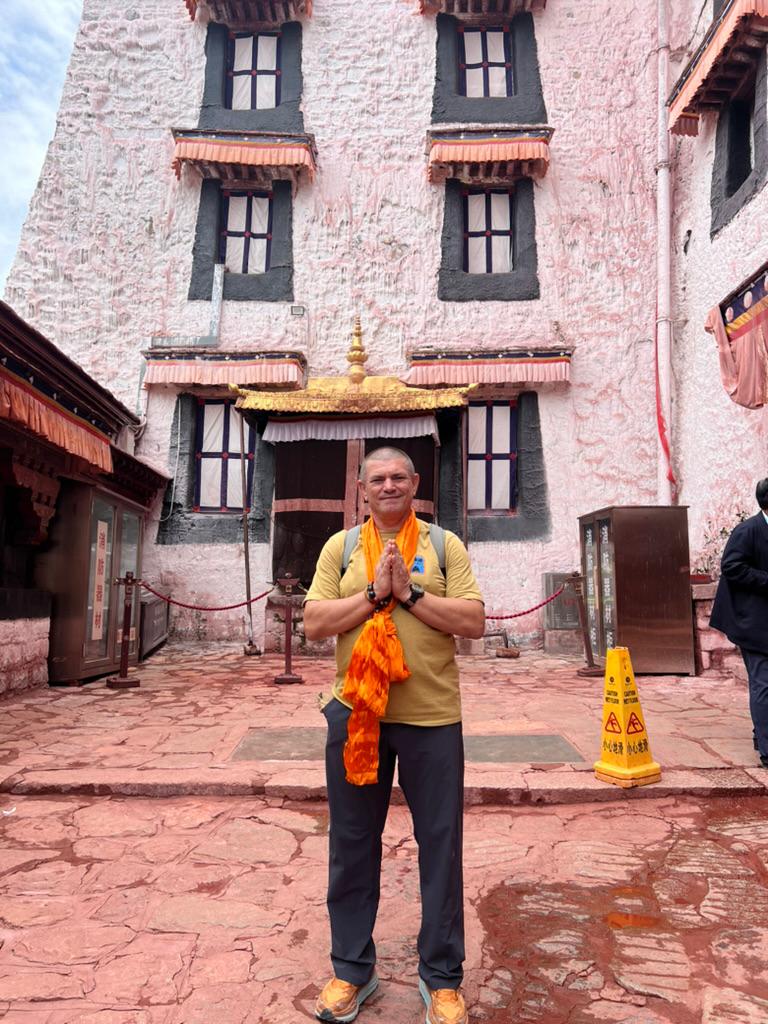
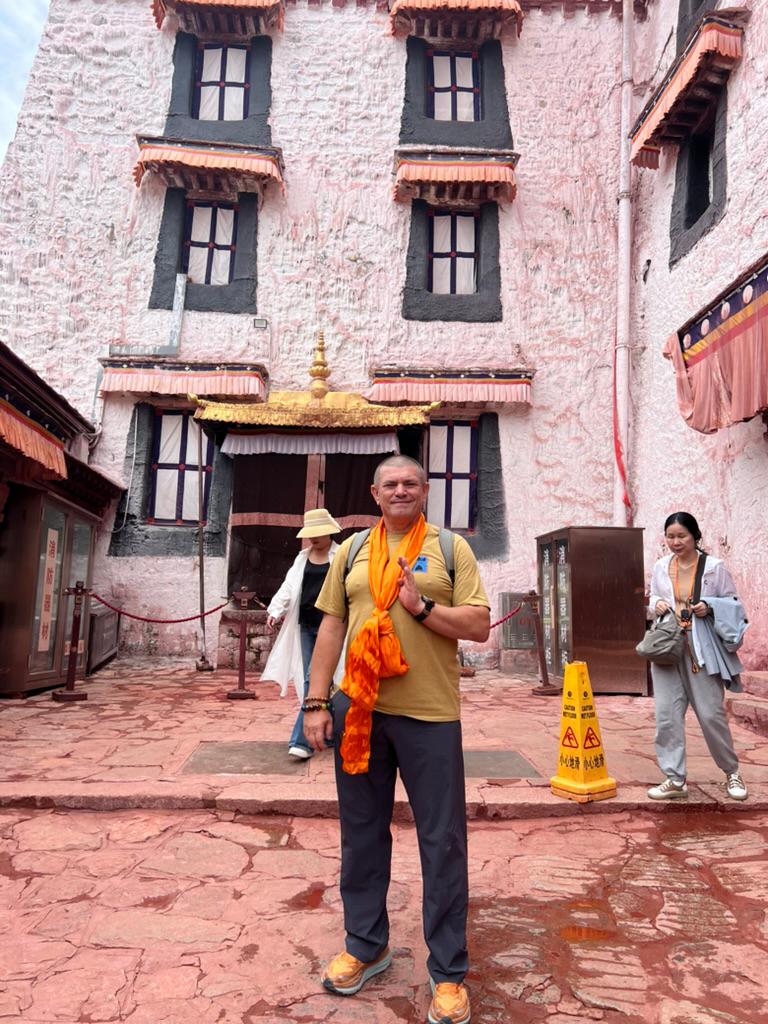
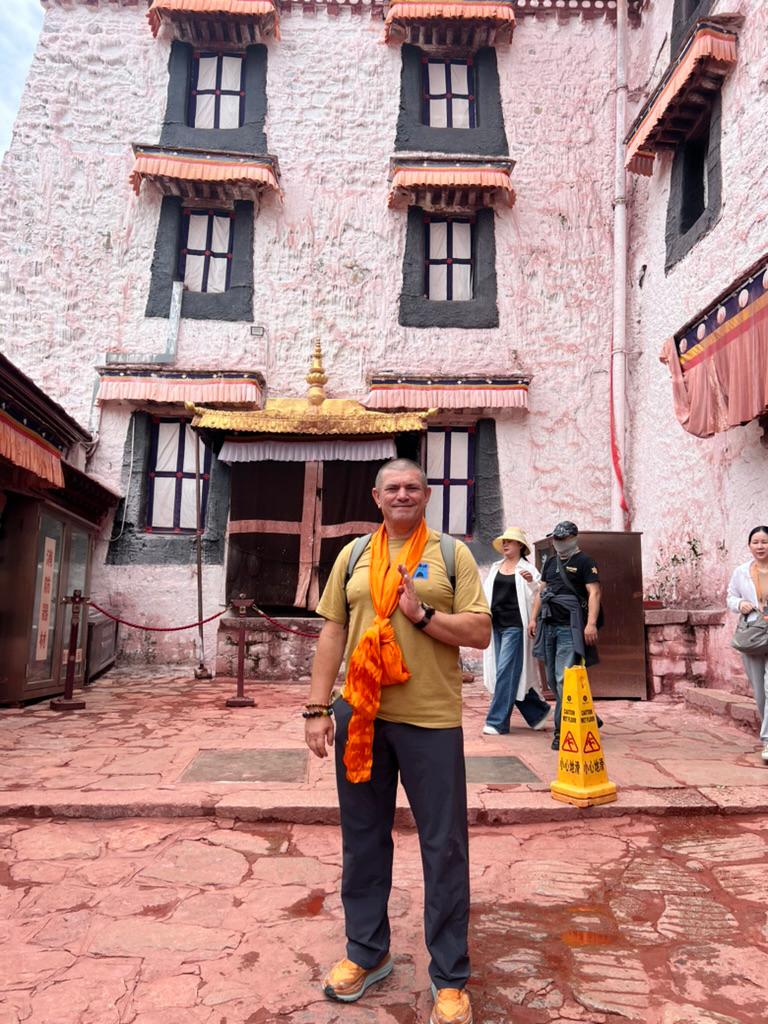
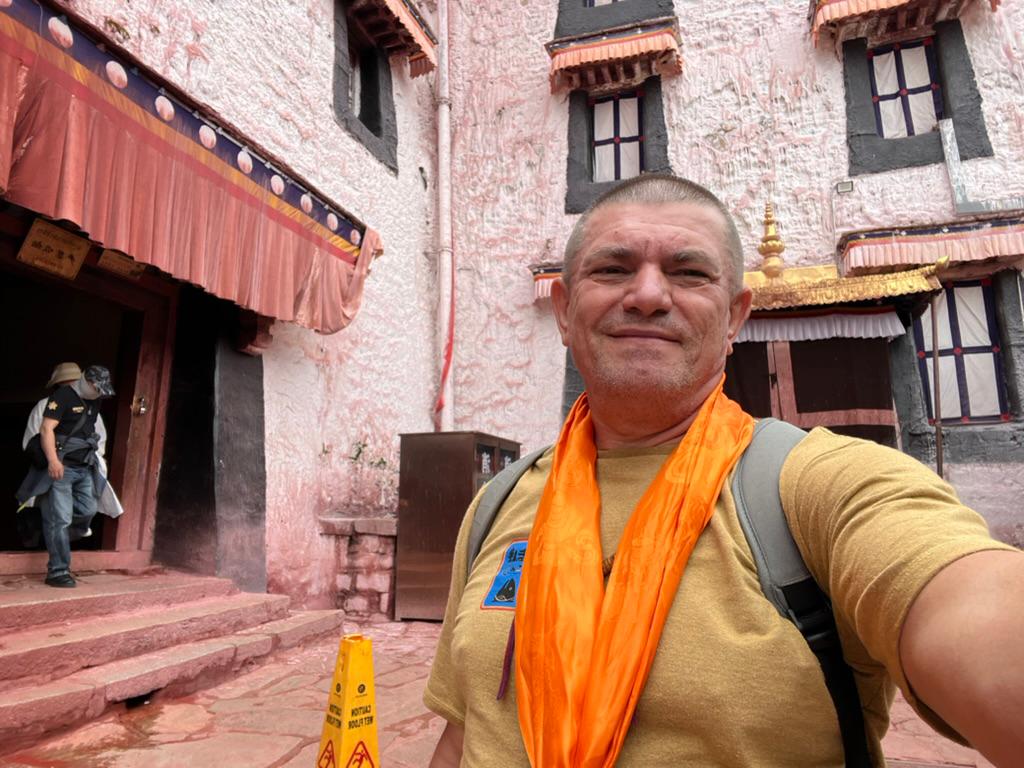
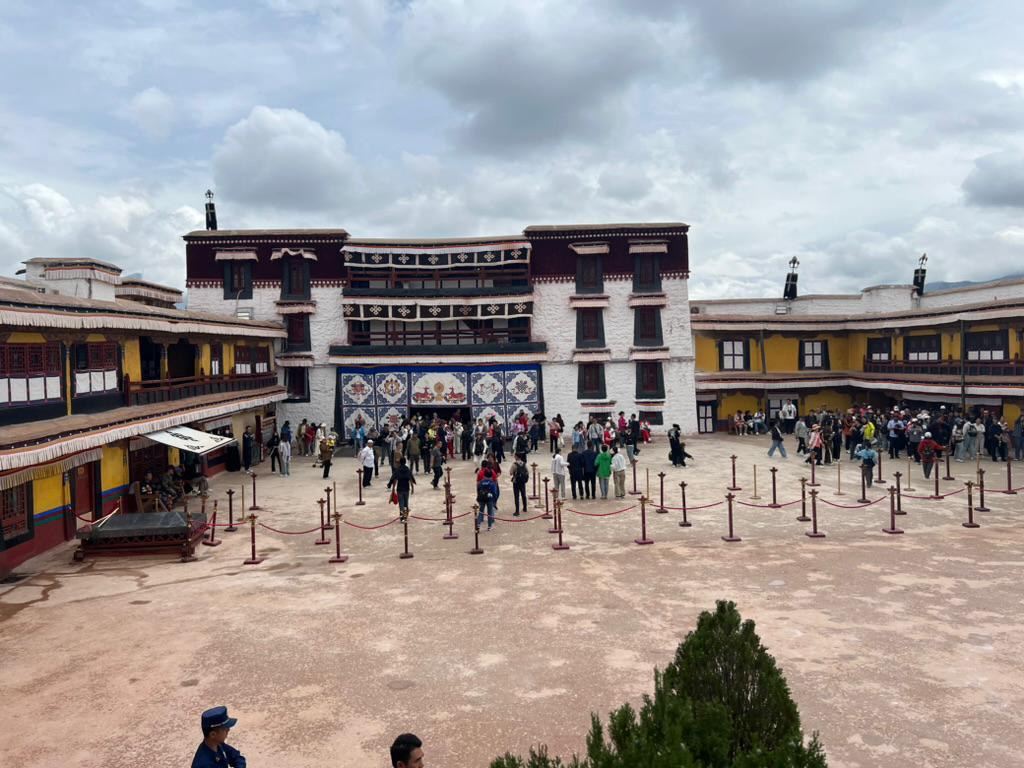
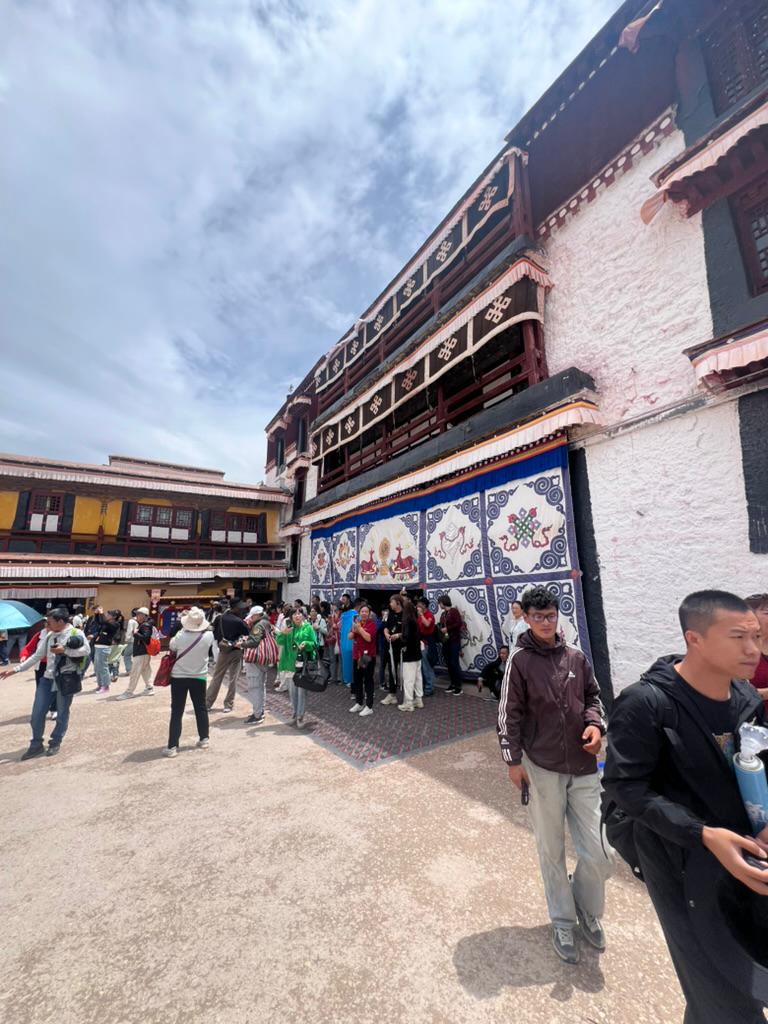
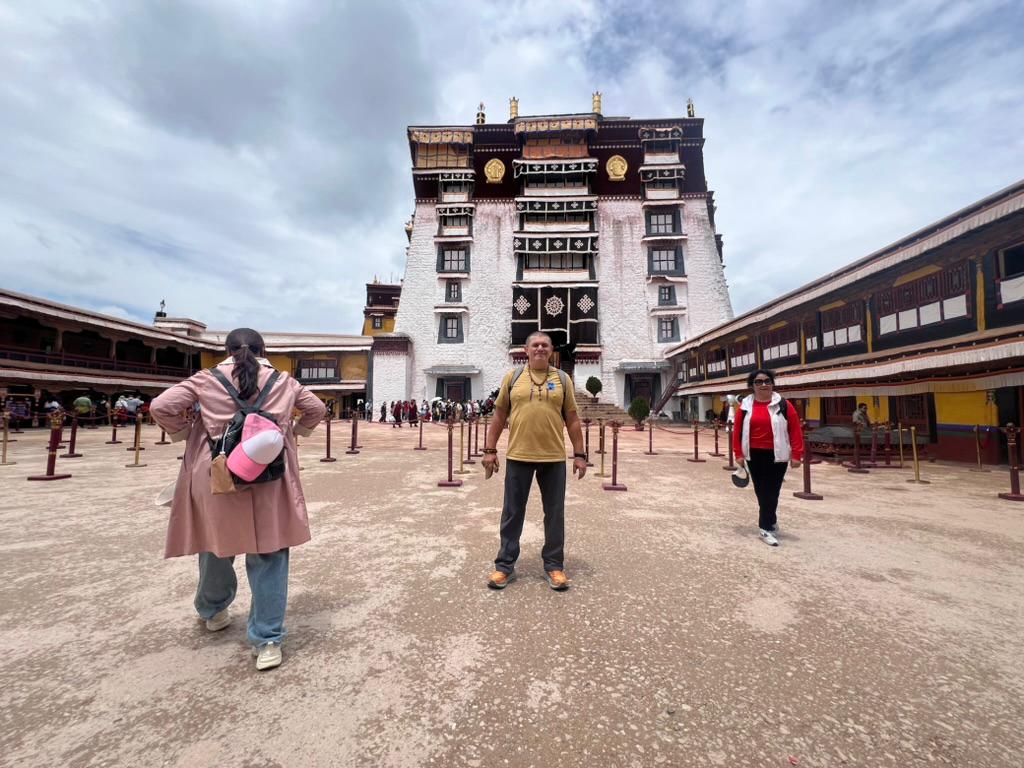
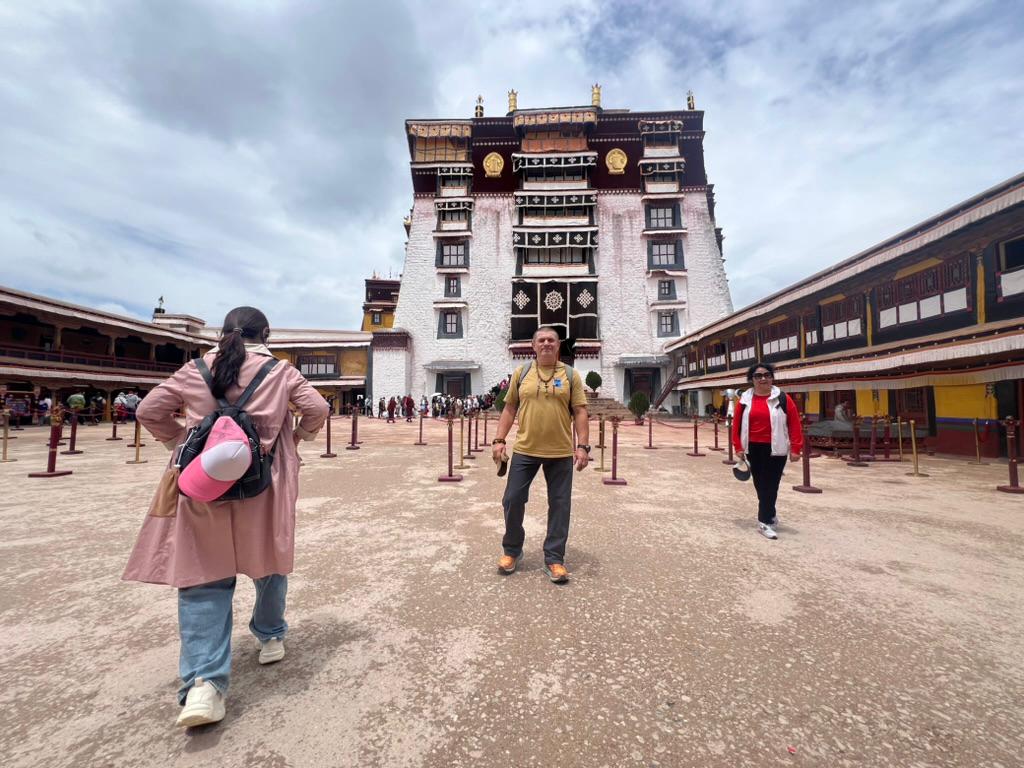
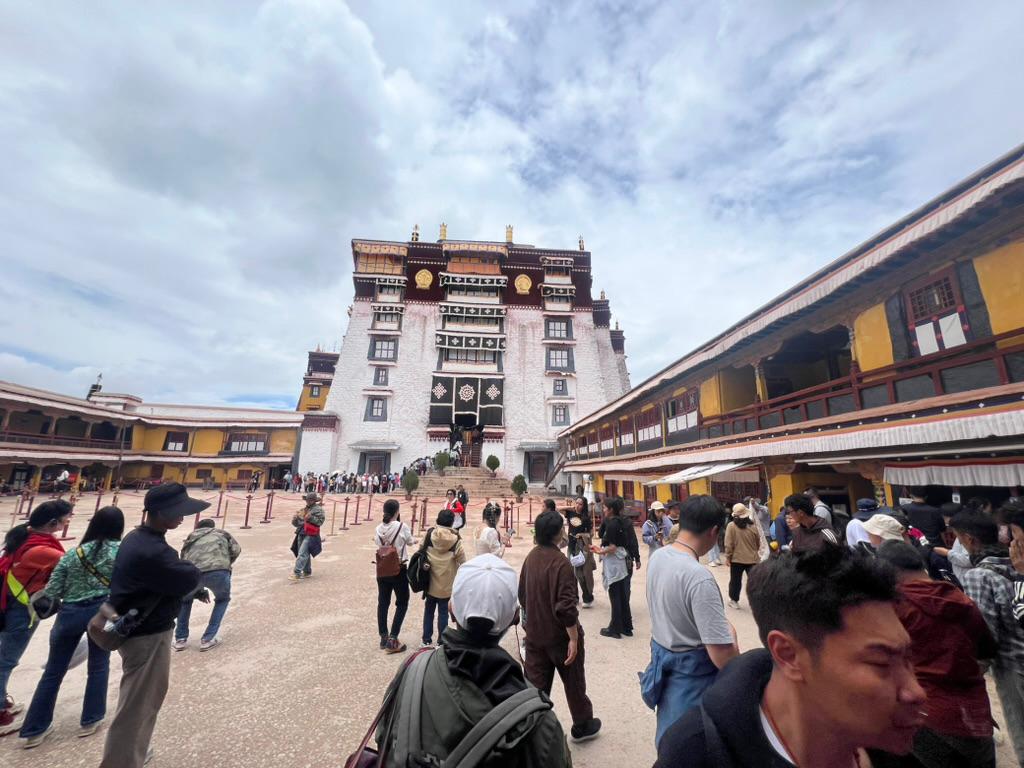
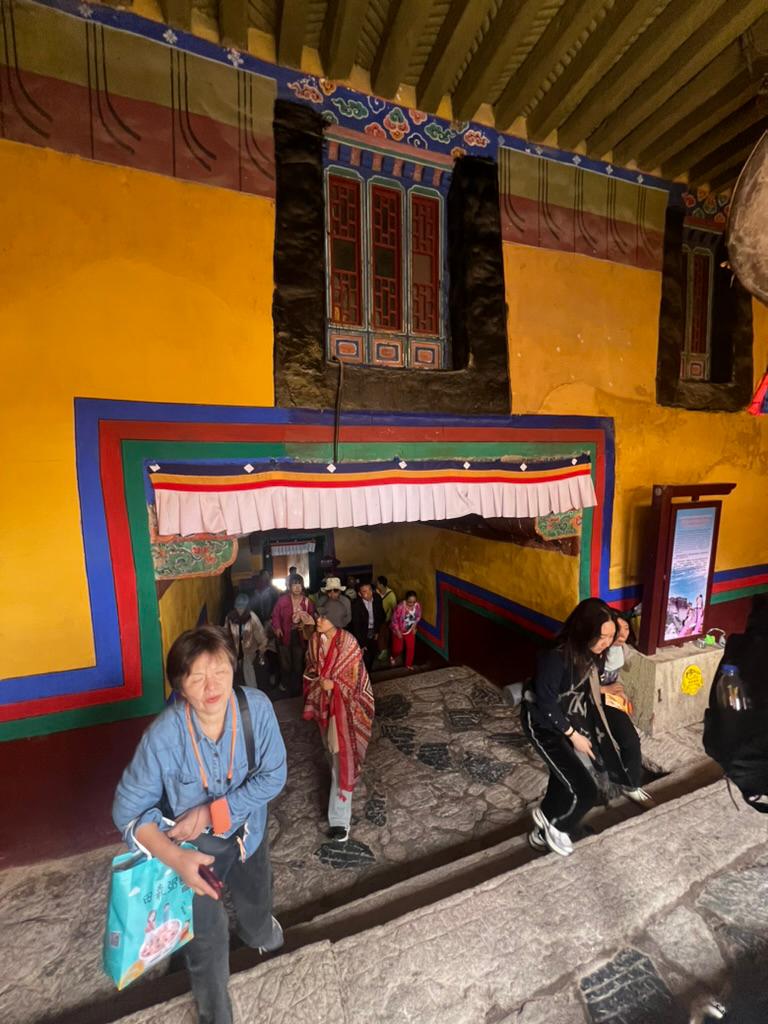
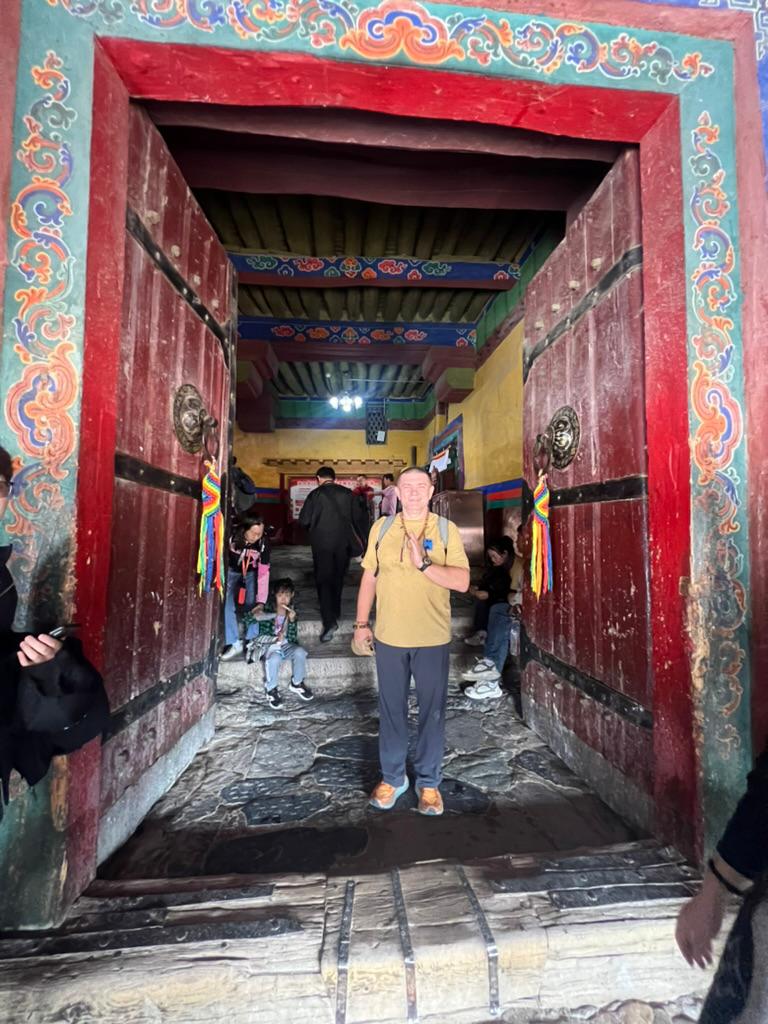
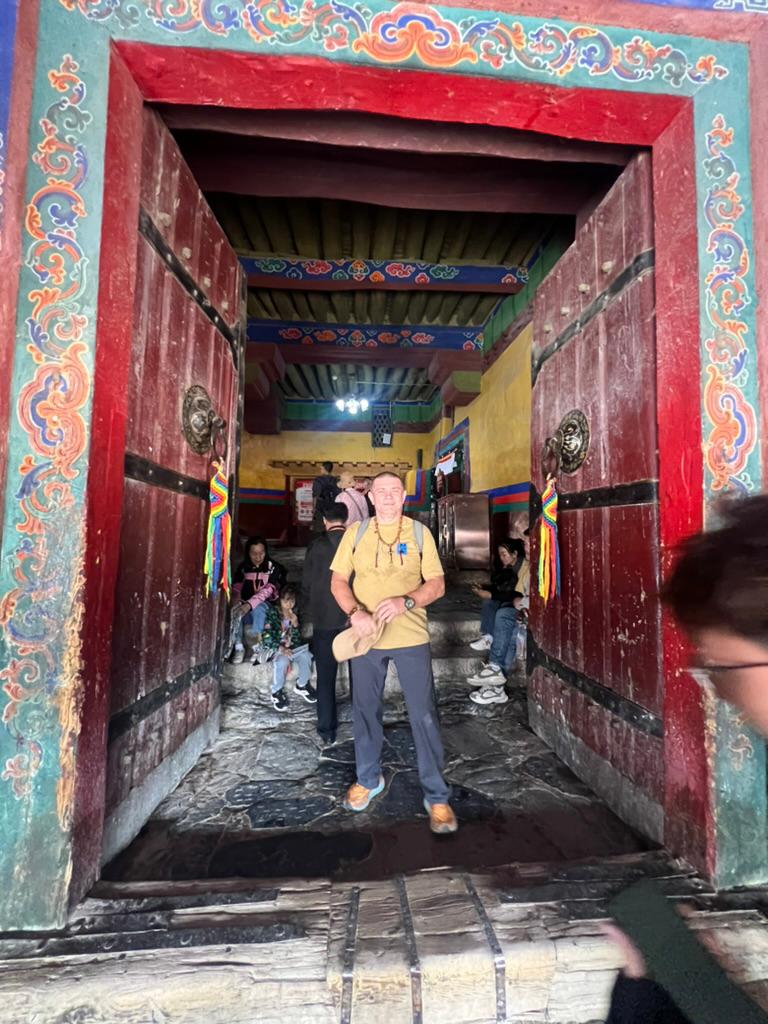
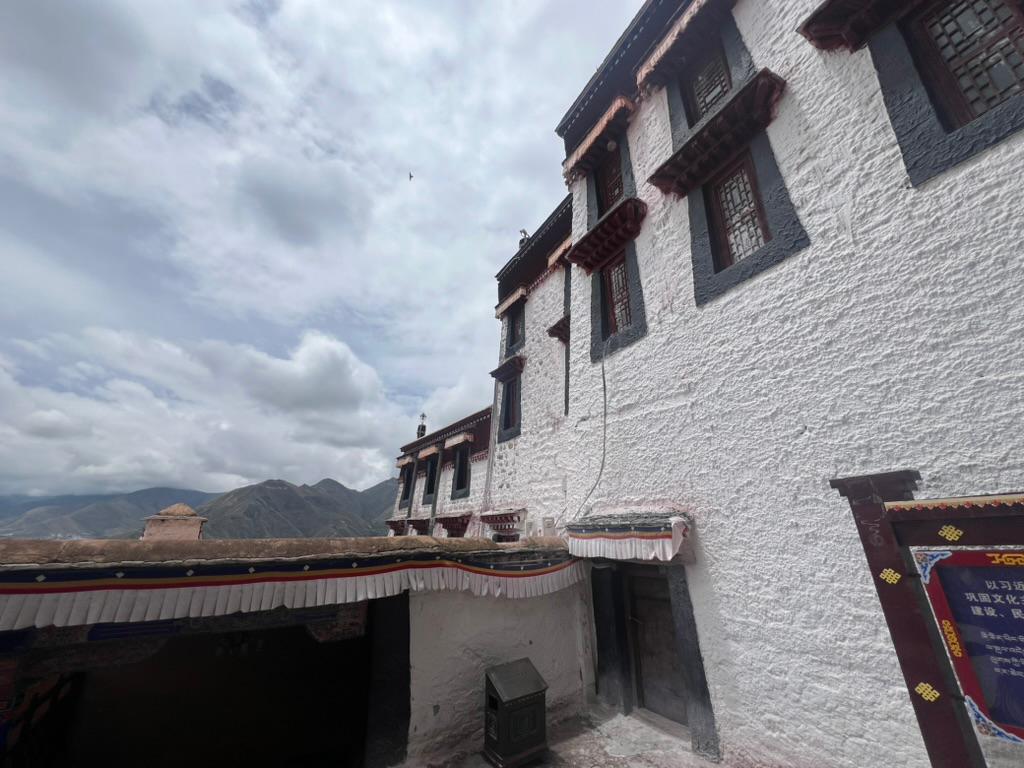
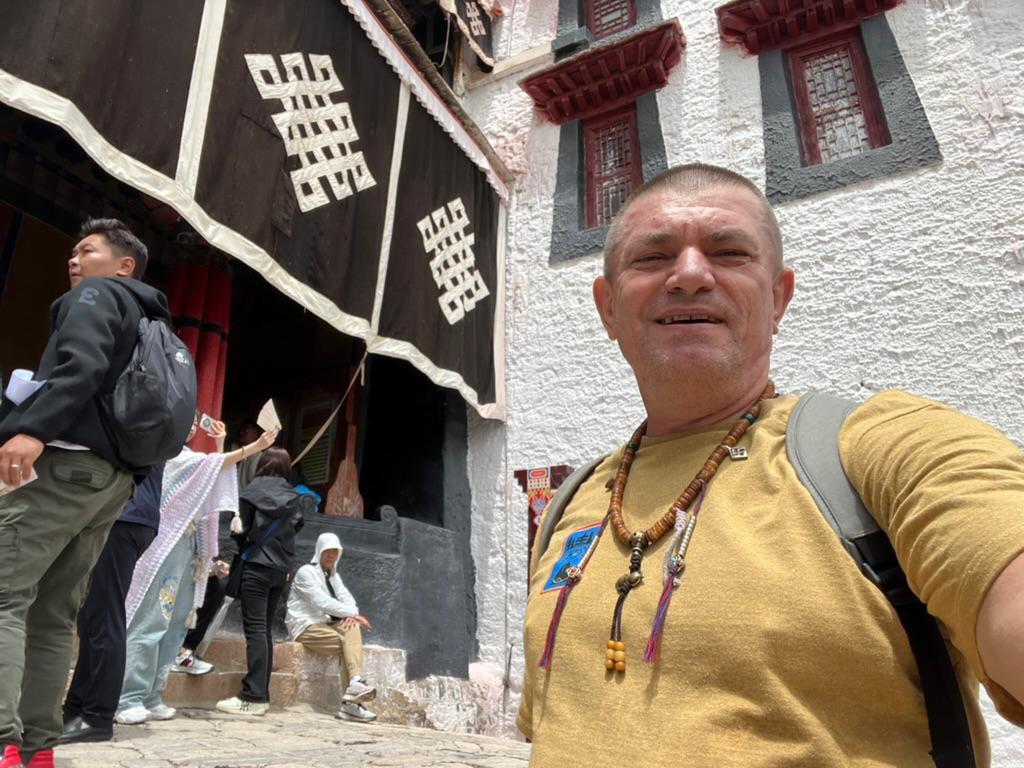
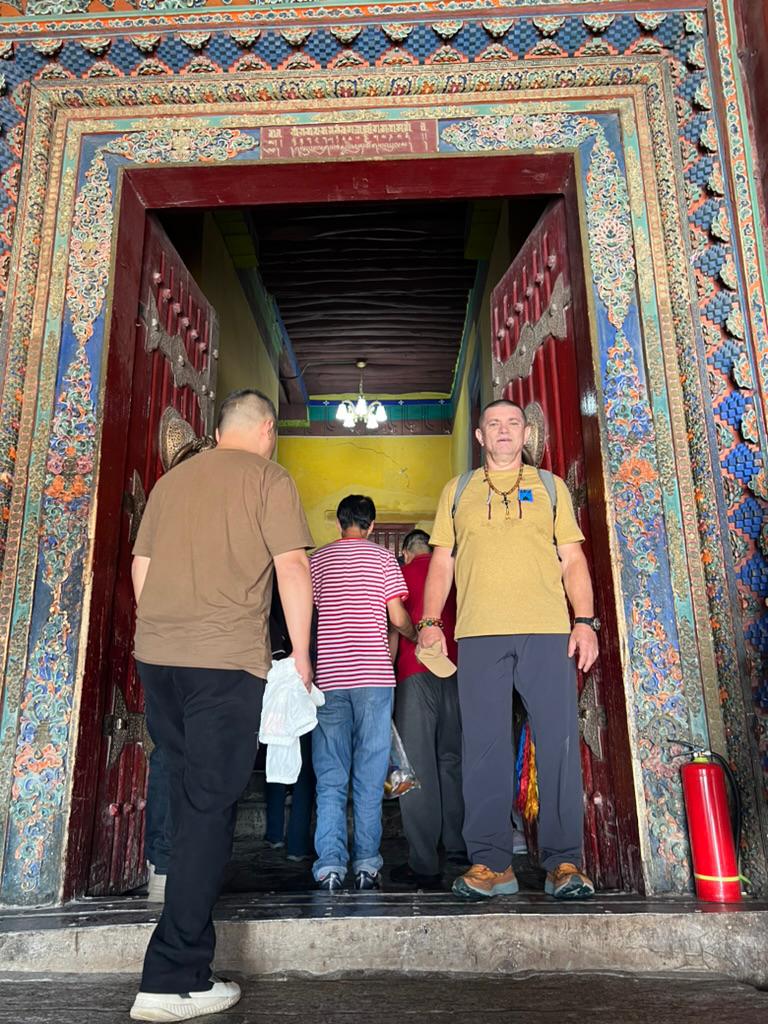
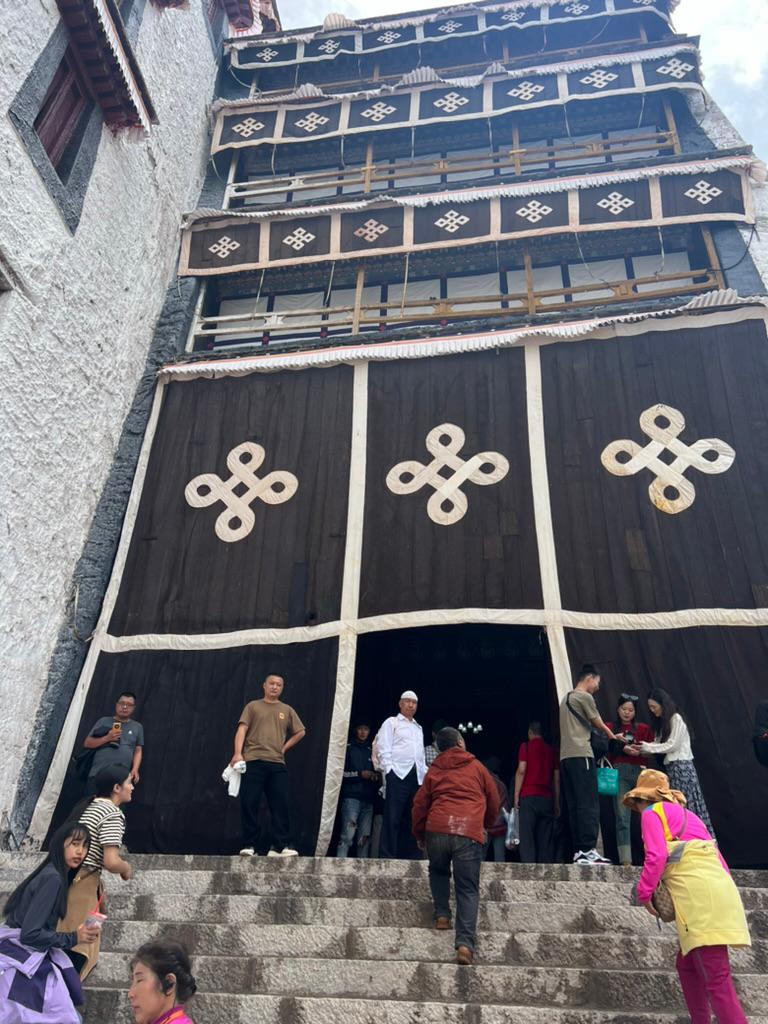
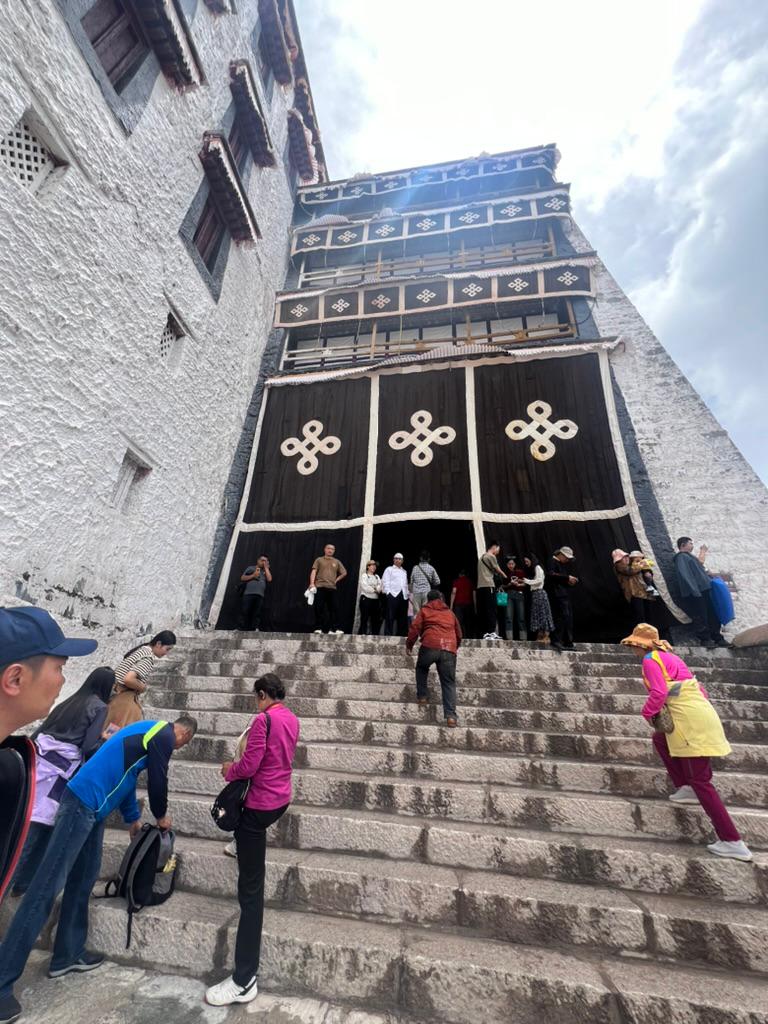
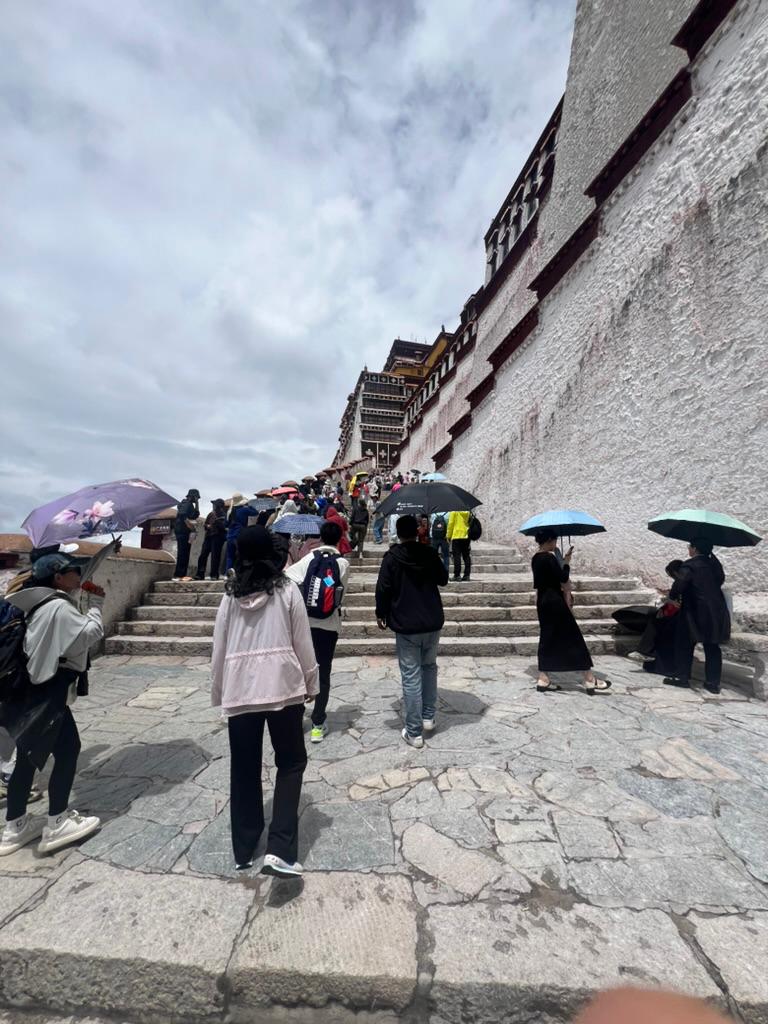
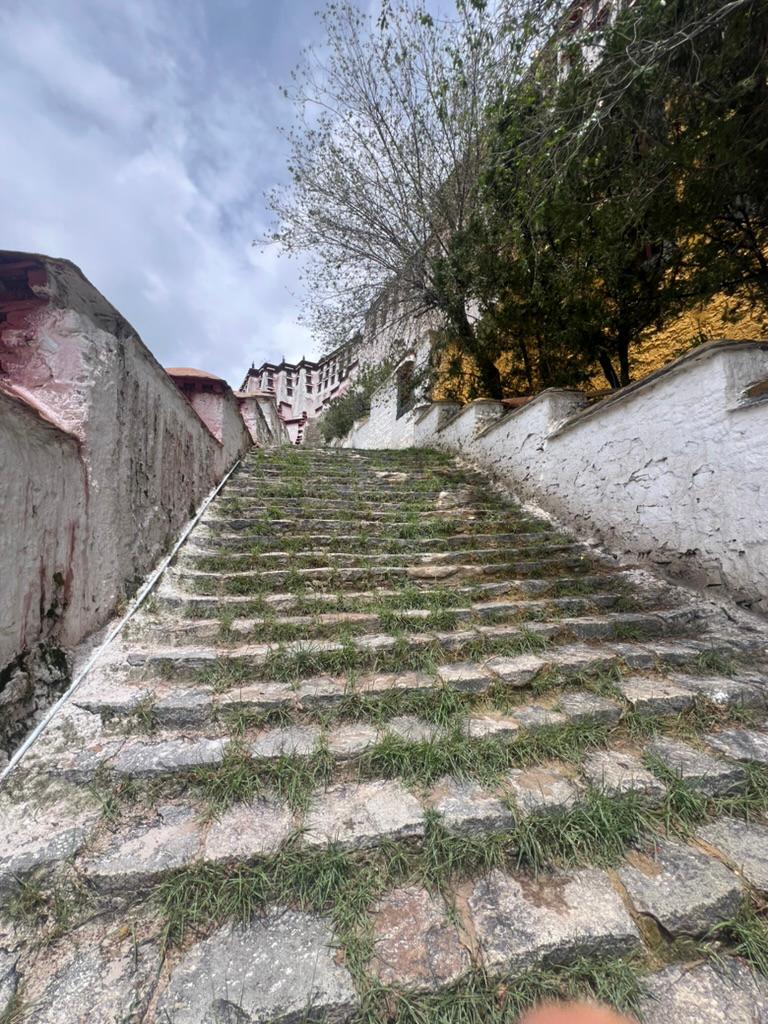
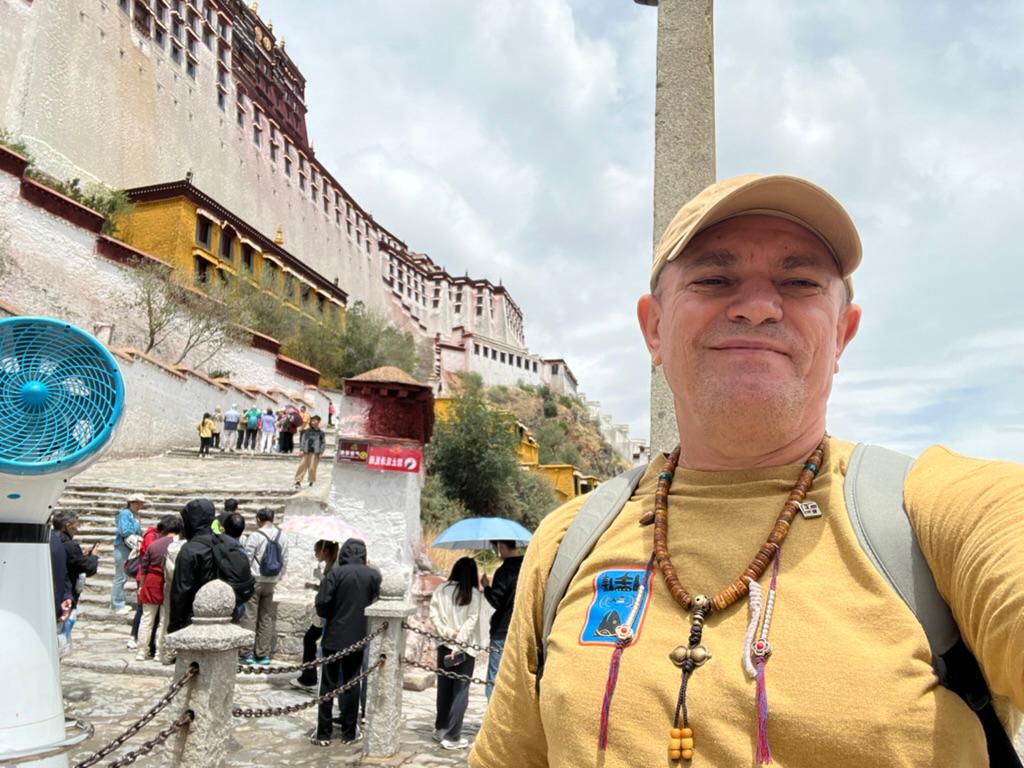
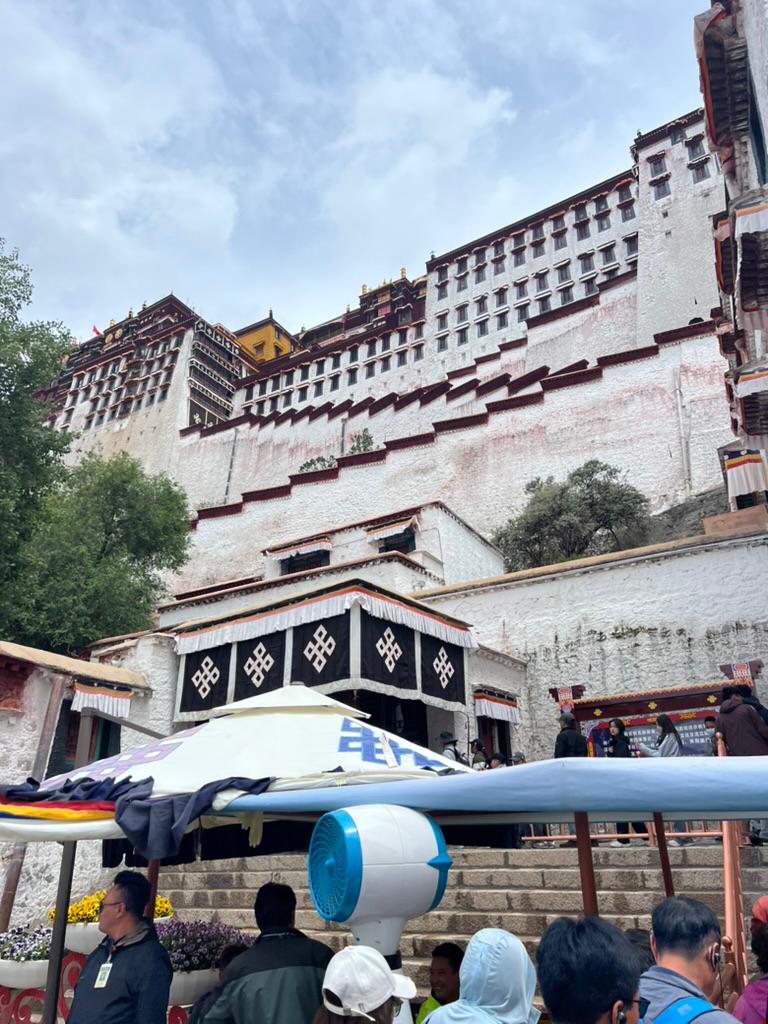
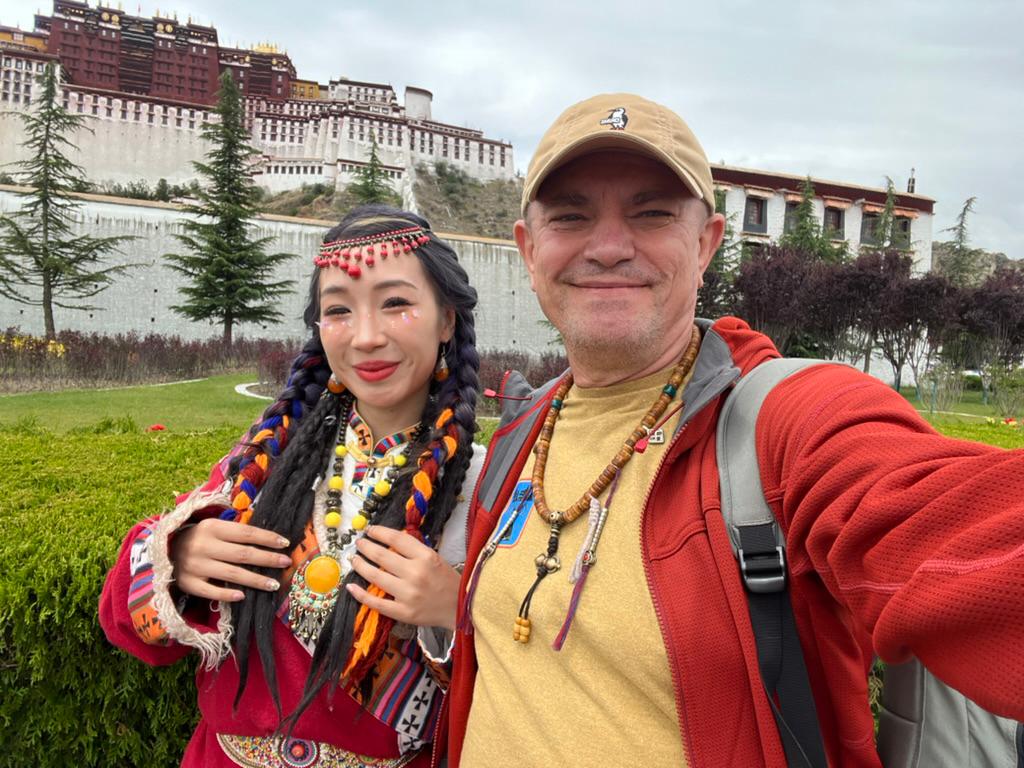
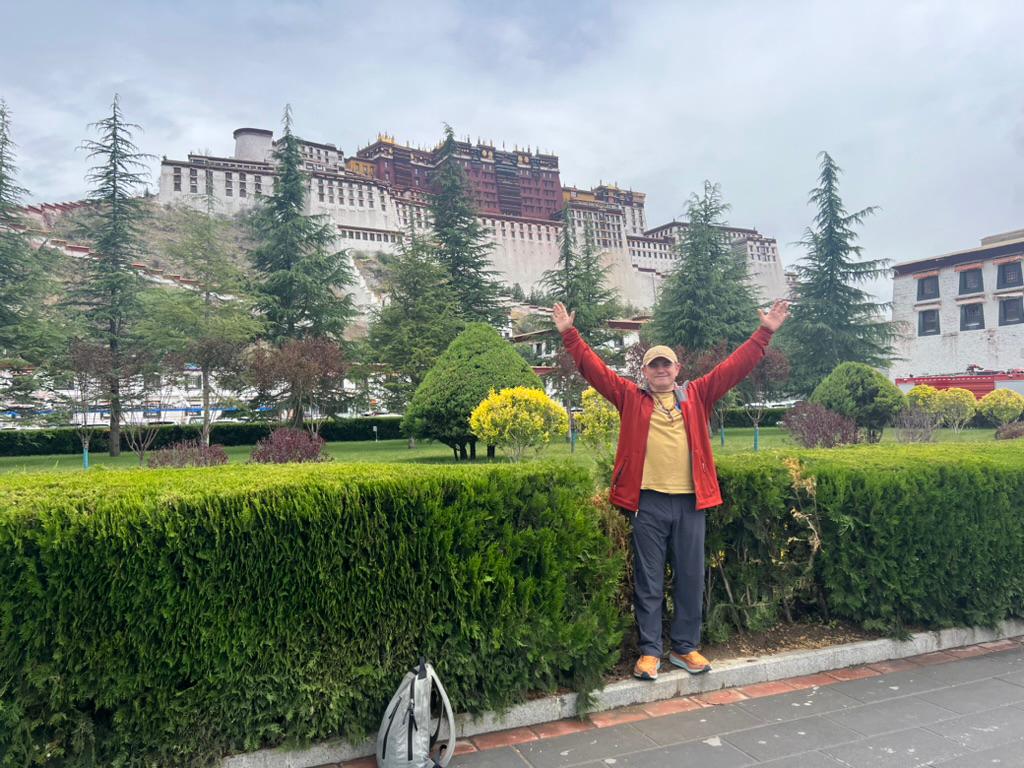
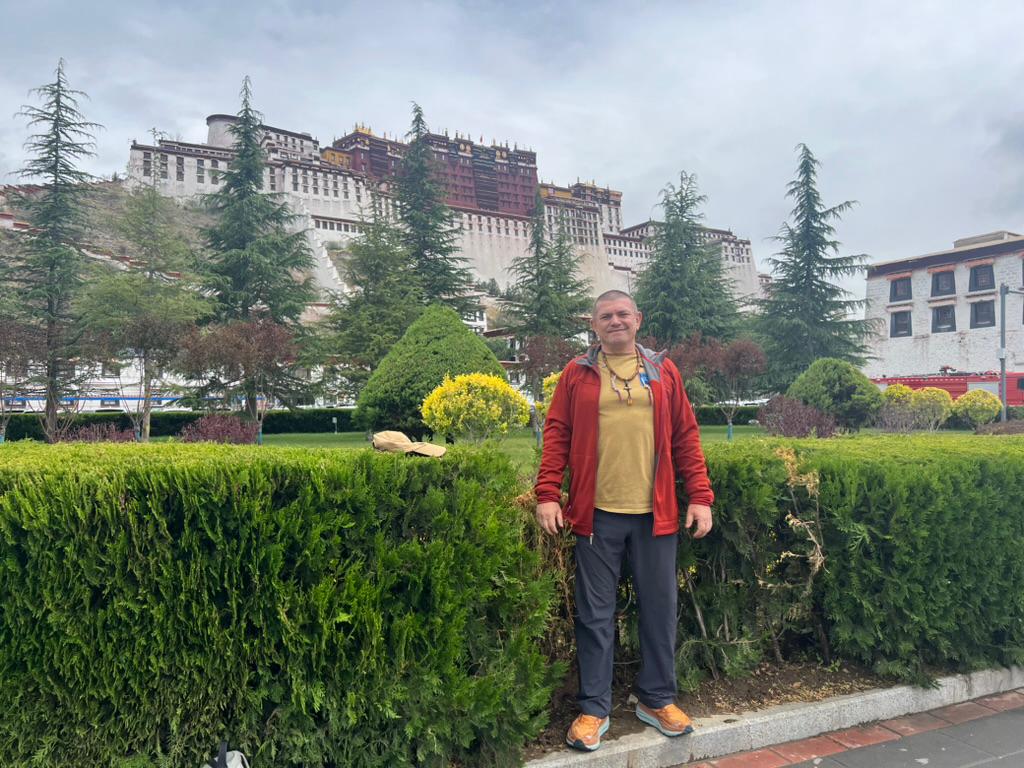
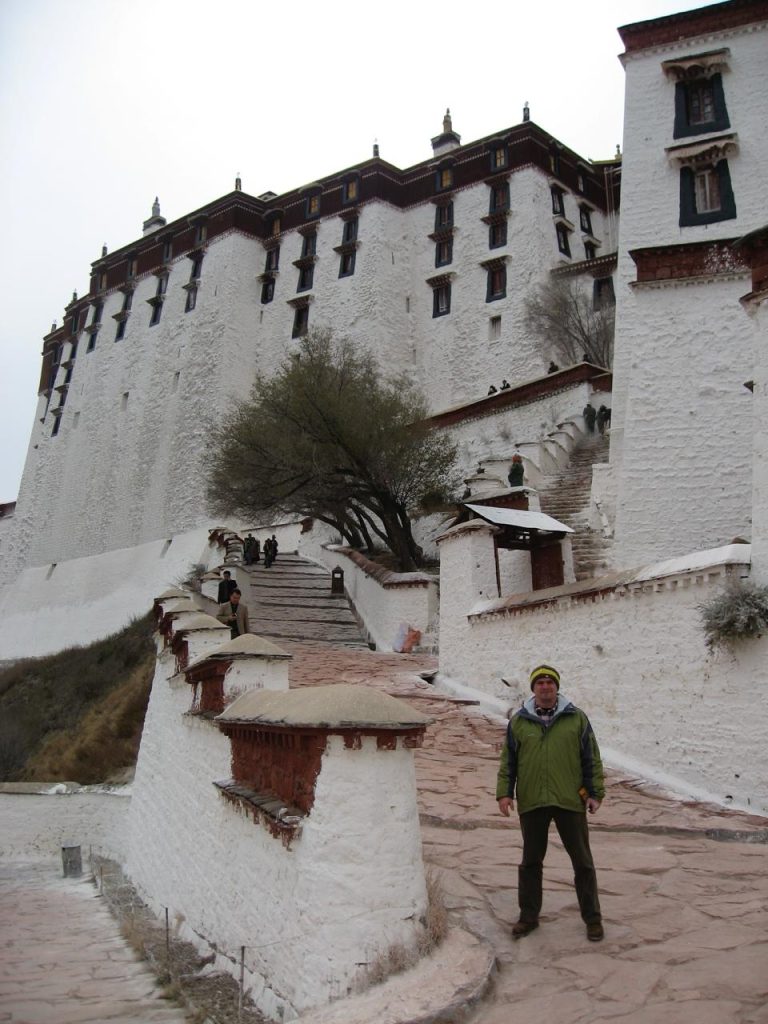
I entered the Palace from the East Gate where spent some time taking photos of the Palace. After that climbing up the stairs to enter the White Palace. The White Palace or Potrang Karpo served as the living quarters of the Dalai Lama and we can see the rooms where Dalai Lama lived and studied. We can visit Phakpa Lhakhang and Choegyal Drupuk chapels.
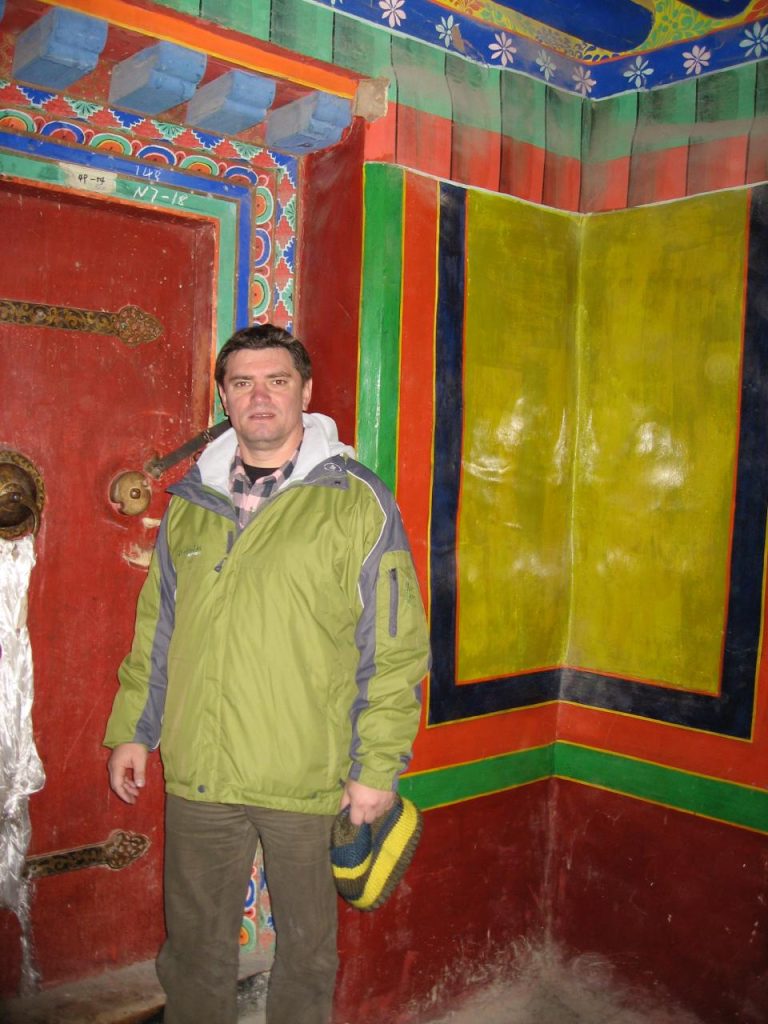
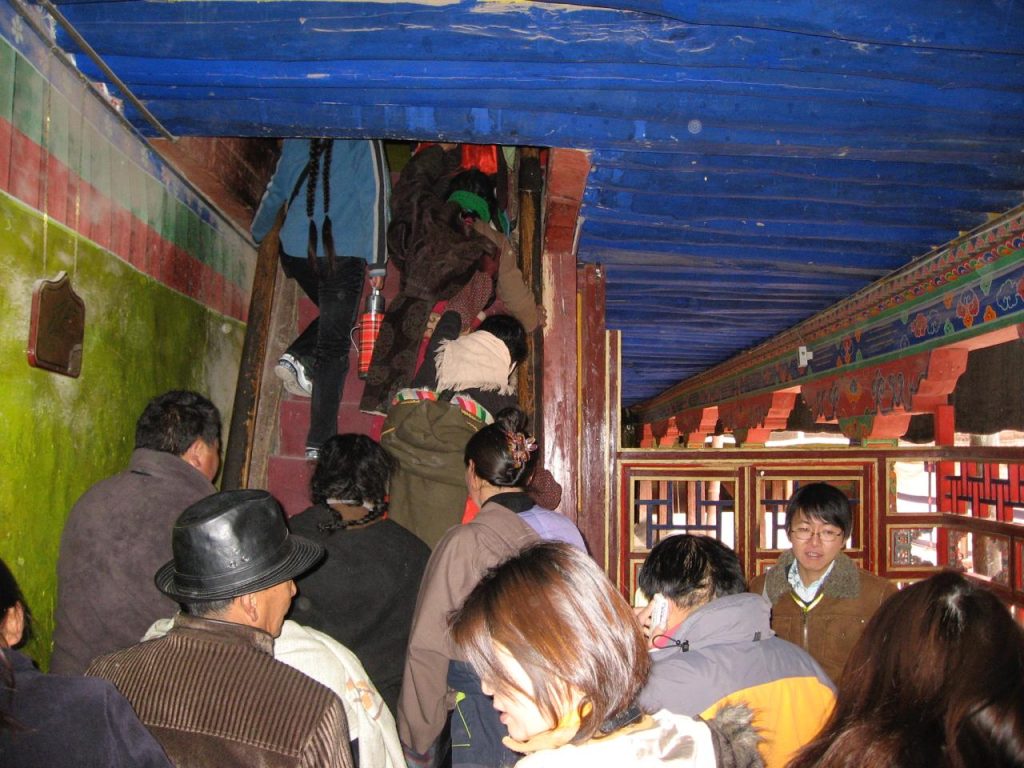
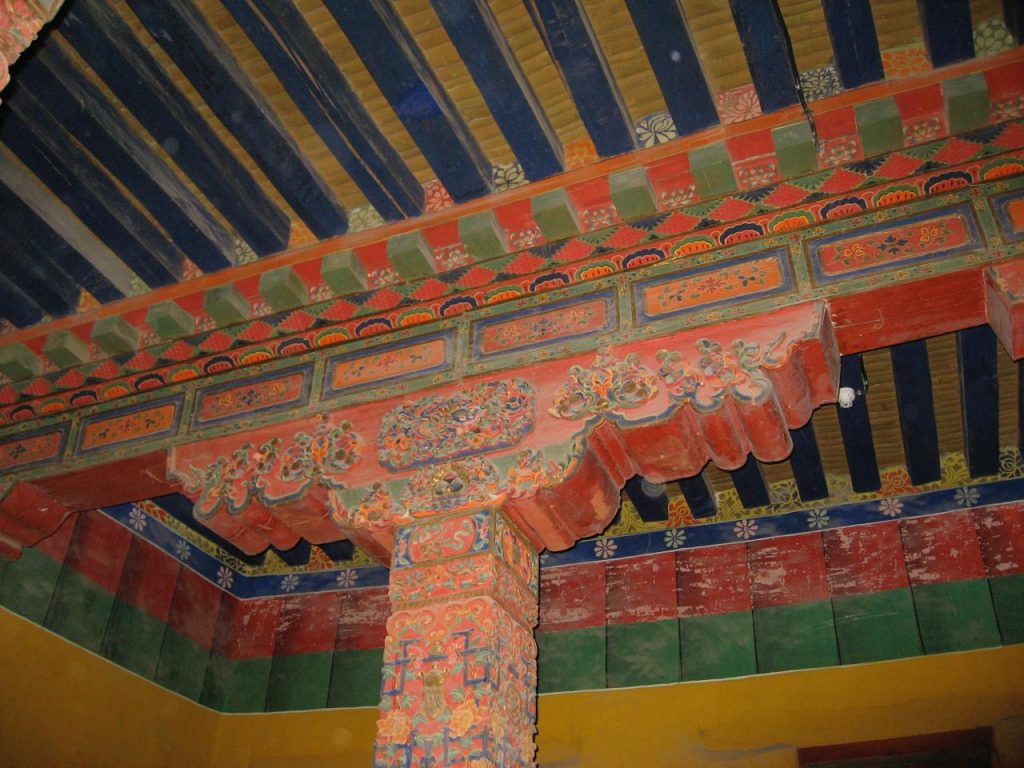
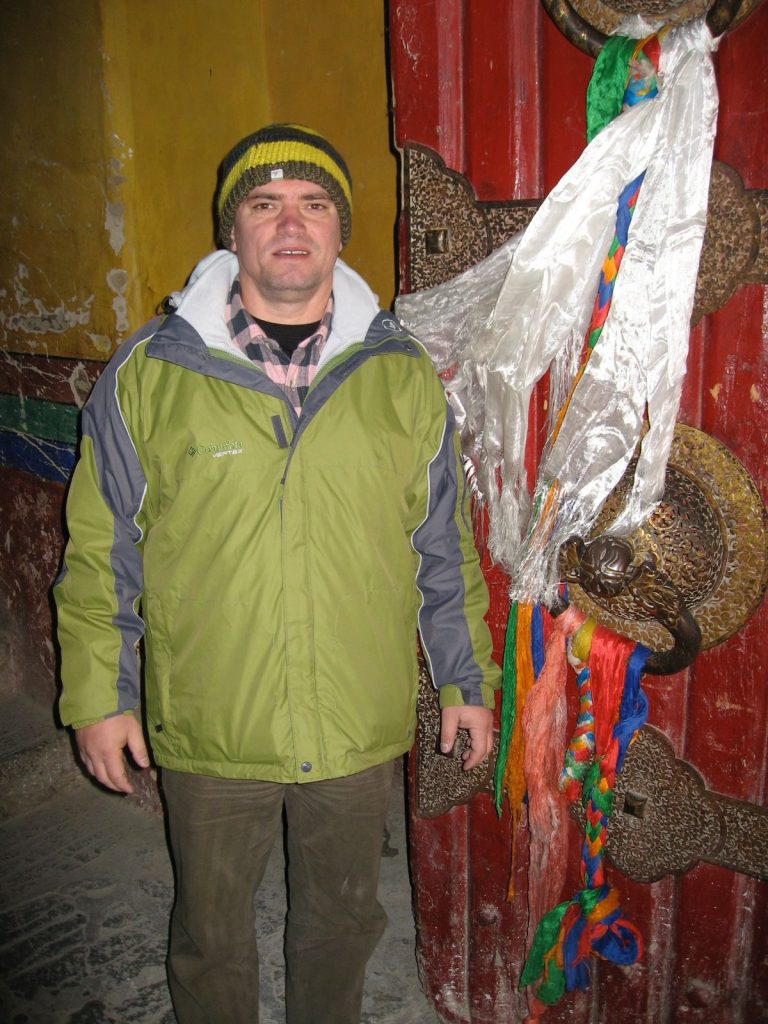
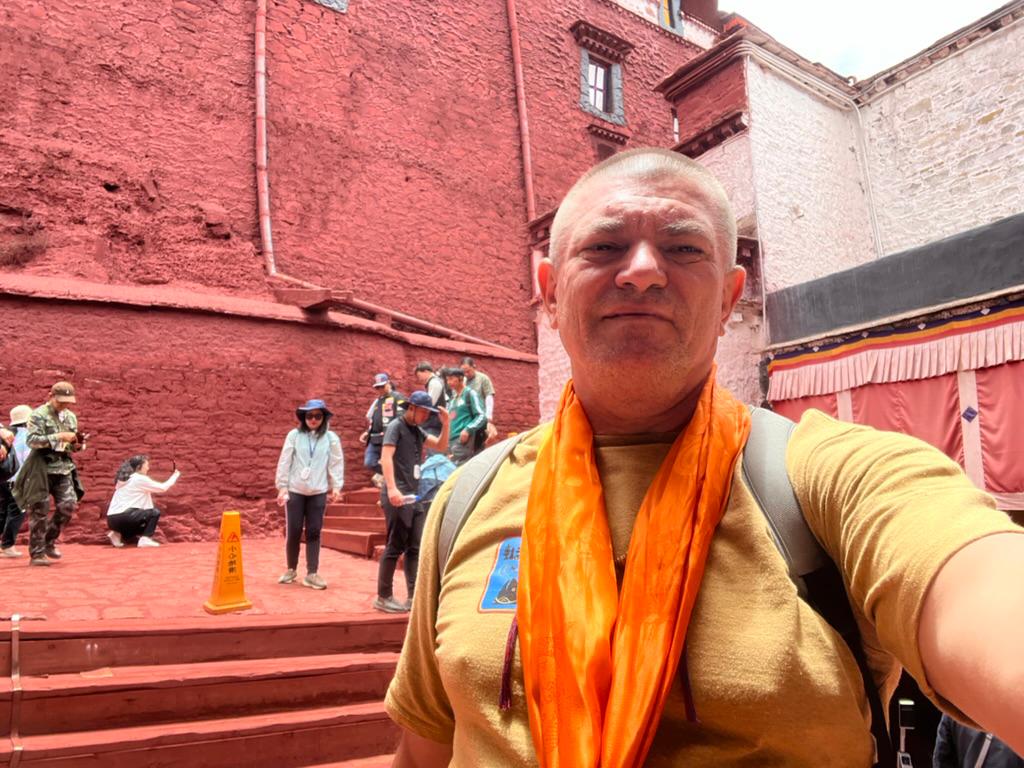
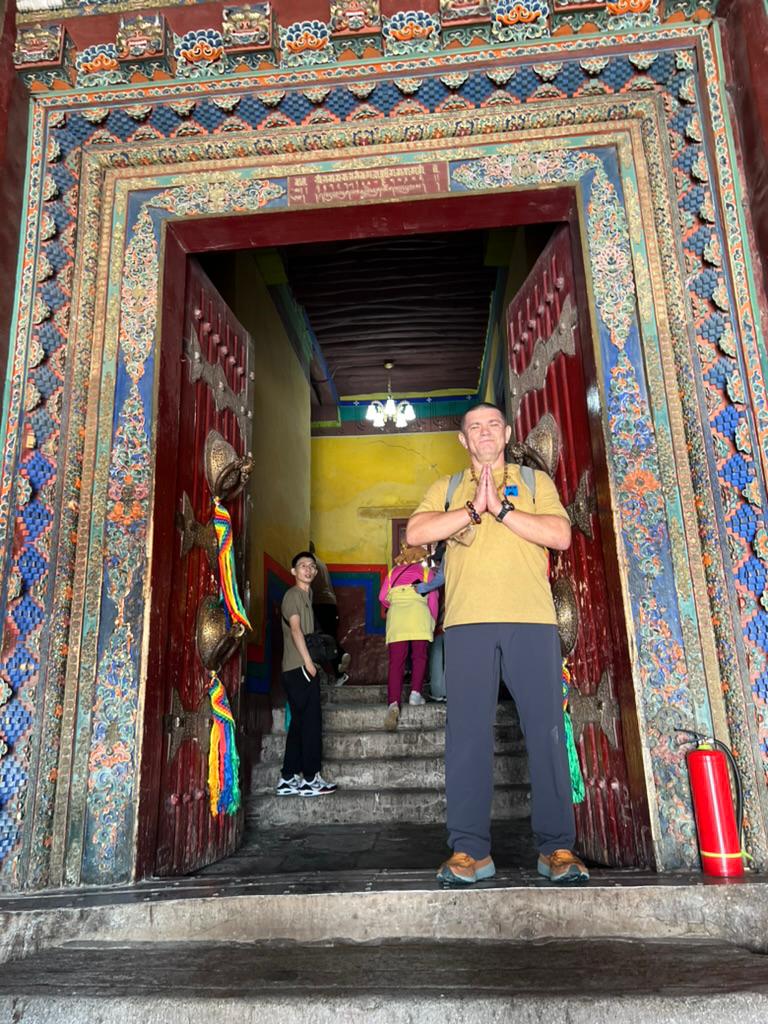
Later I proceed to the roof of the Palace to enter the Red Palace. The Red Palace or Potrang Marpo includes religious chapels. We will see tomb stupas of Dalai Lamas, 3-D mandalas built with precious stones and metals, an Assembly Hall, a meditation cave, and a Compassion Buddha chapel.
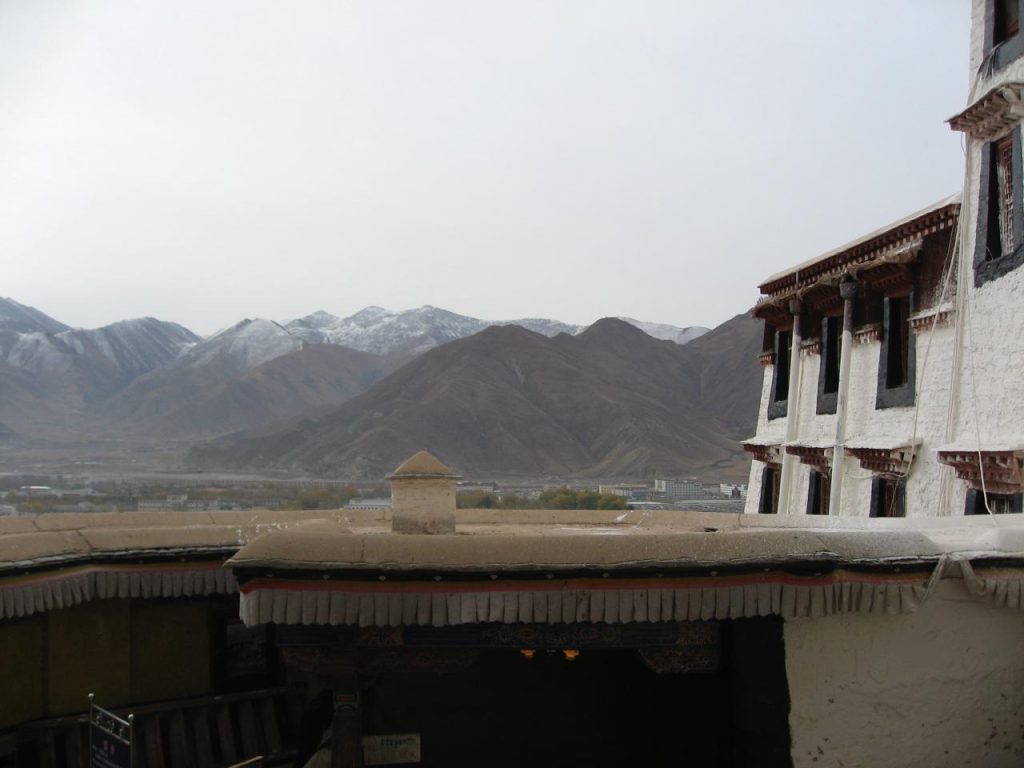
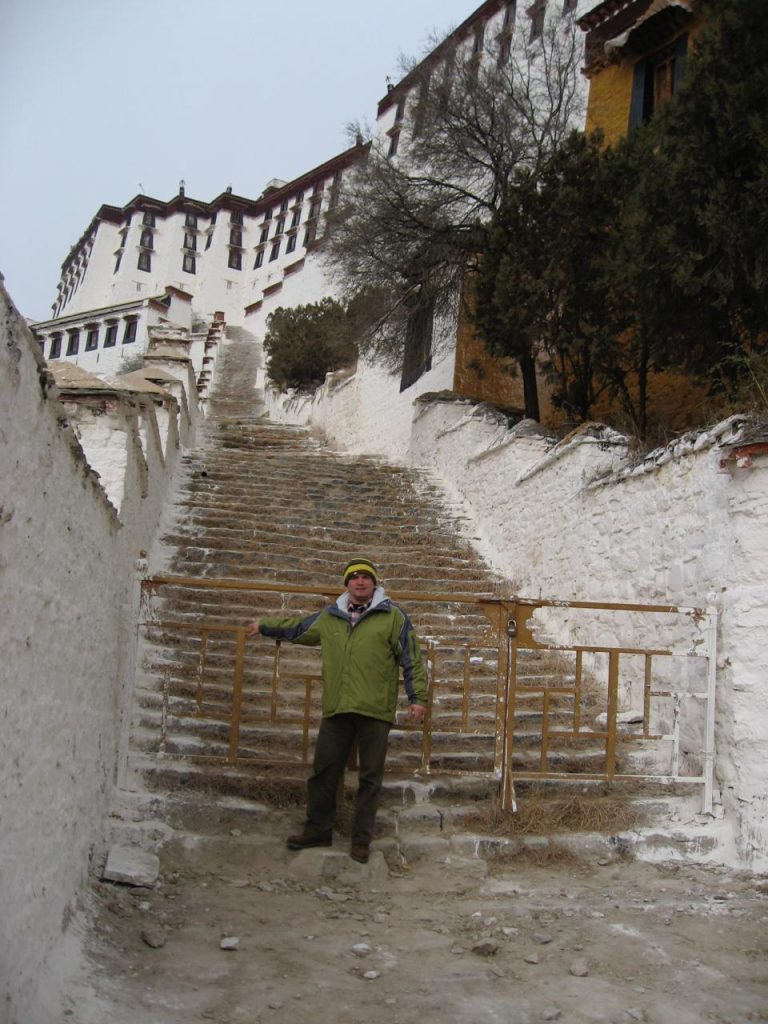
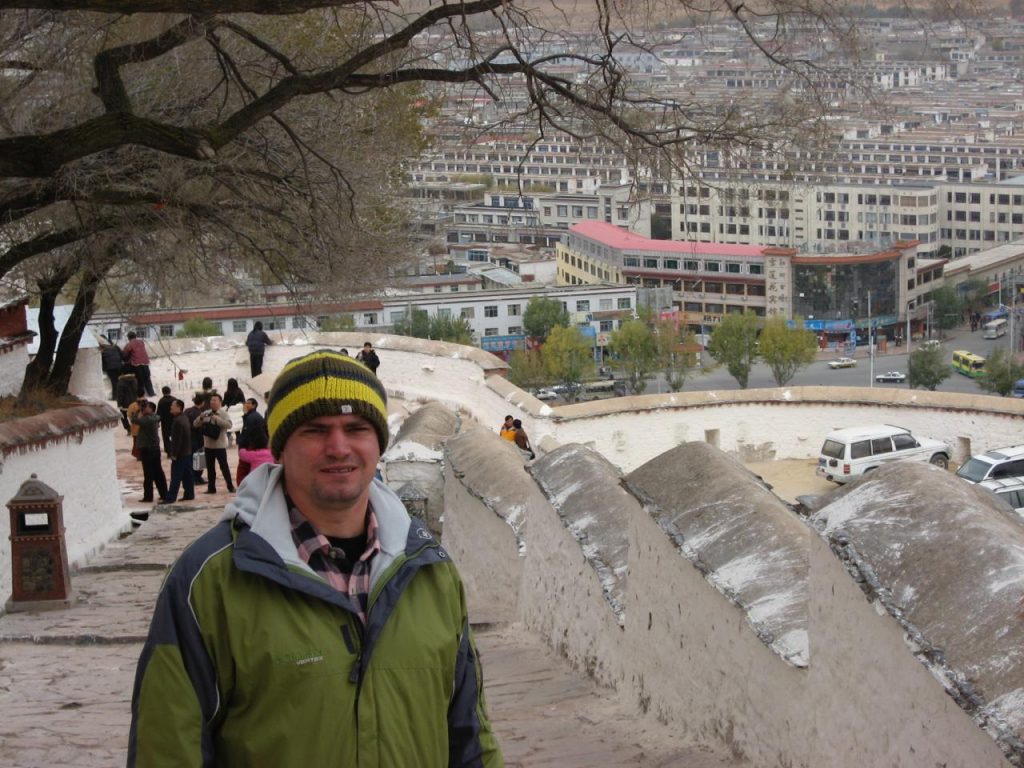
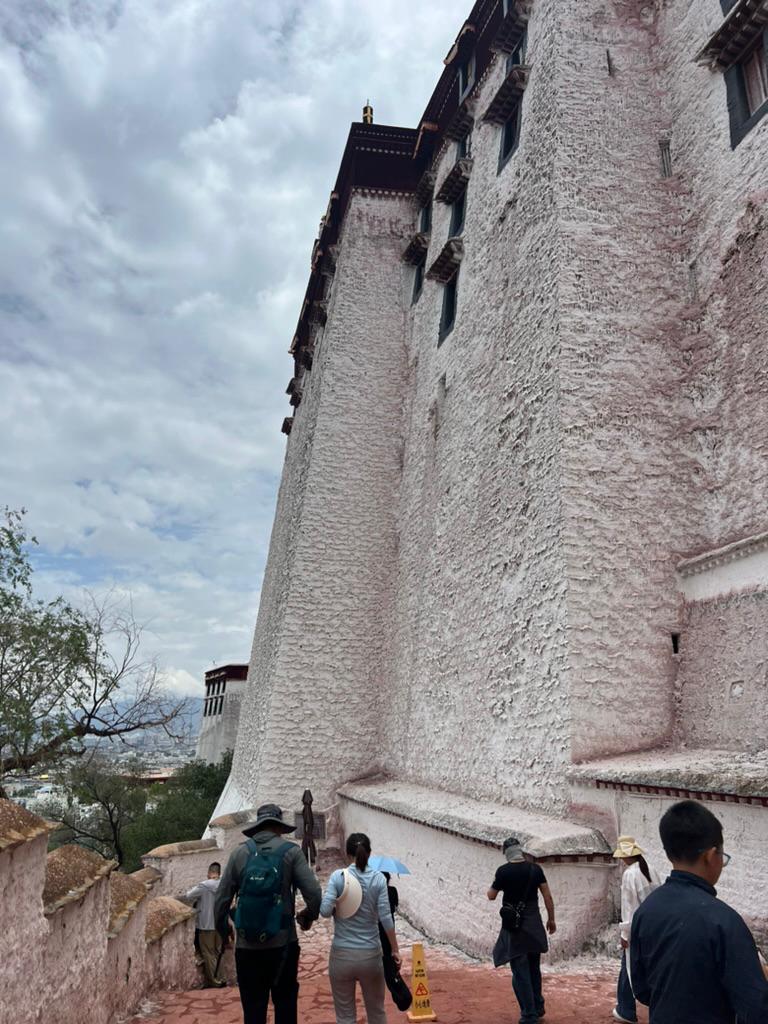
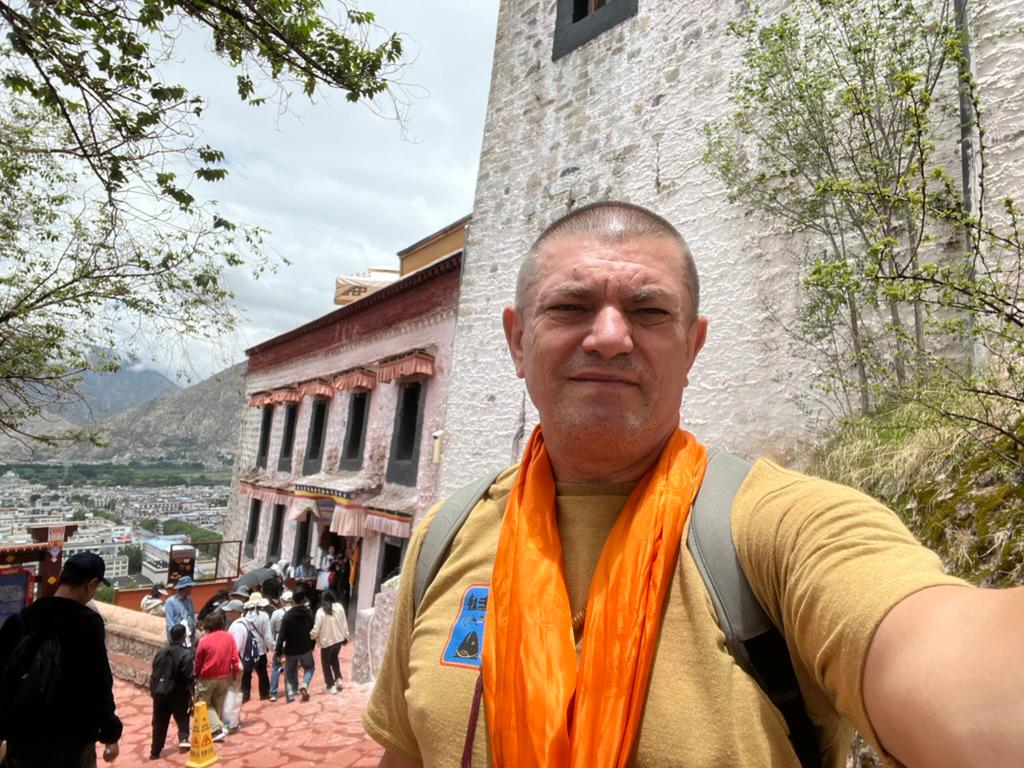
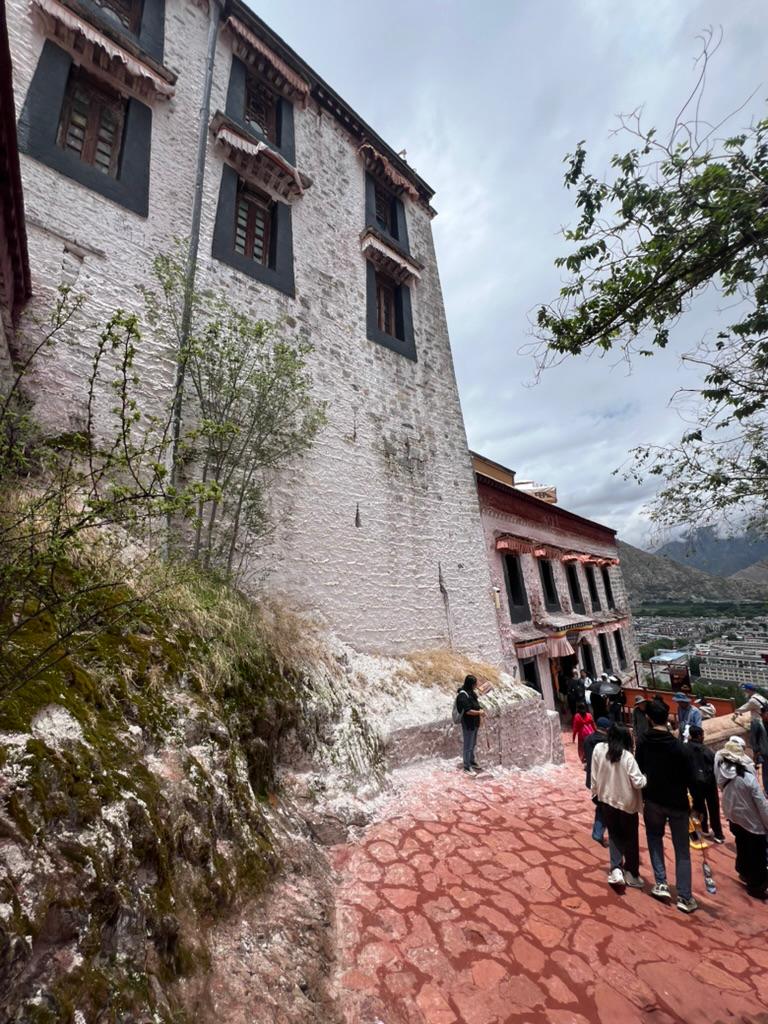
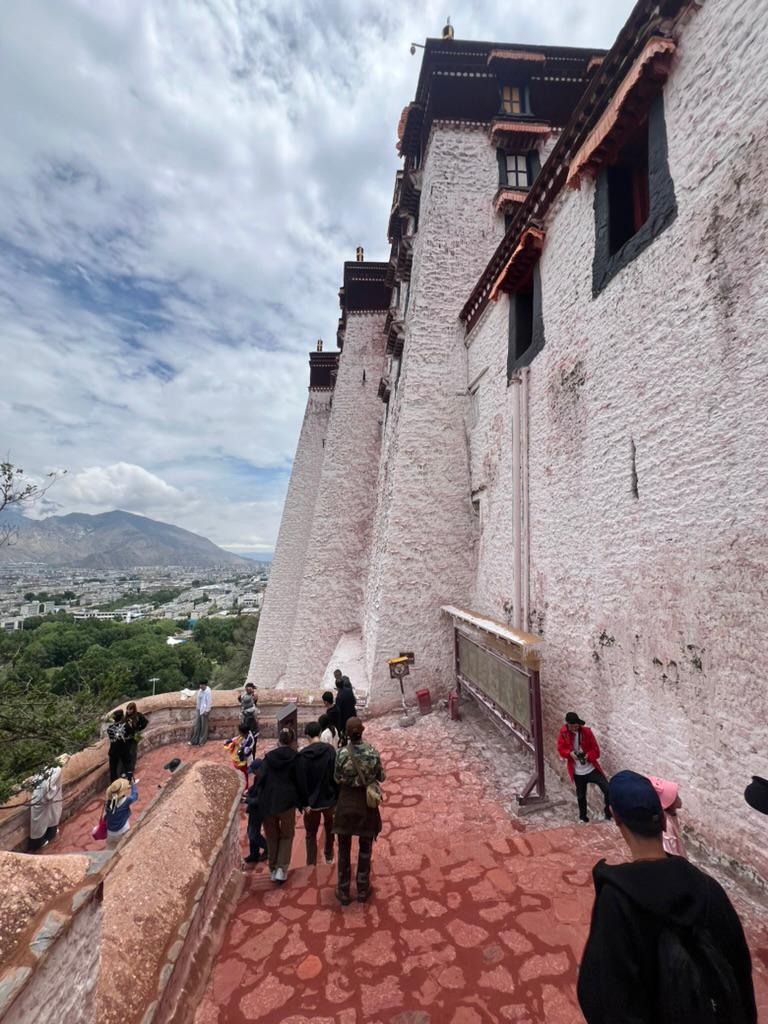
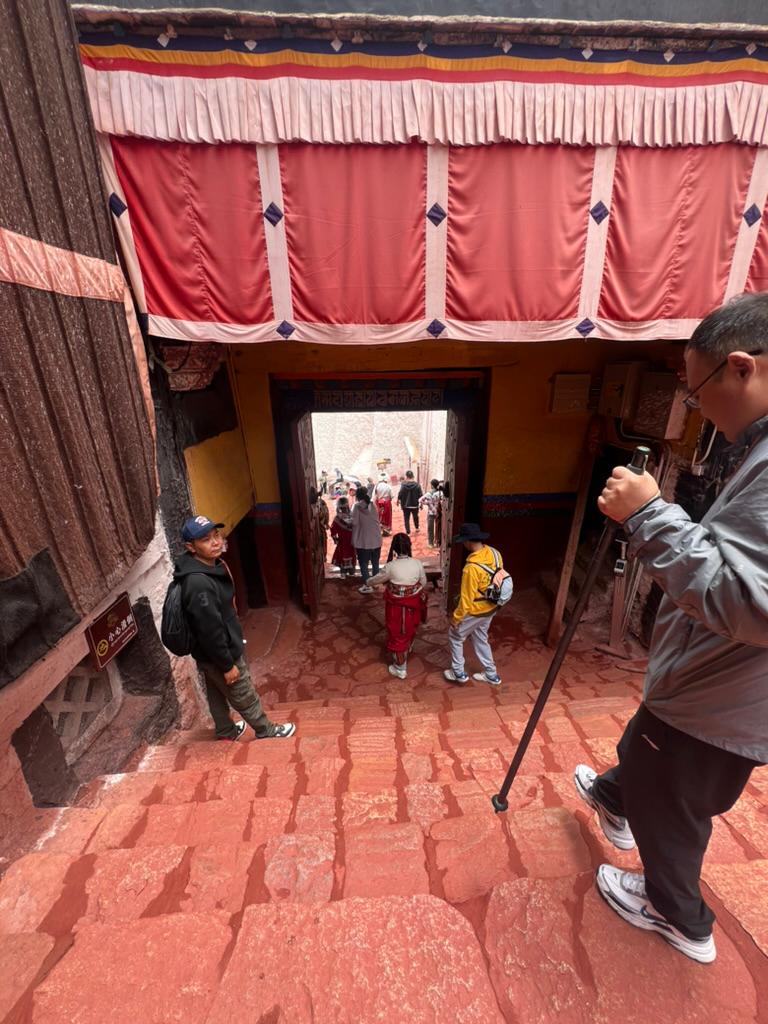
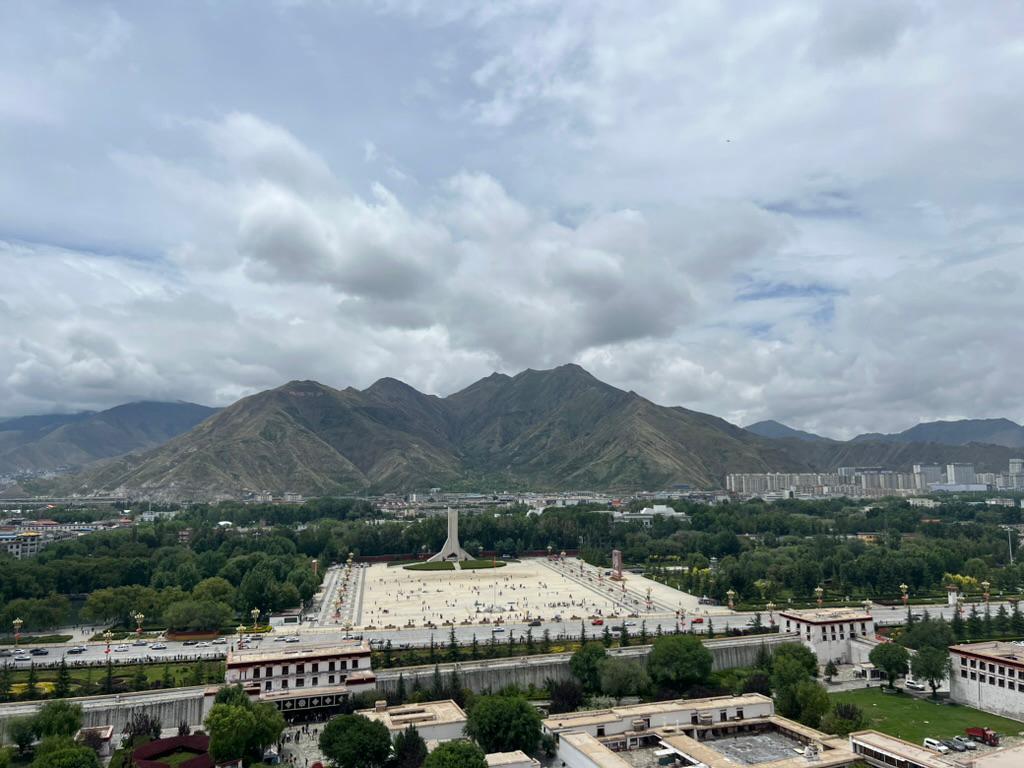
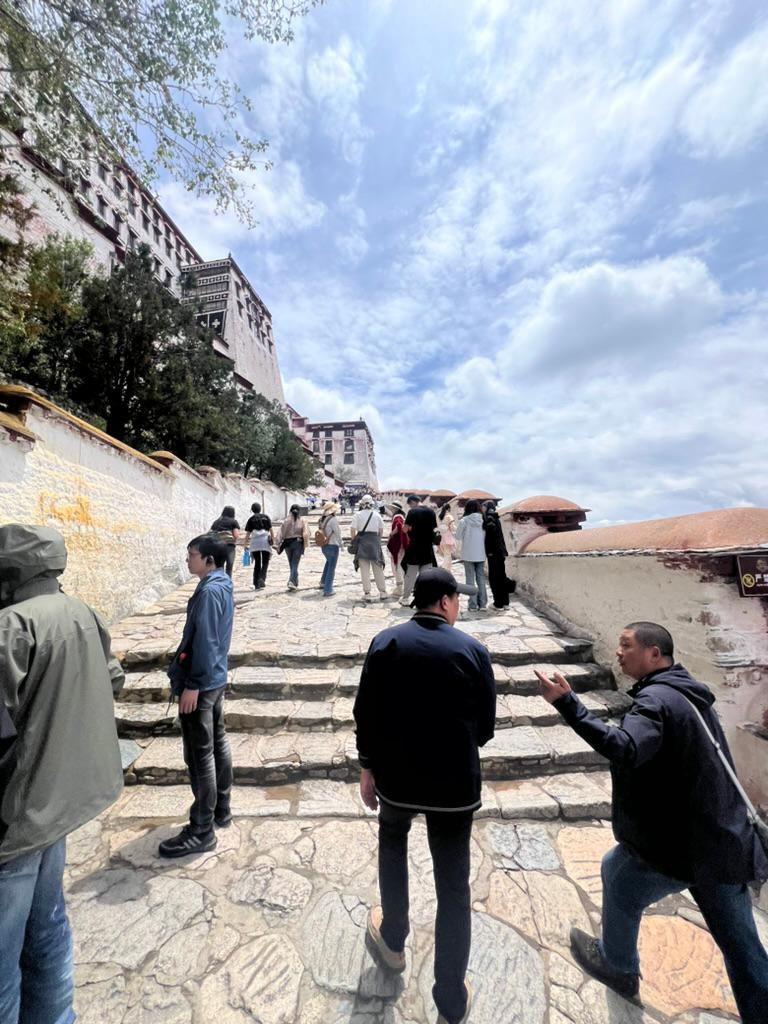
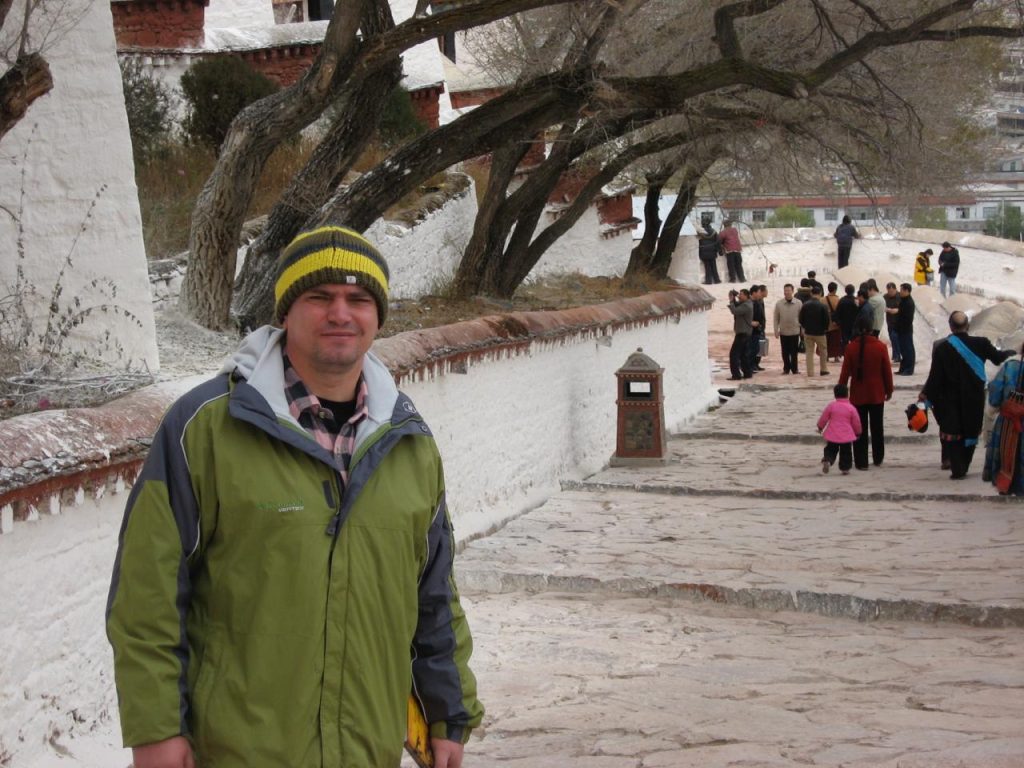
Finally, I exit at the west side of the Palace and walk down the stairs on the backside of the Potala. From the top of the hill, you can enjoy splendid views of Lhasa and surrounding mountains.
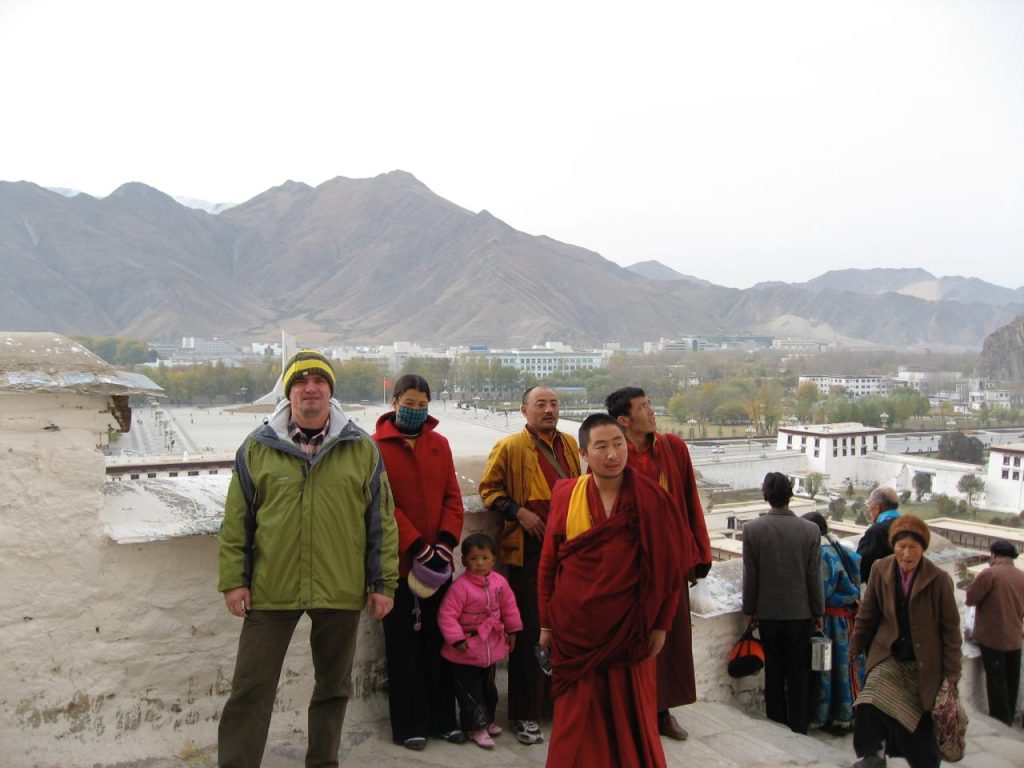
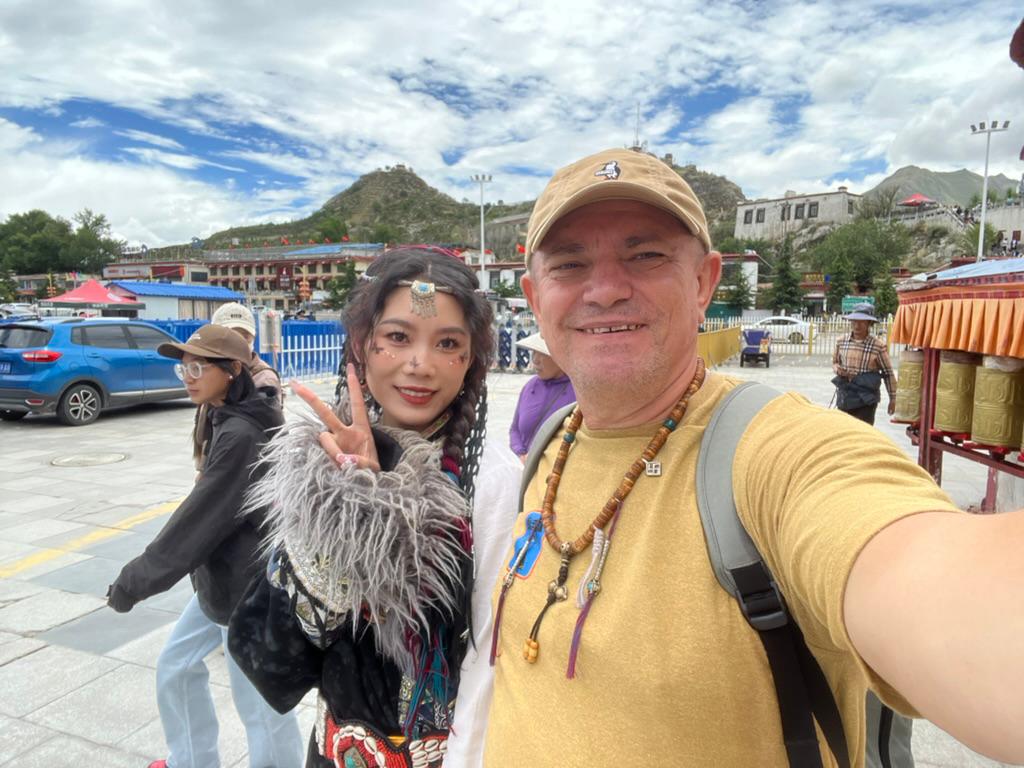
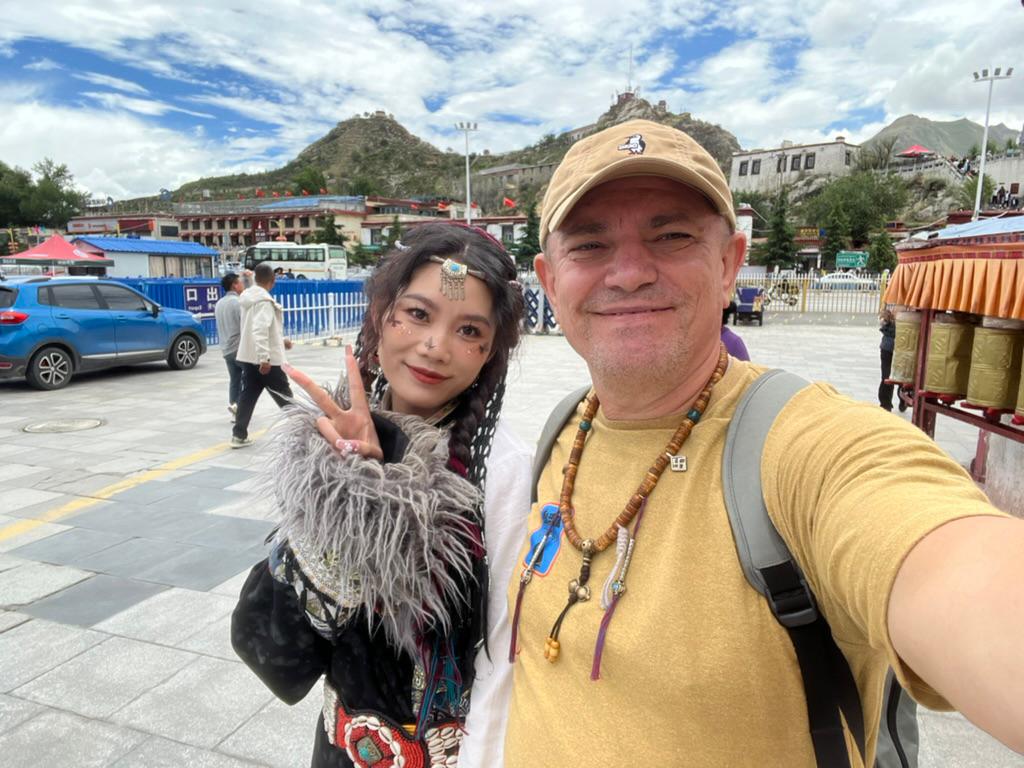
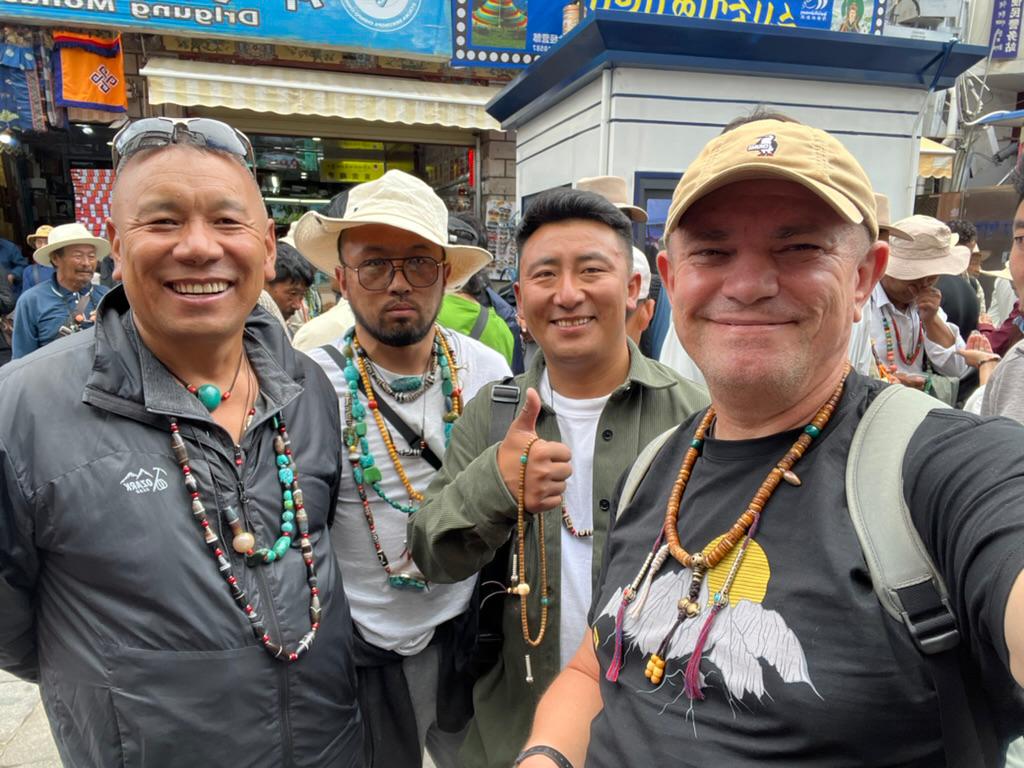
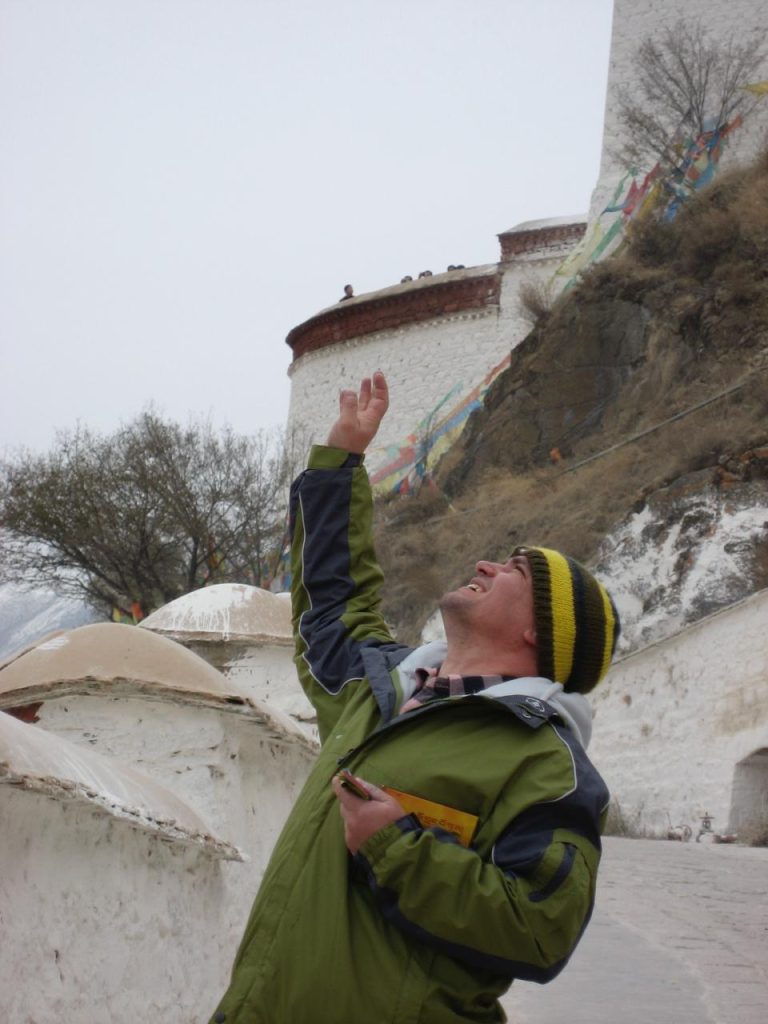
I first visited Lhasa in November 2006, the city has developed a lot, the management at the Potala has become much stricter and there are fewer places to visit than 18 years ago. However, the uplifting feeling has remained the same.
2024
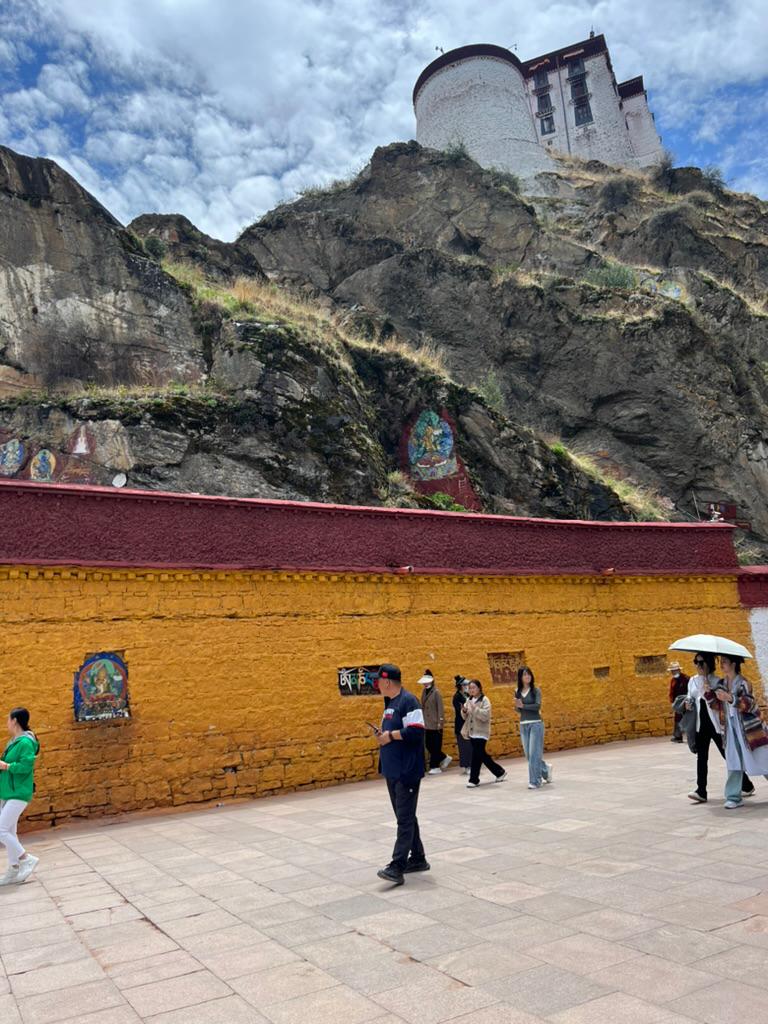







2006