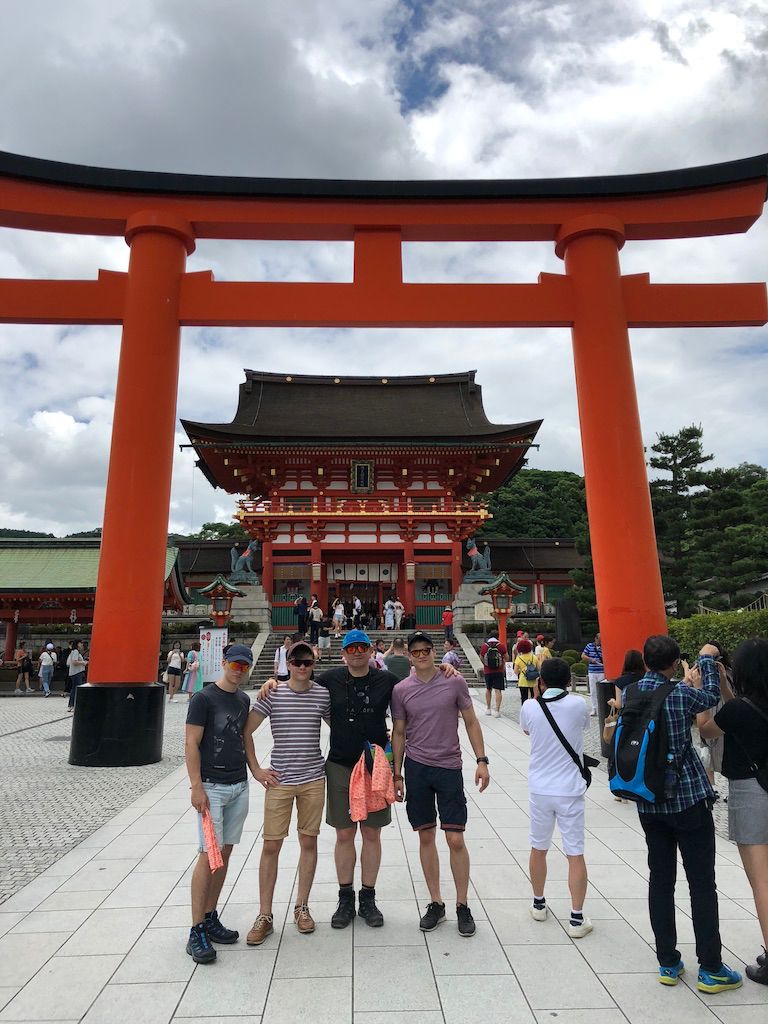
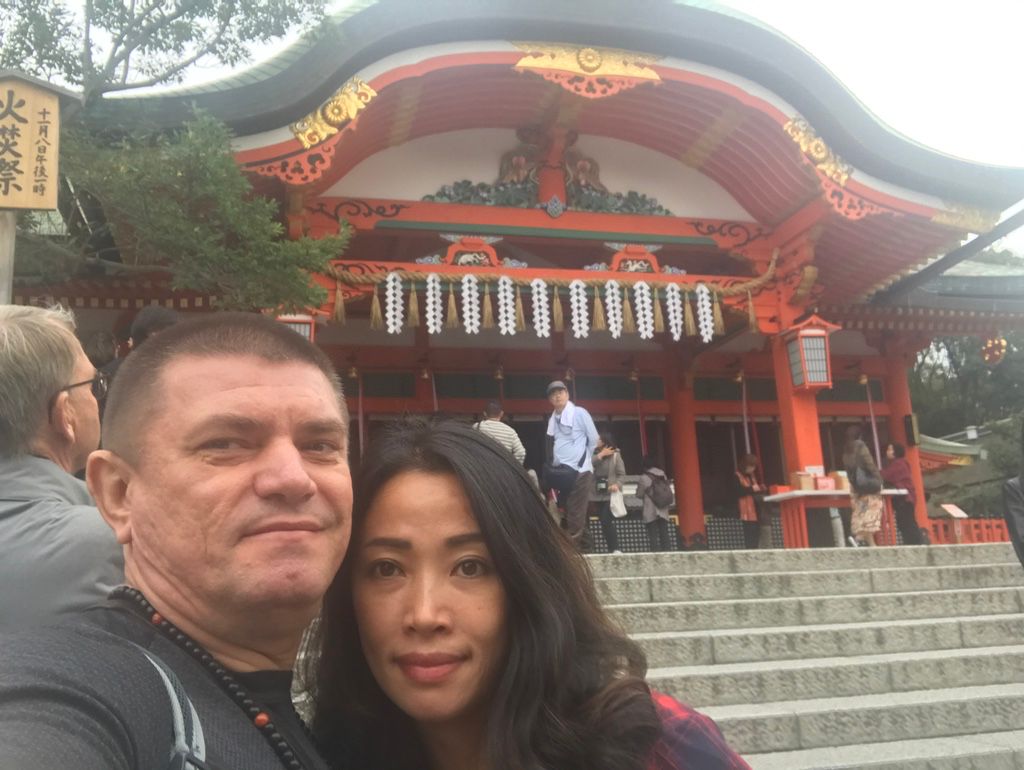
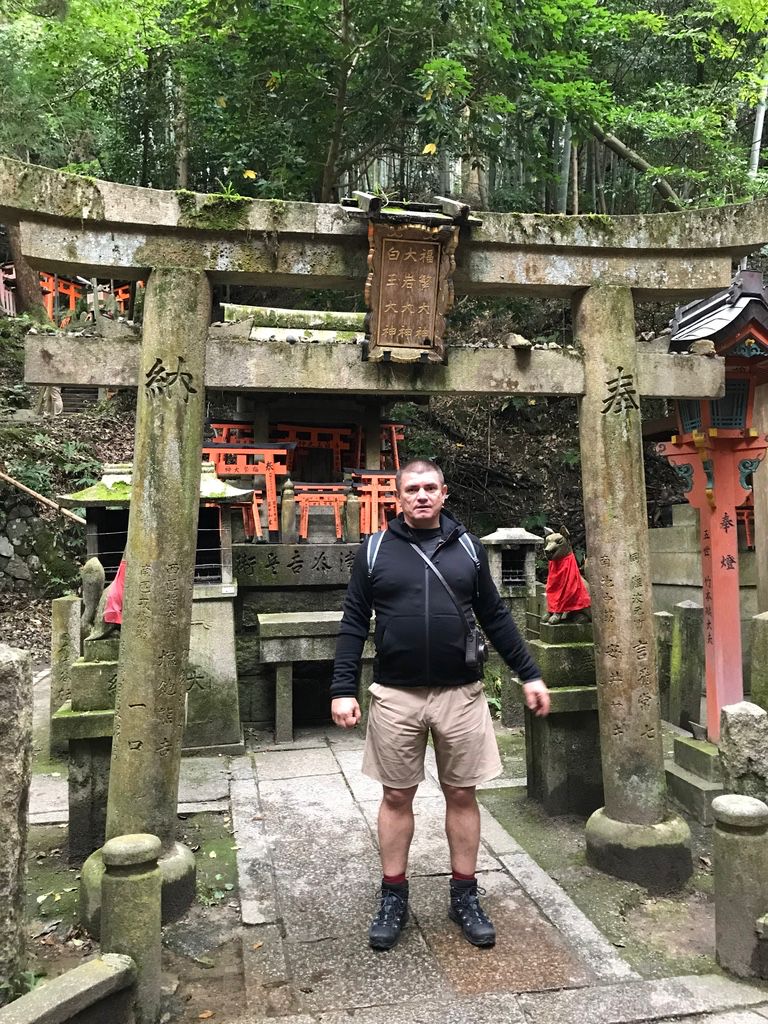
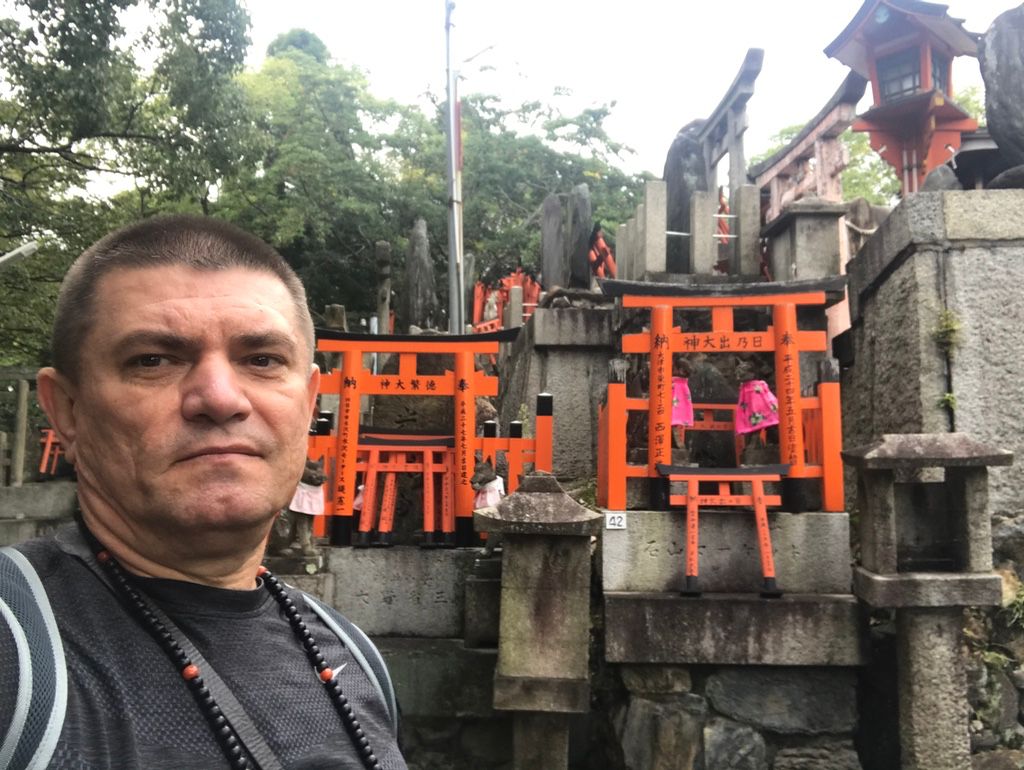
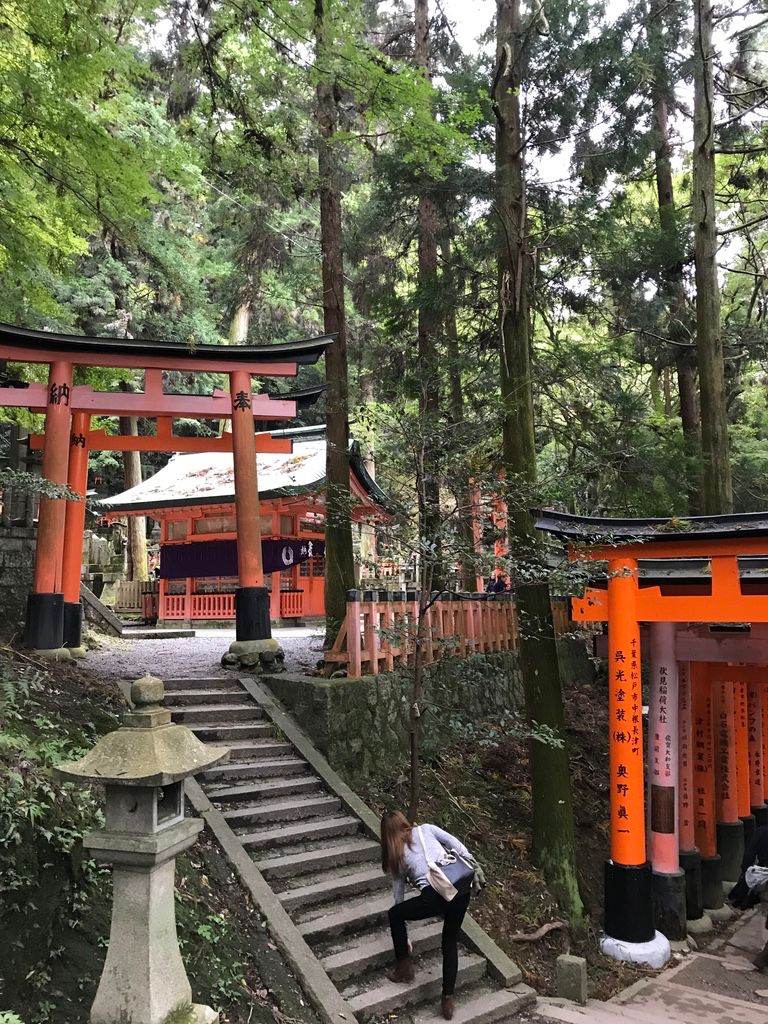
Fukakusa area in Kyoto has ties to Buddhism. Specifically, Kosho-ji Temple, a Soto Zen Buddhist temple, was founded in Fukakusa during the Kamakura Period. It was later reconstructed in 1648. Additionally, Fushimi Inari Taisha, a prominent Shinto shrine, is located in the Fushimi area, which includes Fukakusa.
Kiyomizu-dera, or Kiyomizu Temple, is a Buddhist temple in Kyoto, Japan. It's one of the most famous and iconic temples in Kyoto and is known for its wooden stage and association with the bodhisattva of compassion, Kannon. The temple was originally affiliated with the Hossō sect of Buddhism.
Kosho-ji Temple:
This temple, a training hall for the Soto Zen school, was established by the Buddhist monk Dogen in the Kamakura Period. It was later rebuilt using materials from Fushimi Castle.
Fushimi Inari Taisha:
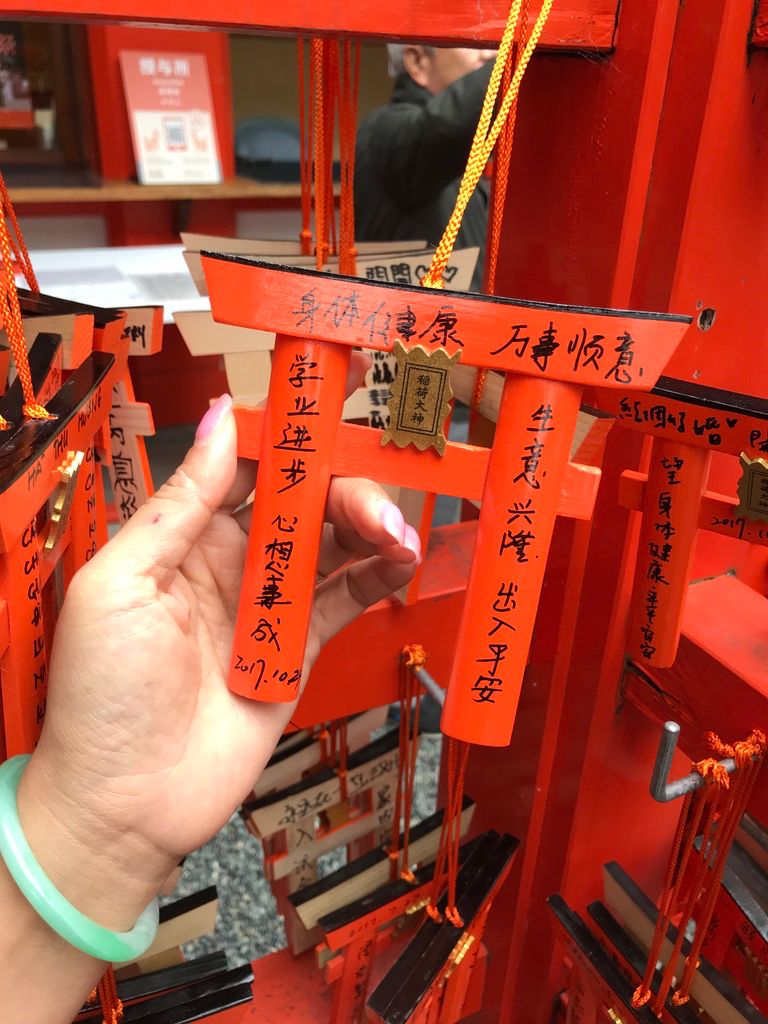
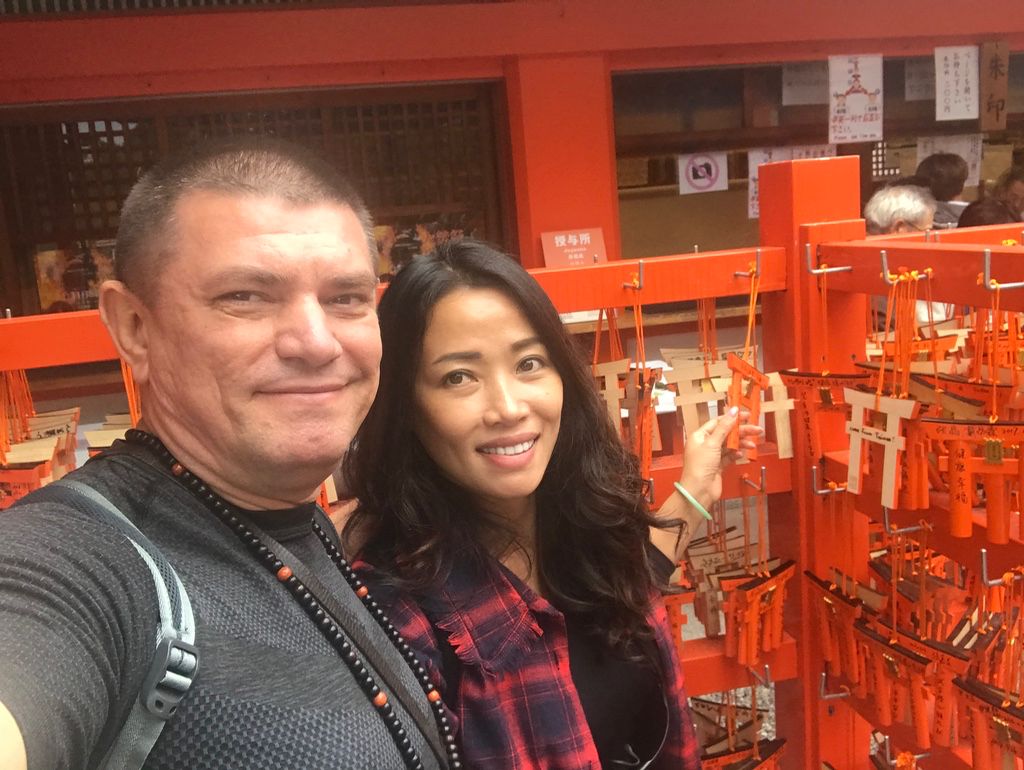
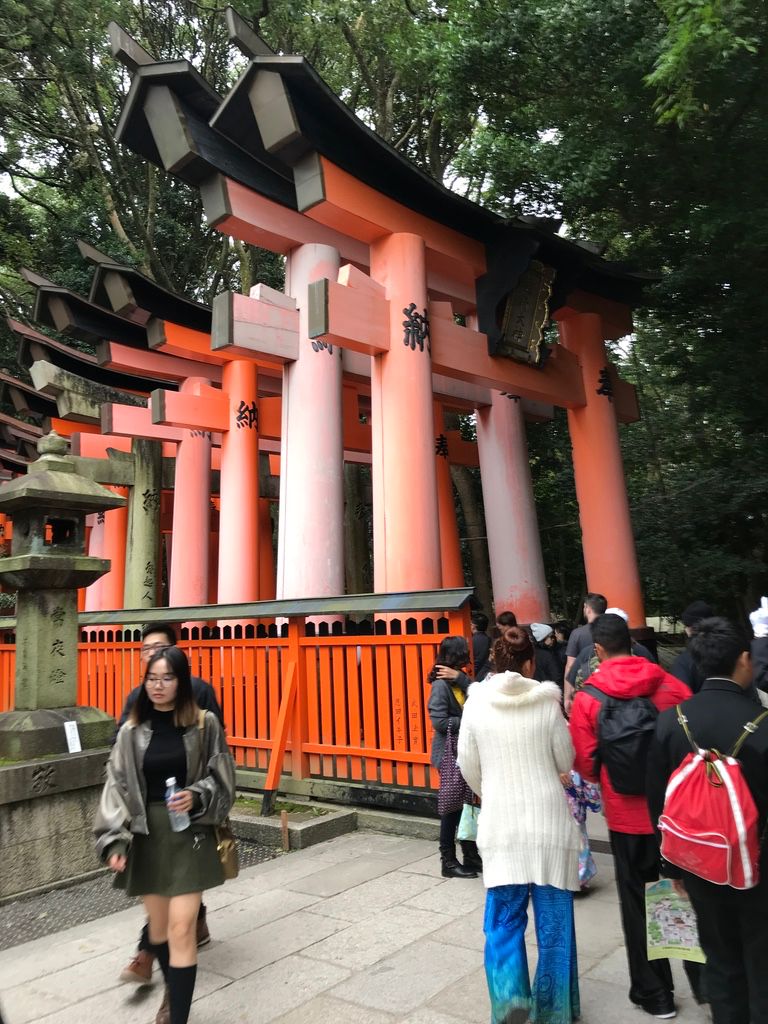
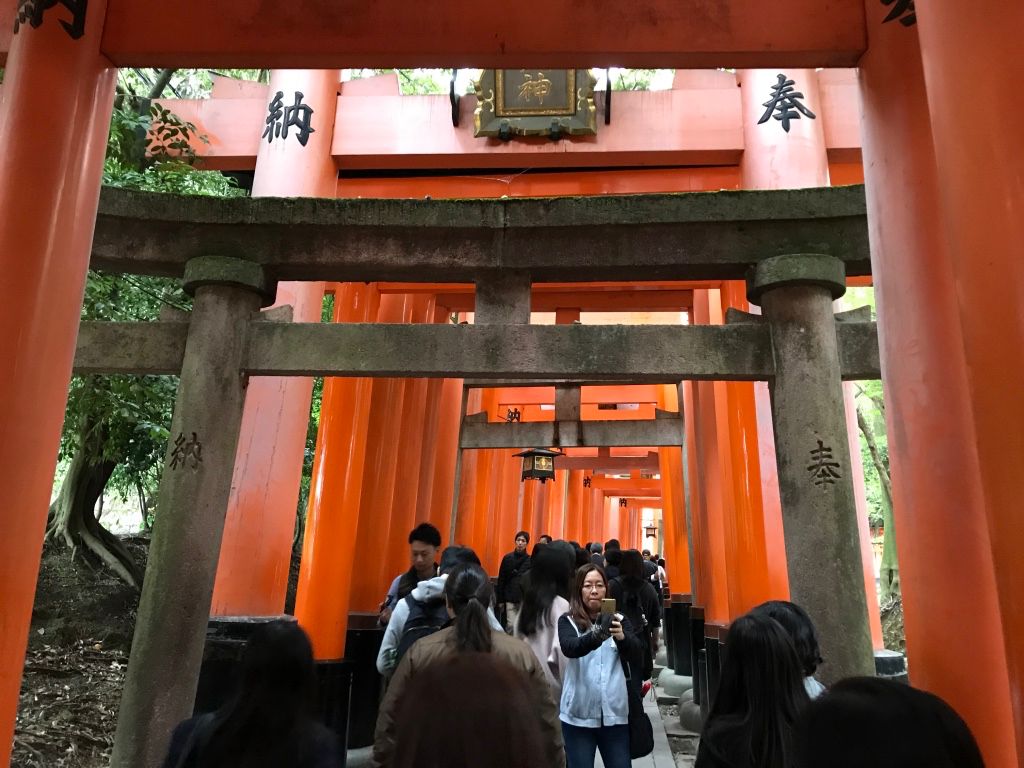
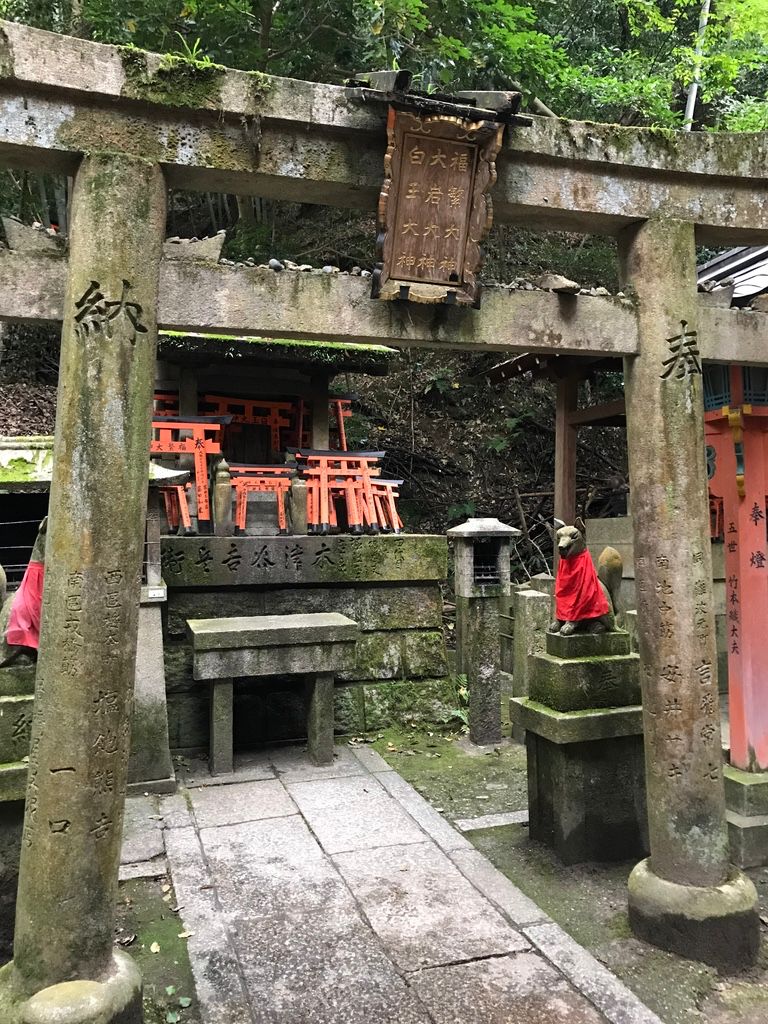
While primarily a Shinto shrine, it's located in the Fushimi area, which encompasses Fukakusa. The shrine is dedicated to Inari, the god of rice, and is famous for its thousands of vermilion torii gates.
Kyoto's Buddhist Heritage:
Kyoto as a whole is deeply connected to Buddhism, with numerous temples and shrines reflecting its rich religious history.
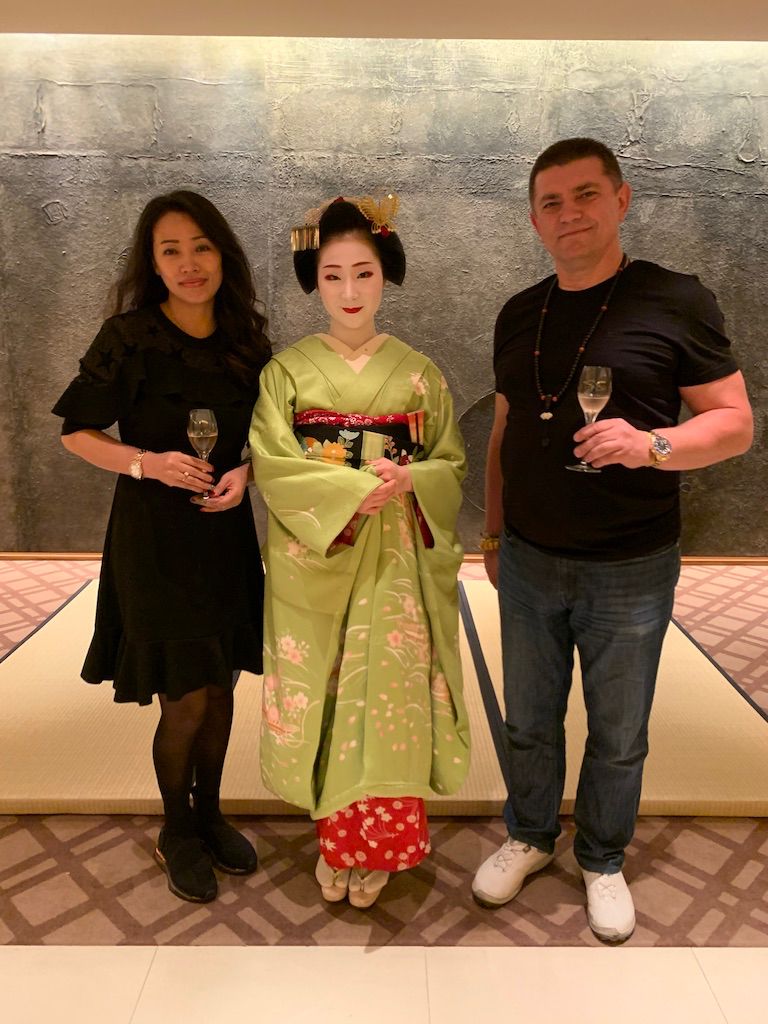
In Kyoto, there are dressing-up offices where tourists can choose traditional Japanese clothes. They help them dress up, apply makeup, and take photos. Such studios also have minibuses and take tourists to famous places such as the Fukakusa district, and tourists can walk around all day, look around, and take photos in traditional clothes at famous historical places. It was the same with us, the girls dressed up and learned how terribly uncomfortable this outfit was for Japanese women in the past. Nevertheless, they are beautiful to behold.